

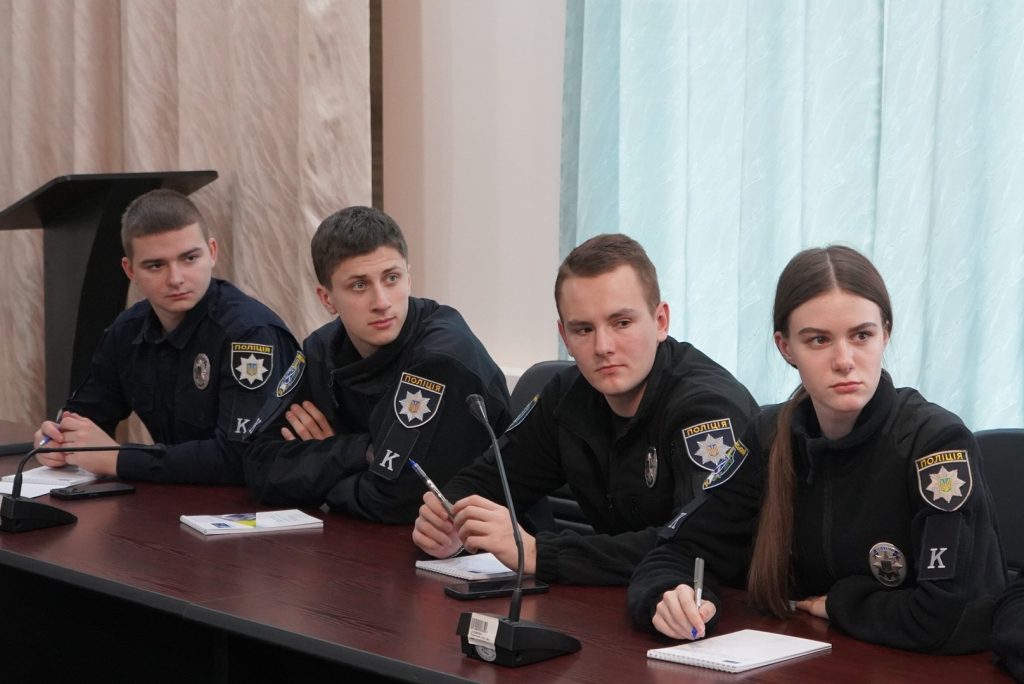
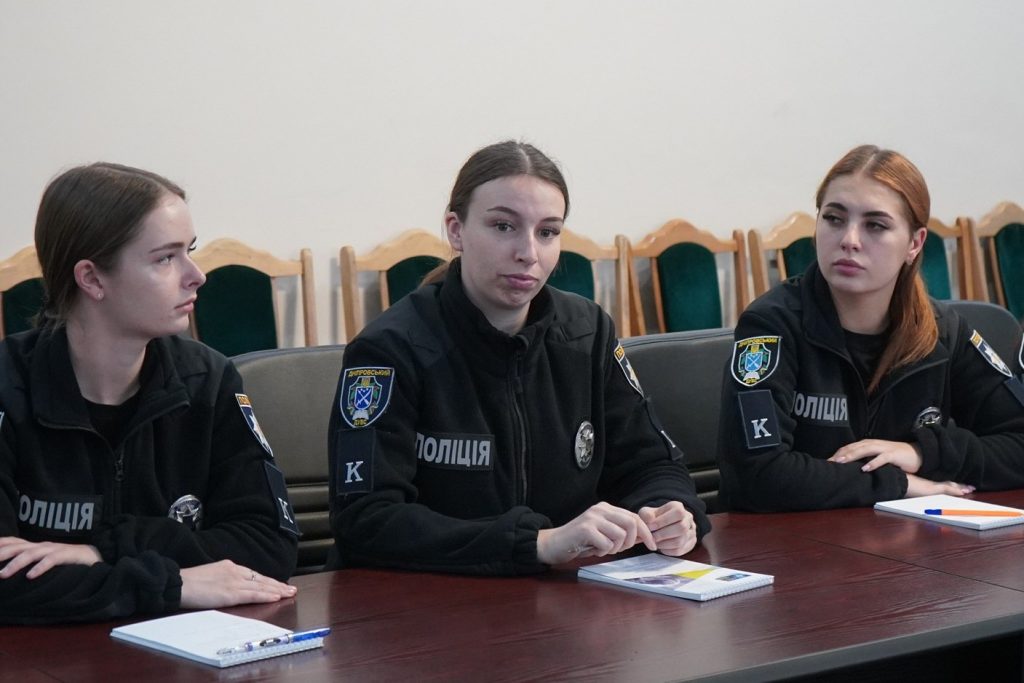
Cadets of the third year of the Institute of Training Specialists for Preventive Activity Units of the National Police took part in a binary class with the use of Community Policing skills that took place within the framework of the elective course “Community Safety in Conditions of Martial Law”.
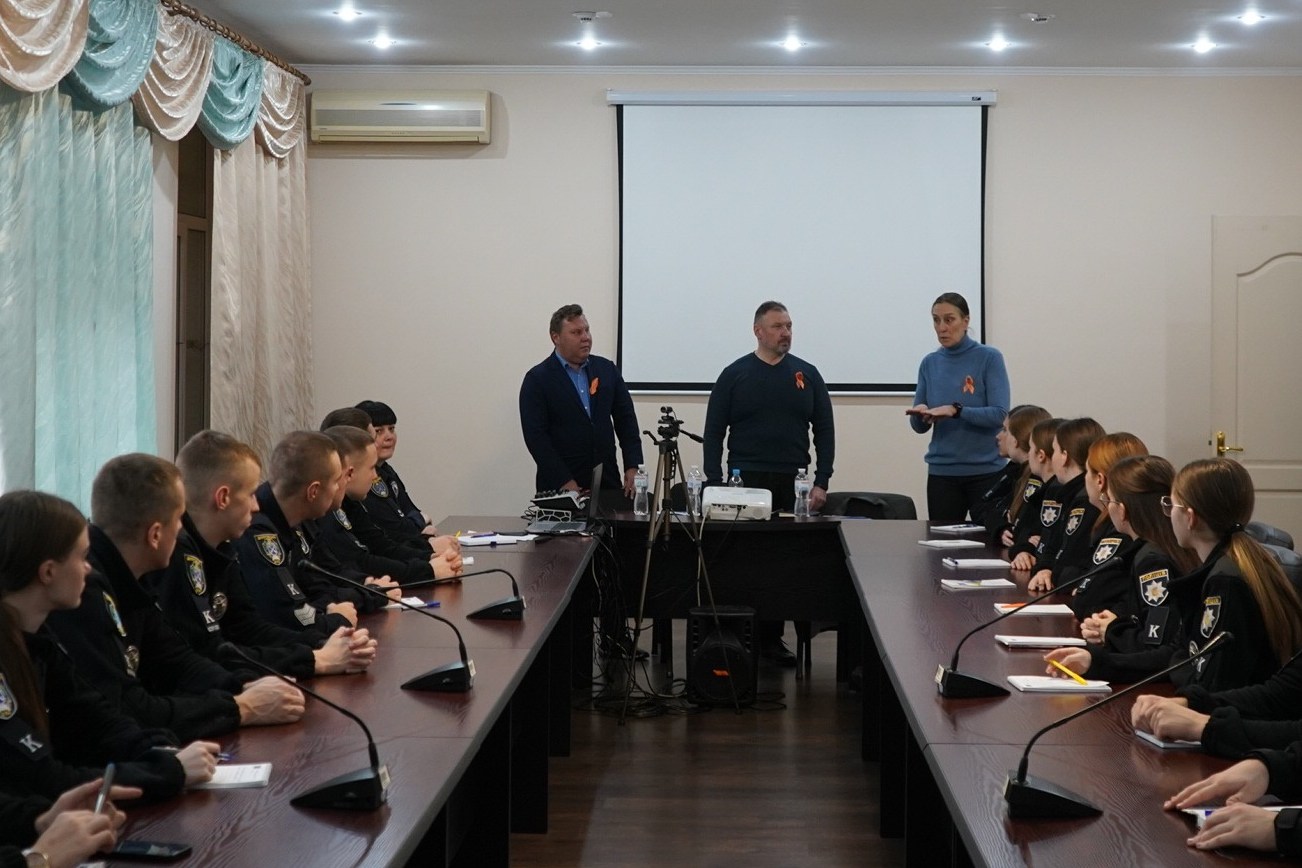
The event was organized by the international cooperation department of DSUIA. The binary interactive lecture of the head of the research laboratory of preventive activity and sociological research police major Iryna Drok on the topic “Introduction to Community-Level Dialogue” took place with the participation of EUAM advisor on police-community interaction Annika Svensson and senior EUAM advisor on general police activity Arsenijs Mihejevss.
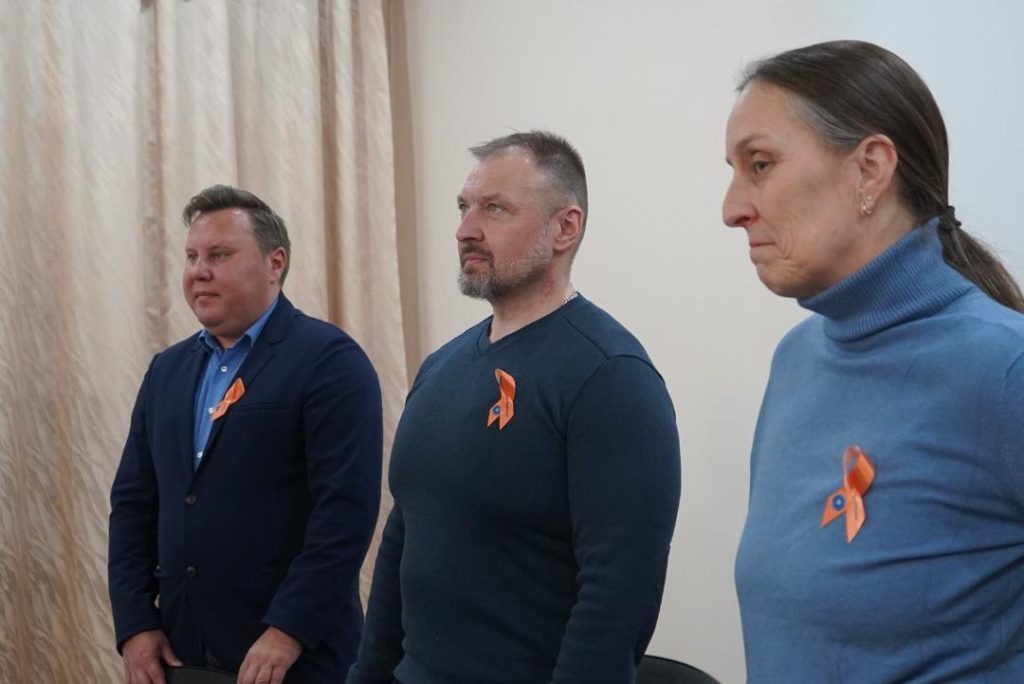
The class was conducted with the aim of forming skills of effective police-community interaction development of public trust and implementation of a partnership approach to ensuring public safety.
Cadets familiarized themselves with the basic principles of Community Policing in particular: orientation to community needs partnership between police and population joint problem-solving of security issues.
Annika Svensson who has many years of experience working in the Swedish police told about the activity of police officers in Swedish communities and differences from colleagues in Ukraine. She noted the need for communication with community representatives to analyze the needs of the local population and ways of taking them into account during the performance of official duties.
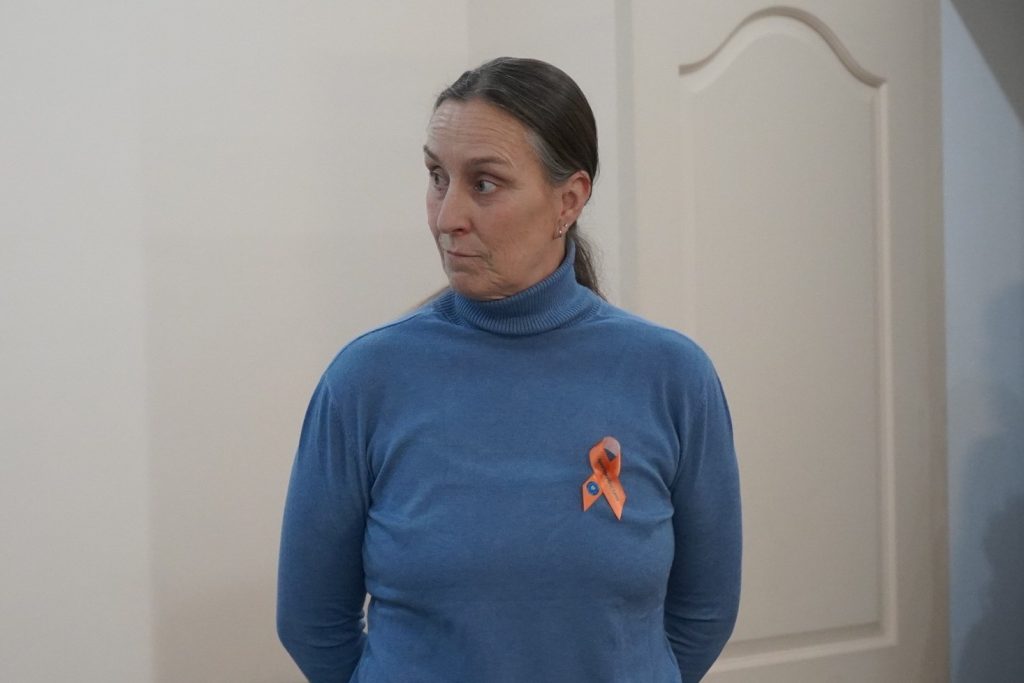
Arsenijs Mihejevss drew attention to the issues of conflict de-escalation in the community establishing constructive dialogue with various institutions in the community for making joint decisions using the example of the development of Community Policing in Latvia which has gone from a post-Soviet approach to police work to European standards.
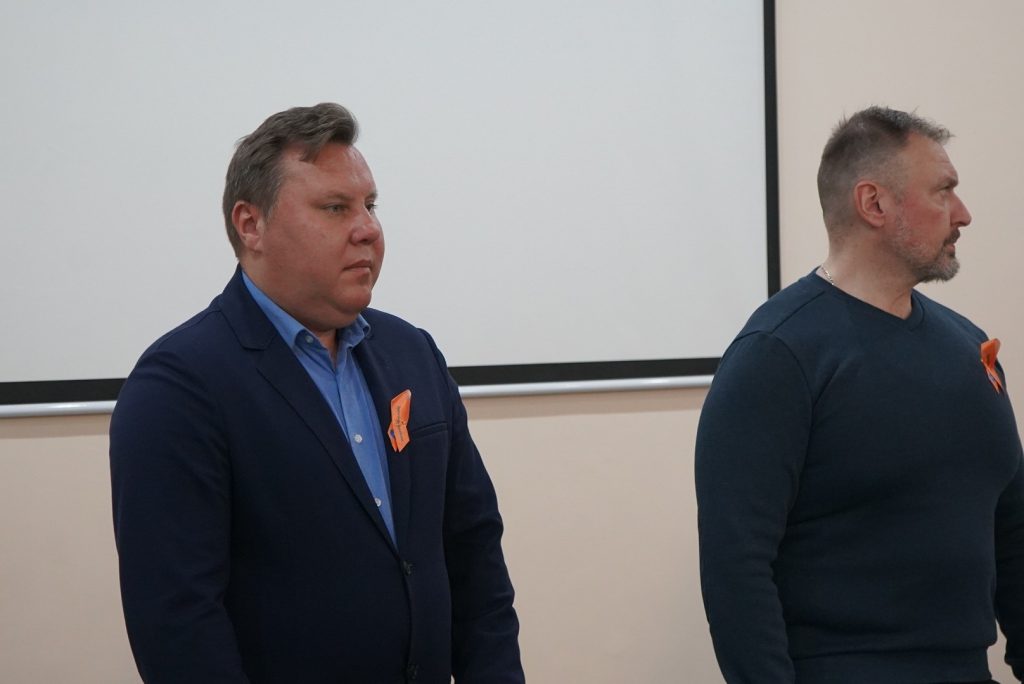
The interactive format of the lecture provided an opportunity to compare the implementation of the Community Policing model in Ukraine and the EU to determine the prospects for the development of the National Police of Ukraine in this direction.

As Iryna Drok noted the acquired knowledge and skills of solving individual situations considered during the lecture will contribute to increasing the professional readiness of future police officers to act in conditions of martial law to work openly and proactively as well as to develop sustainable partnership relations with communities which is a key prerequisite for an effective public safety system.
— 101