

The event became an important step in the development of the modern educational infrastructure of the higher education institution and in strengthening the training of specialists capable of effectively acting in conditions of digital threats that daily affect the security of the state, society and every person.
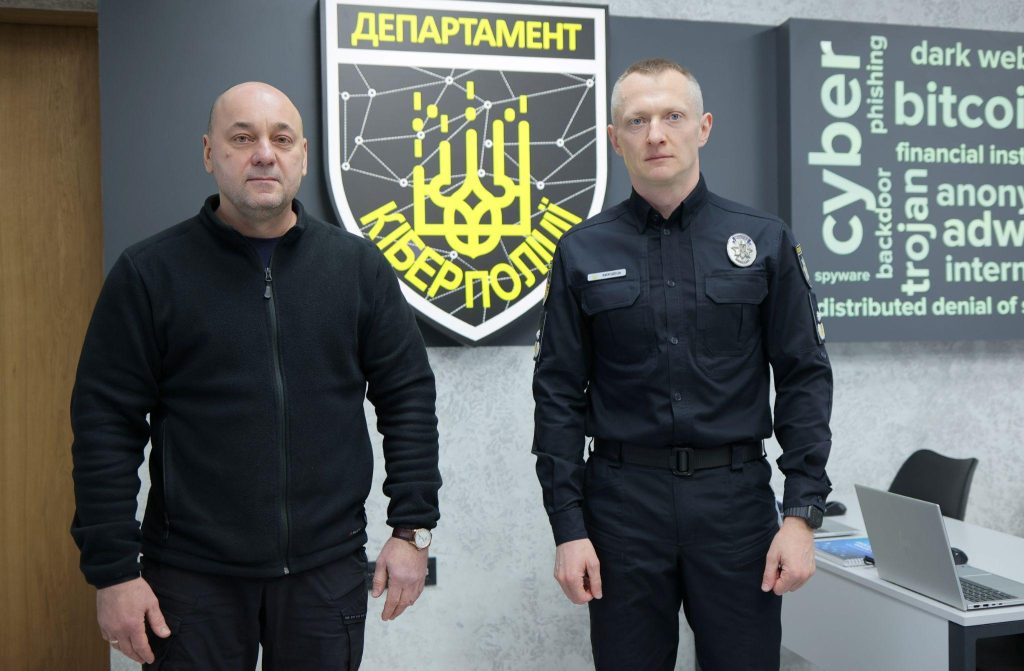
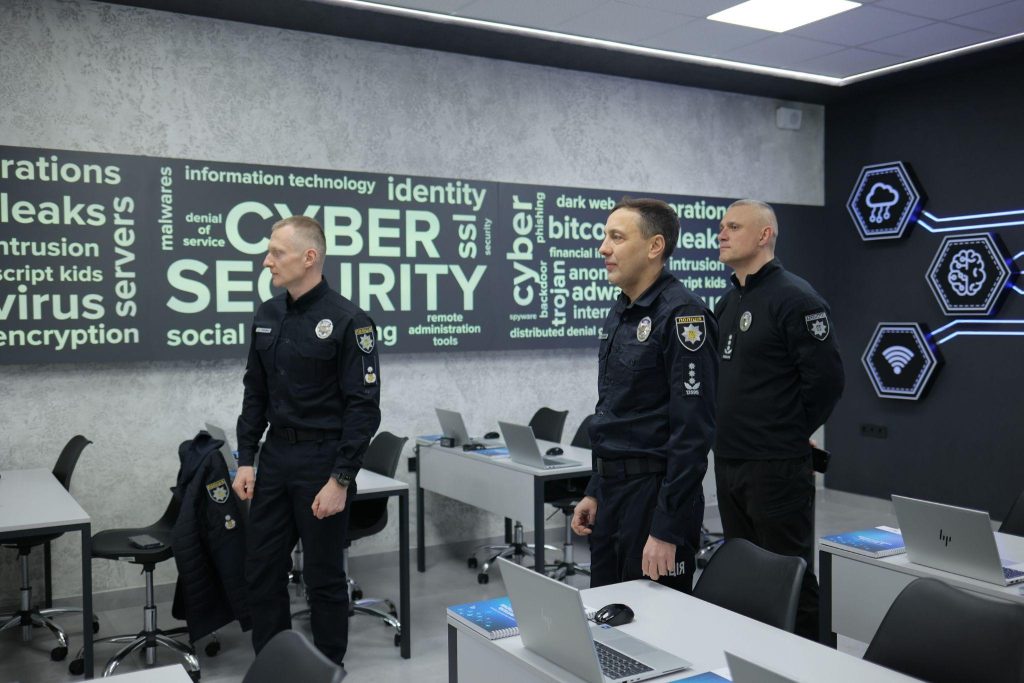
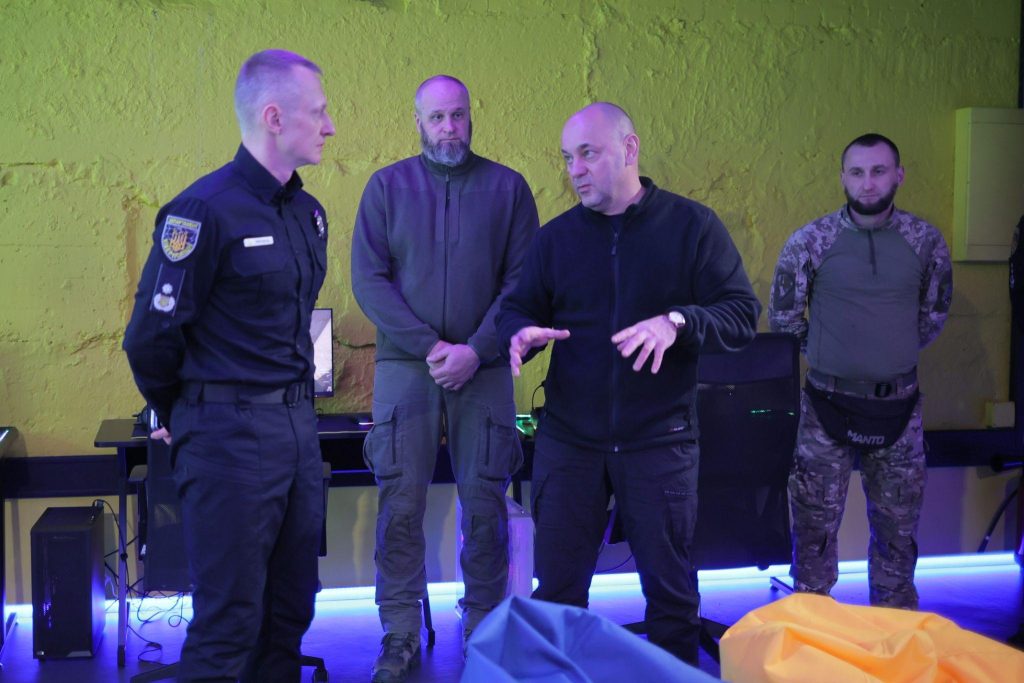
The presentation of the spaces was attended by the Head of the Cyber Police Department of the National Police of Ukraine, Police General of the Third Rank Yurii Vykhodets, the Head of the Cybercrime Counteraction Department in Dnipropetrovsk Oblast of the Cyber Police Department of the NPU, Police Colonel Ruslan Havryliuk, the Acting Rector of DSUIA Ihor Mahdalina, and representatives of the university’s leadership.
During the inspection of the locations, it was emphasized that the opening of such spaces forms a practical environment where cadets, students and lyceum pupils can not only receive theoretical knowledge, but also practice real scenarios: detection of cyberattacks, incident analysis, response to digital threats, protection of information systems, work with digital evidence and tools of cyber investigations. This strengthens the key advantage of modern education — learning through practice, which directly meets the demands of the law enforcement system and the labor market.
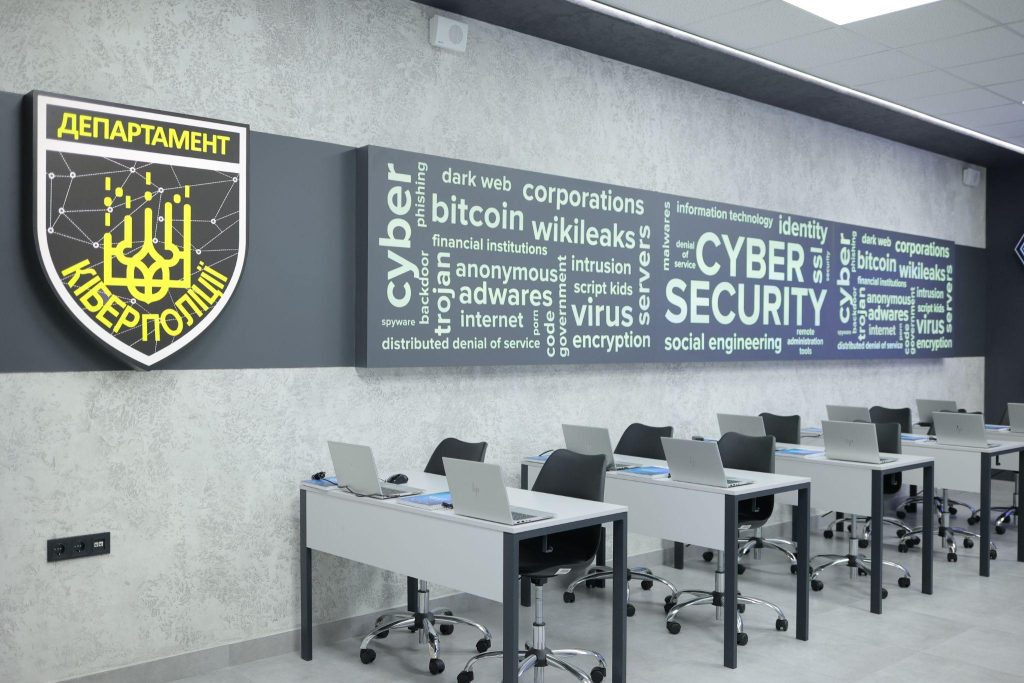

For cadets and students of DSUIA, these spaces open opportunities for the development of applied competencies, in particular in the fields of cybersecurity, digital forensics, OSINT analysis and countering online fraud. For lyceum pupils — this is a motivational platform that demonstrates that the future of state security is formed not only in the physical space, but also in the digital one, where speed of response, accuracy of analysis and technological literacy become decisive. Representatives of the university’s veteran community are also actively involved in preparation for all-Ukrainian level cyber competitions.
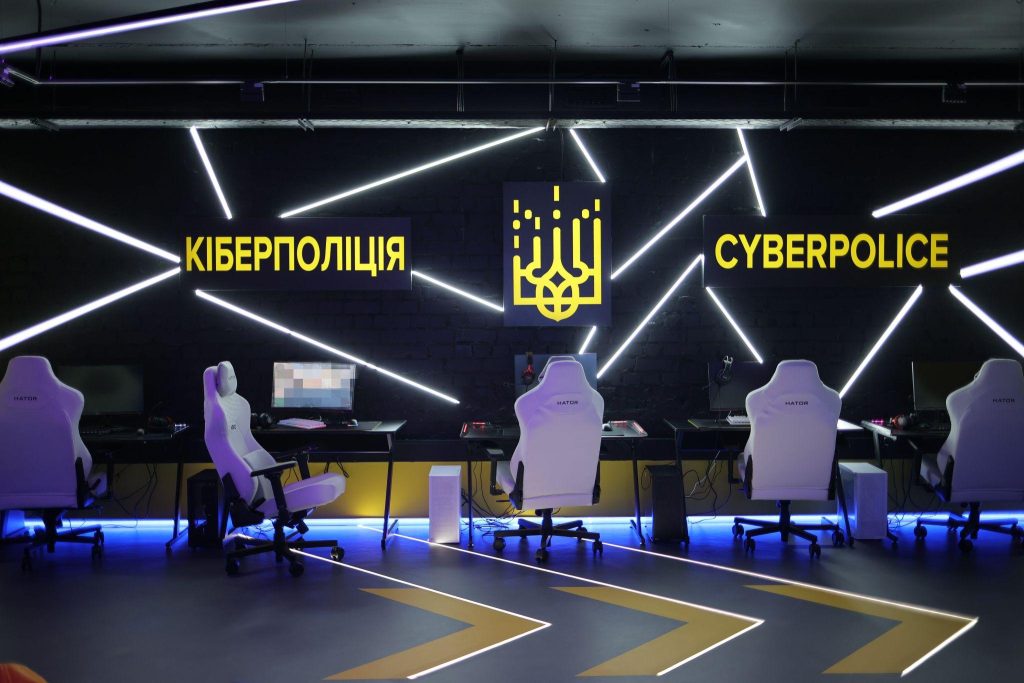

It is especially symbolic that the development of the cyber direction at DSUIA is taking place in parallel with the opening of the specialty “Computer Sciences” from 2025. The new cyber spaces logically reinforce this educational trajectory: they create conditions for training specialists capable of working at the intersection of IT, analytics and security, as well as forming critically important competencies for the modern state — from the development of protection systems to risk modeling and countering digital attacks.
— 144