

The classes were conducted with the aim of enhancing the professional competence and legal awareness of future and current police officers.
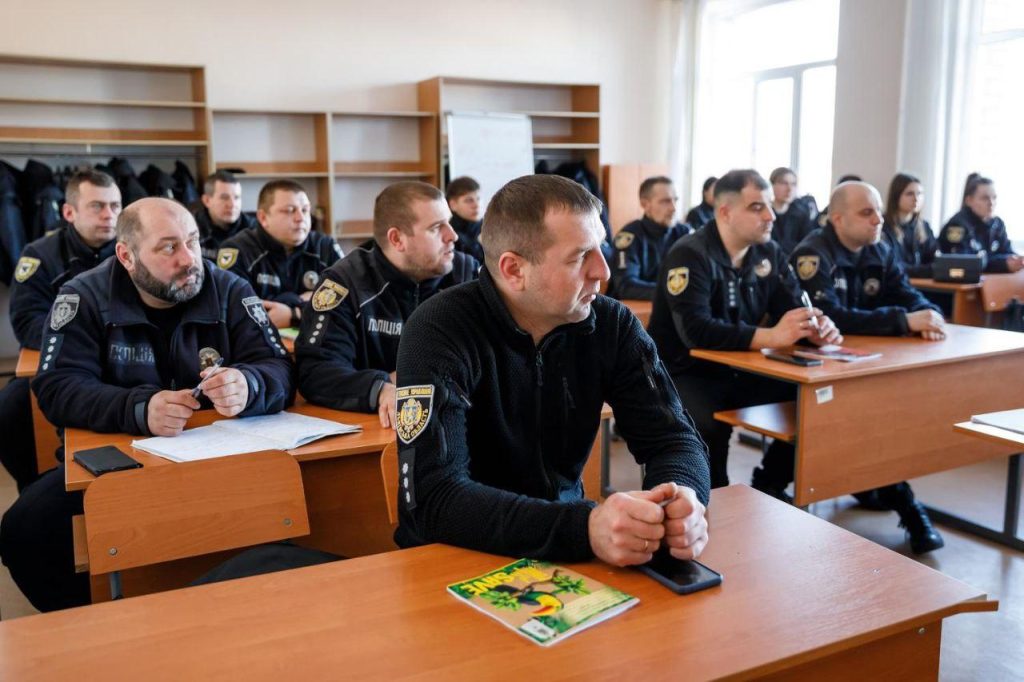
The organizer of the event was Mykola Repan, Senior Lecturer of the Department of Administrative Law and Procedure of DSUIA.
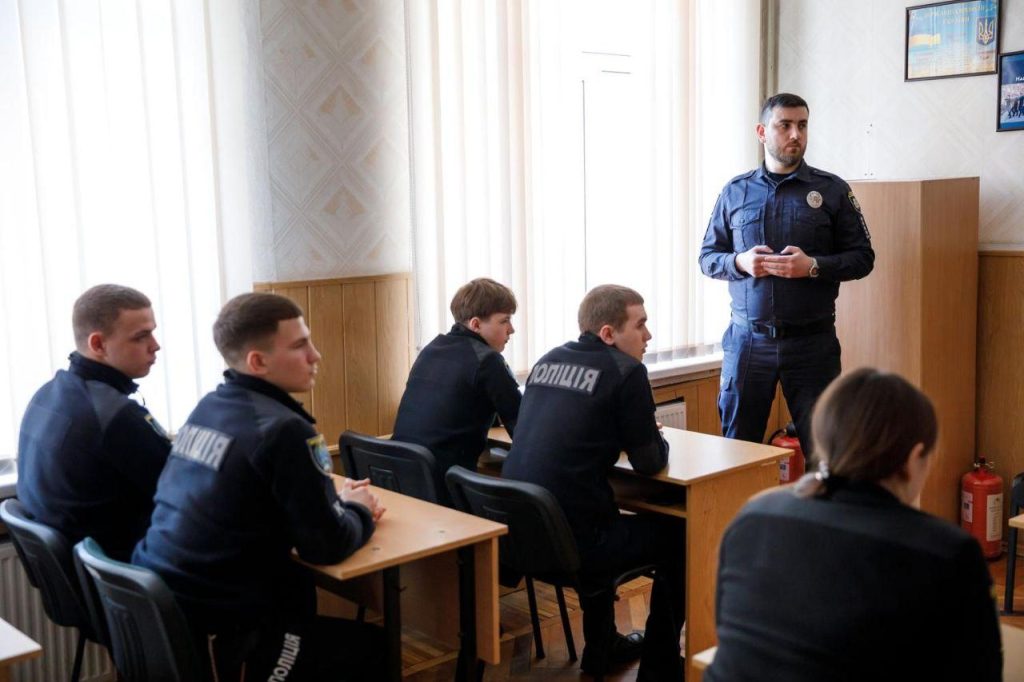
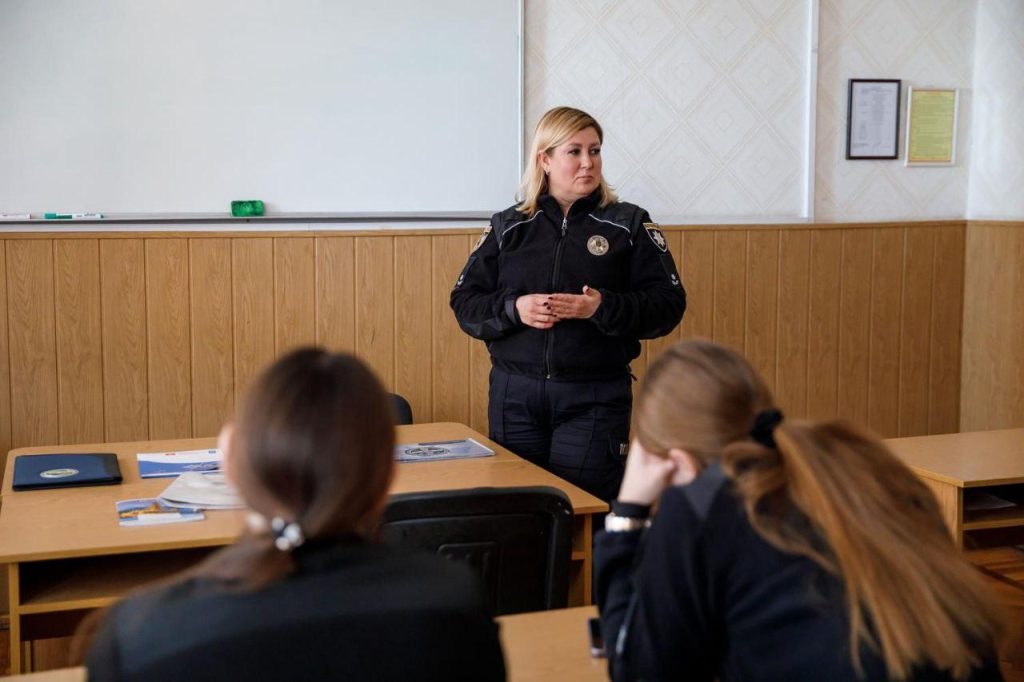
The speakers were Nataliia Urman, representative of the Department of the Main Inspectorate and Human Rights Compliance of the National Police of Ukraine, Police Major, and Maksym Tsesko, representative of the Department for Organizing the Activities of Temporary Detention Facilities and Monitoring Actions with Detainees, Police Captain.
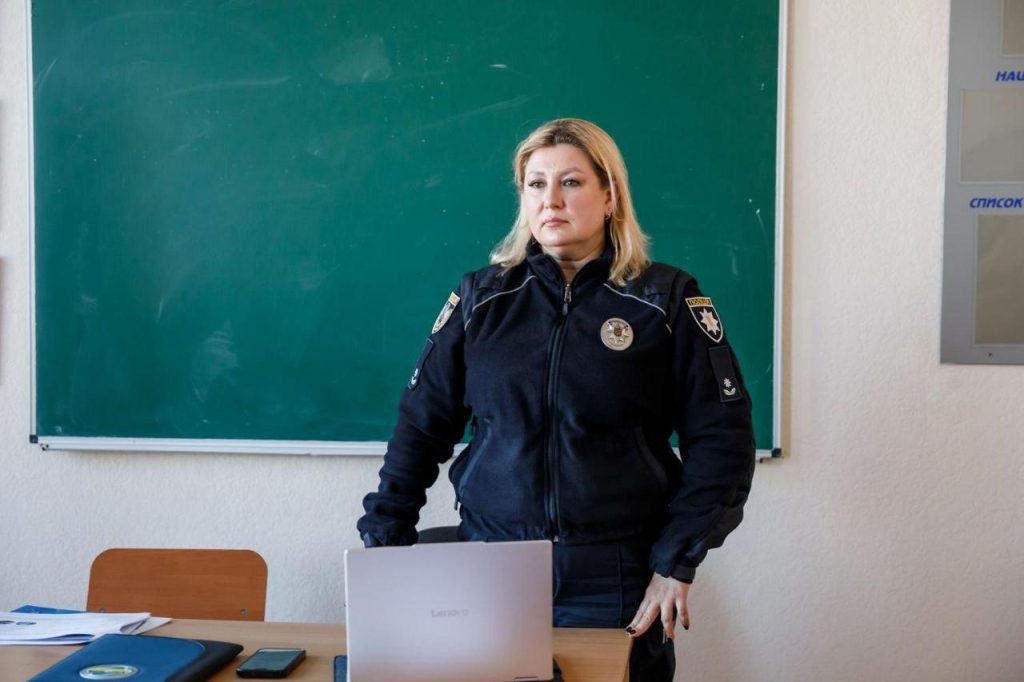
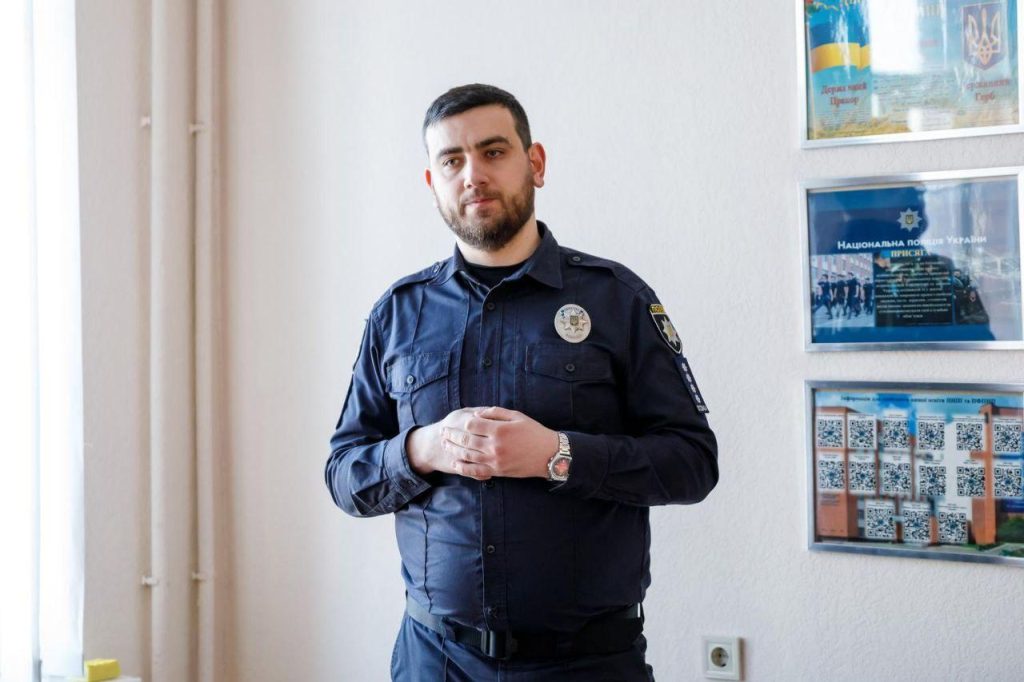
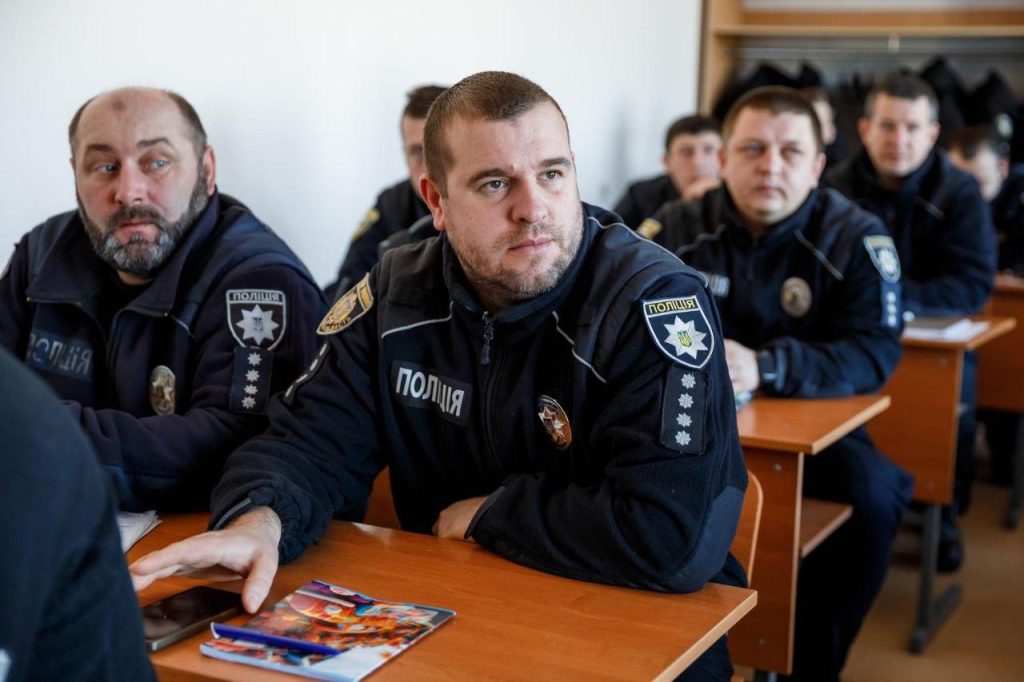
The invited speakers conducted trainings for district police officers undergoing specialization at the Division for Organization of Advanced Training and Specialization of the Institute of Postgraduate Education and Distance Learning of DSUIA, as well as for second-year cadets of the Faculty for Training Specialists for Criminal Police Units of the National Police of Ukraine.
Special attention was paid to the strict observance of human rights in the daily activities of the police. Participants analyzed real cases and algorithms of law enforcement actions within the criminal process, relying on international standards for the protection of human rights and freedoms.
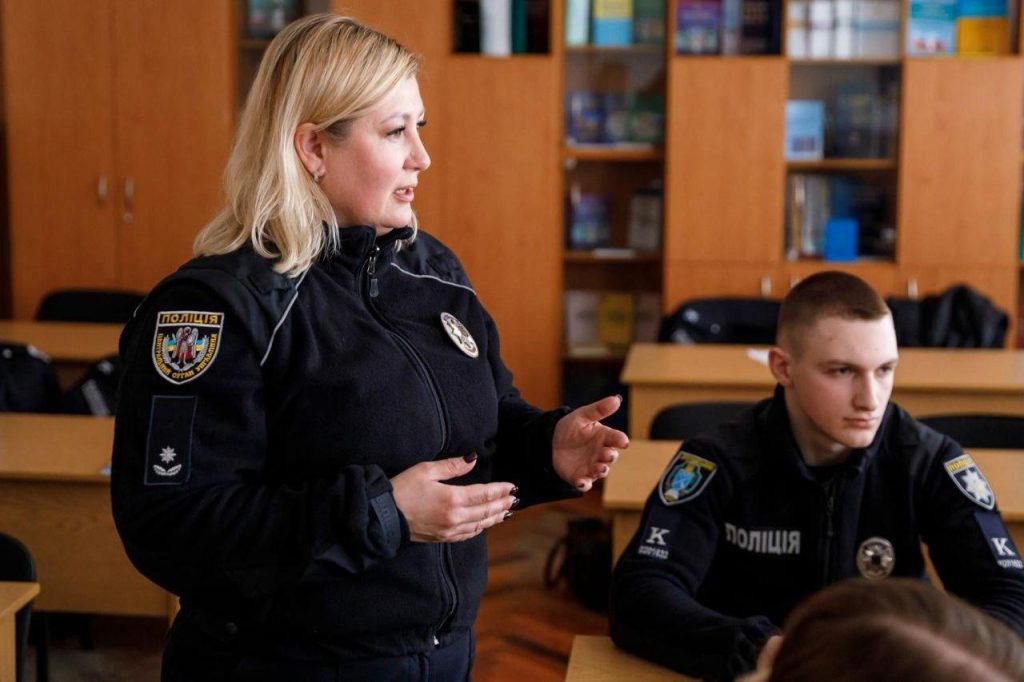
A separate block addressed the latest technologies, in particular the Custody Records system — an innovative model of automated recording of all actions involving detainees. It ensures protection both for detainees (guarantee of safety and prevention of ill-treatment) and for police officers (reliable protection against unfounded accusations due to a complete digital history of interactions).
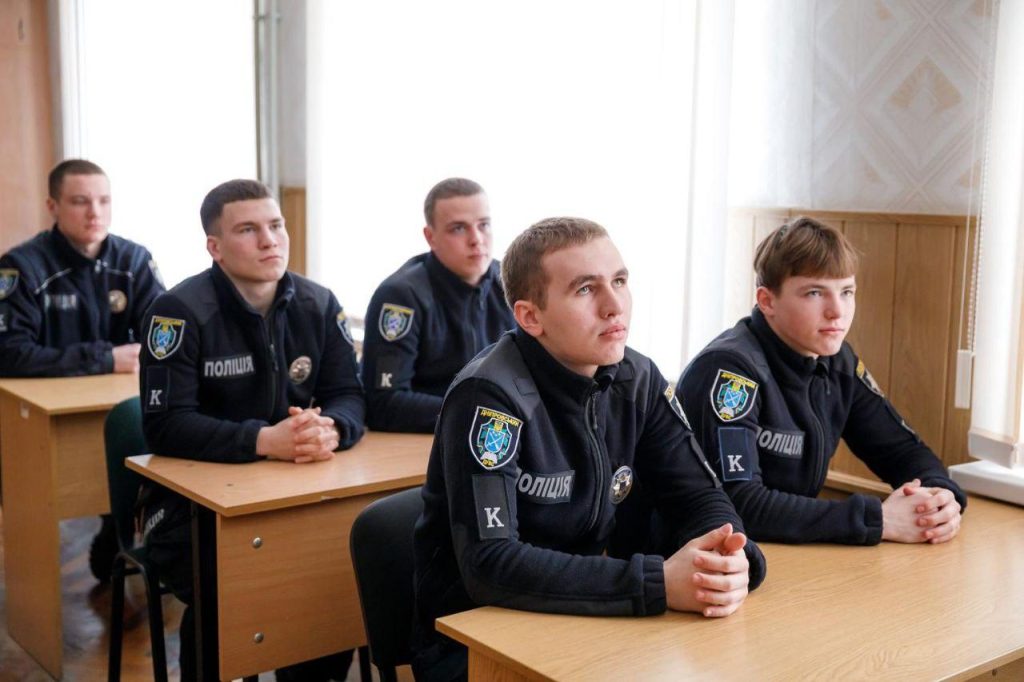
Future and current law enforcement officers also received practical tools for tolerant communication: conflict de-escalation techniques, rules of ethical communication with veterans, victims, and vulnerable groups of the population. The ability to conduct constructive dialogue is not only a professional skill but also a guarantee of public trust in the police.
In addition, the class discussed issues of gender equality and the creation of a barrier-free environment. The speakers emphasized the importance of ensuring equal opportunities for women and men in the ranks of the National Police of Ukraine and developing “mental accessibility” — readiness to provide quality assistance to persons with disabilities.
The organizers are convinced that such classes allow cadets to gain experience directly from practitioners, and enable current officers to stay updated on relevant changes in legislation, international standards, and ethical principles of police activity.
— 91