

The events were aimed at combining theoretical provisions regarding constitutional human rights and freedoms with practical aspects of their ensuring in the official activities of law enforcement officers.
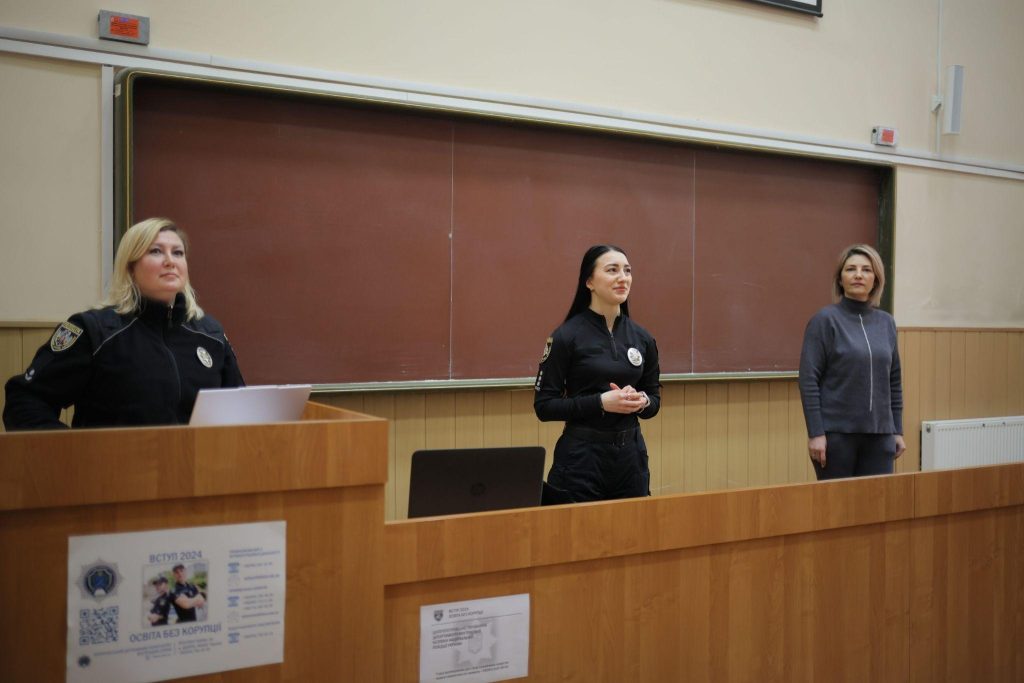
Lecture classes were conducted within the framework of mastering by 1st-year students of the specialty “Law Enforcement Activity” of the Educational and Scientific Institute of Law and Innovative Education of DSUIA the disciplines “Constitutional Law” and “Deontological Foundations of Law Enforcement Activity”.
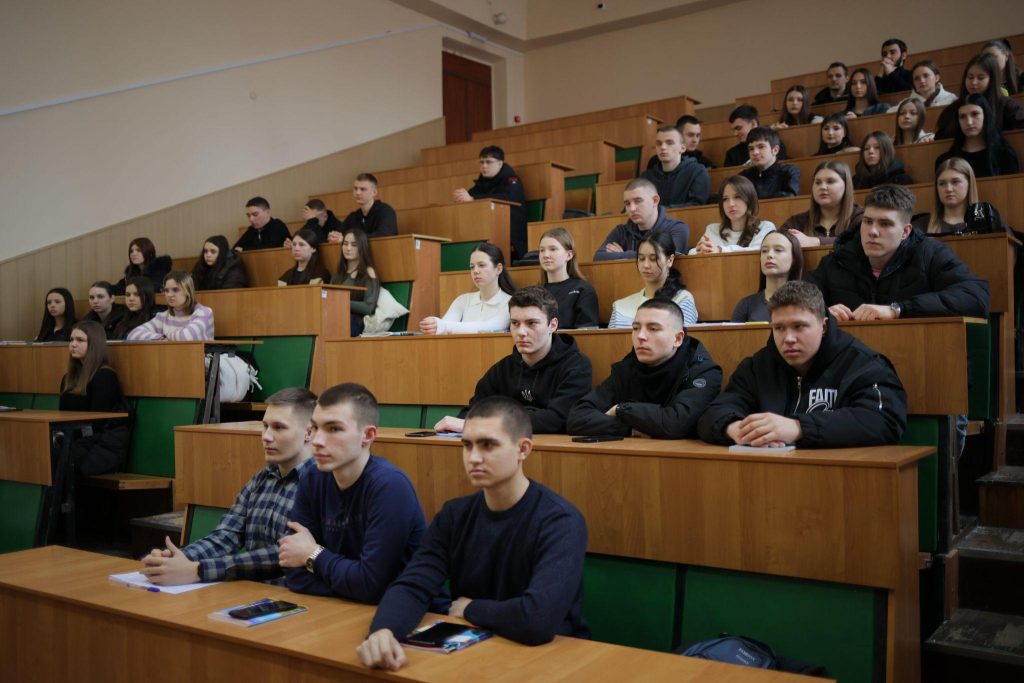
The initiators and organizers of the events were the Head of the Department of Theory of State and Law of the Educational and Scientific Institute of Law and Innovative Education Olha Kulinich and Senior Lecturer of the Department Daria Lavrenko.
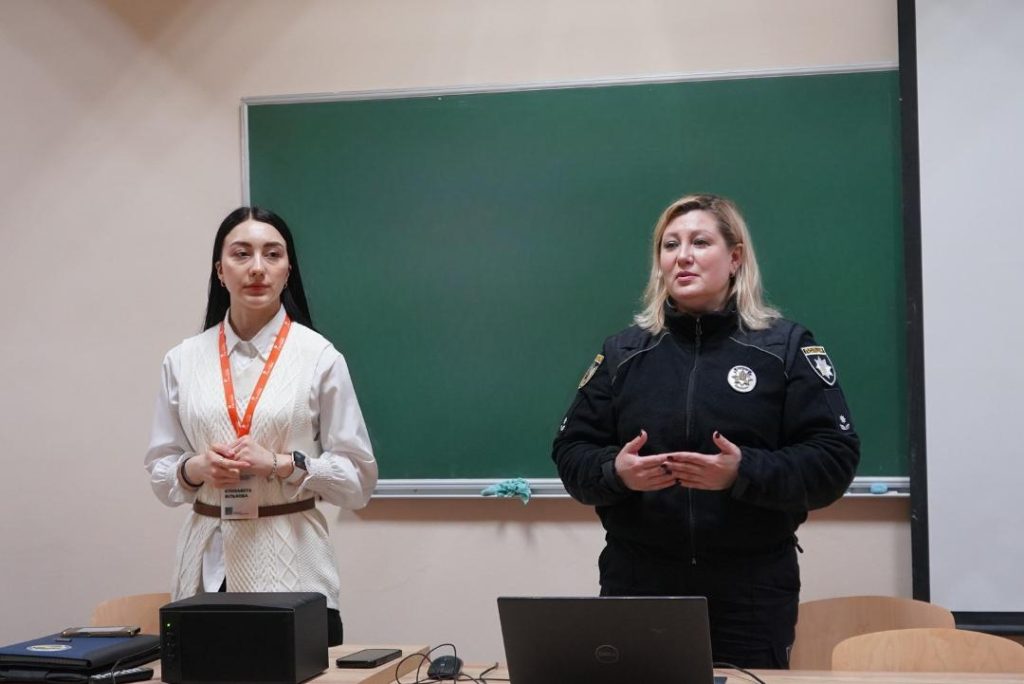
Invited speakers were Police Major Nataliia Urman — Senior Inspector for Special Assignments of the Department of Authorized Persons for Control over Observance of Human Rights in Police Activities (with location in Dnipropetrovsk Oblast) of the Department for Observance of Human Rights of the Main Inspectorate and Observance of Human Rights of the NPU, as well as Police Senior Lieutenant Yelyzaveta Vilkhova — Senior Inspector of the Organizational-Analytical Department of the Organizational-Analytical Support and Operational Response Department of the Main Directorate of the National Police in Dnipropetrovsk Oblast.
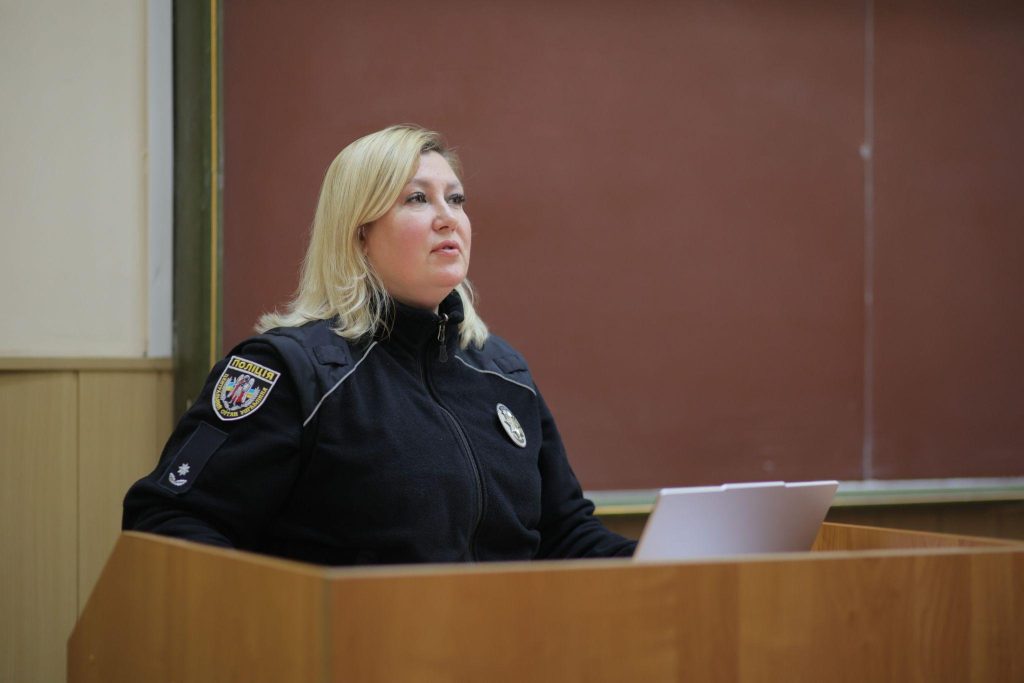
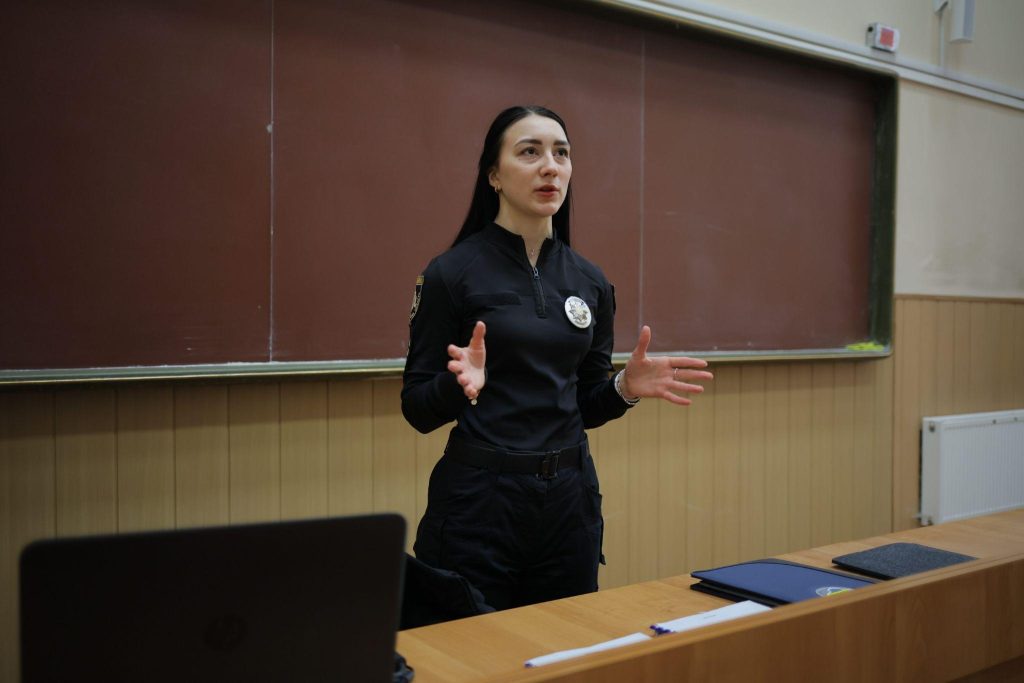
During the meetings, current issues of overcoming gender stereotypes, countering gender-based violence, ensuring gender equality and implementing the principles of barrier-free environment in the activities of law enforcement agencies were considered. The speakers shared practical experience in responding to cases of domestic and gender-based violence, outlined action algorithms in complex situations and drew attention to the importance of complying with human rights standards during interaction with citizens.
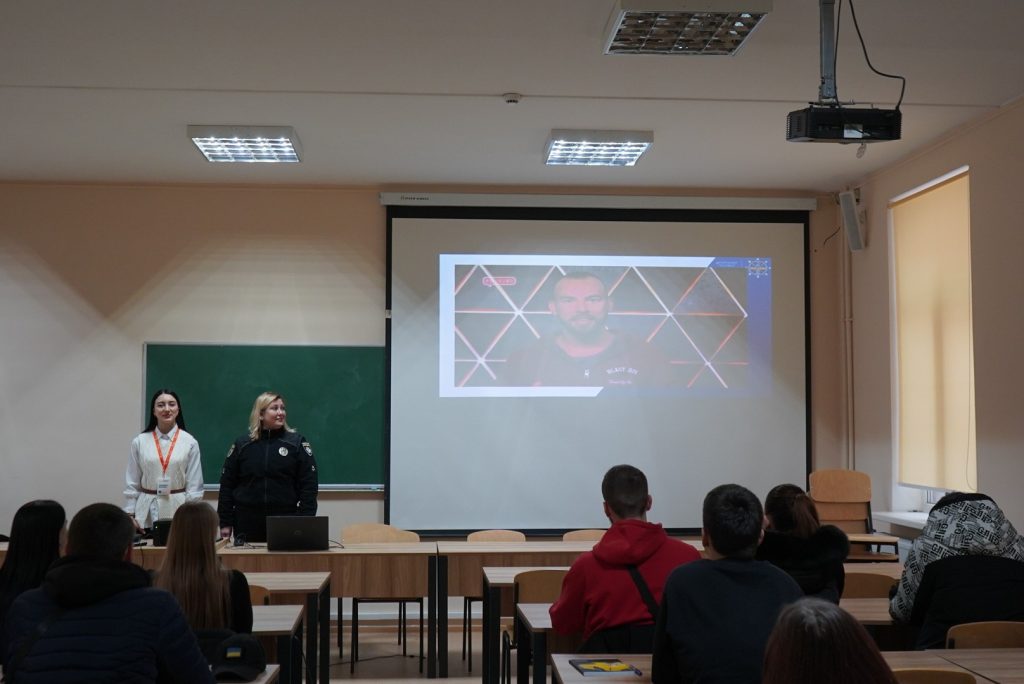
Particular attention was paid to the formation in students of professional thinking based on the principles of the rule of law, respect for human dignity, non-discrimination and gender equality.
A separate block of classes had a practical orientation: students performed training exercises, analyzed modeled situations, solved cases regarding the detection of signs of discrimination and violation of human rights. This format of work contributed to the active involvement of higher education applicants in discussion, development of critical thinking and formation of skills for making professionally balanced decisions.
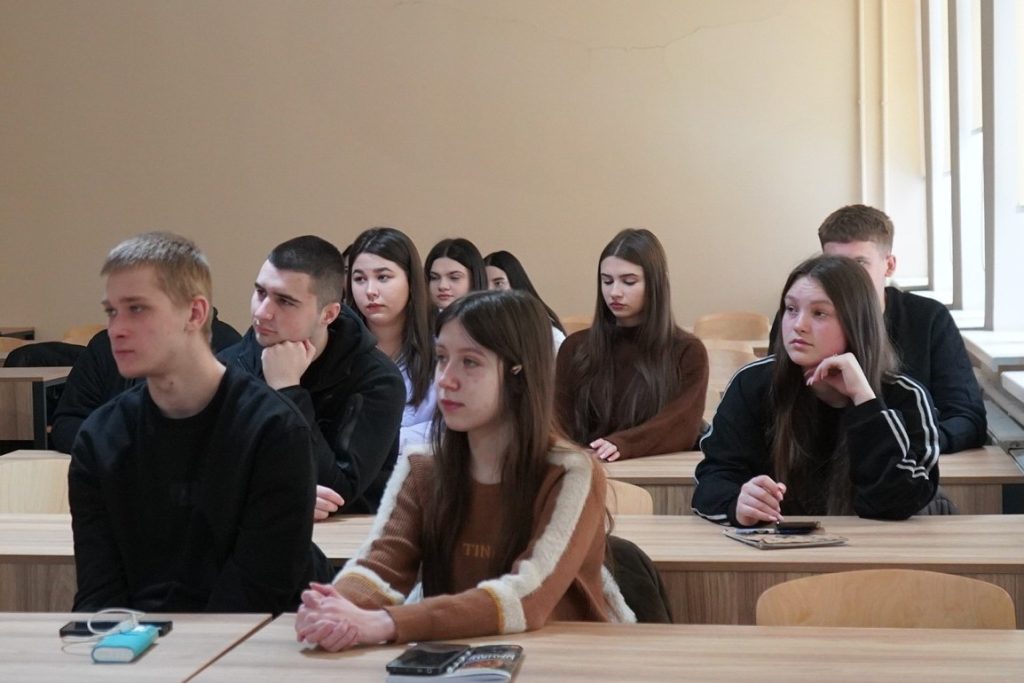
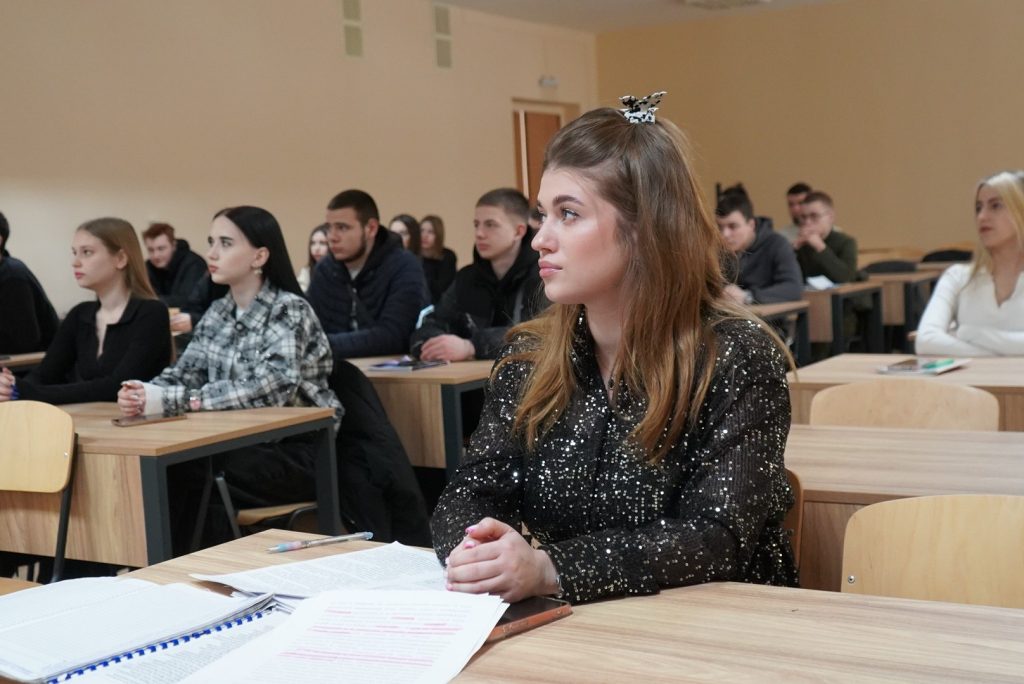
The meetings became an important stage in the professional training of future law enforcement officers, contributed to deepening awareness of mechanisms for ensuring human rights, formation of gender sensitivity and awareness of the role of the police in creating a safe and inclusive environment for all members of society.
— 86