

At the Dnipro State University of Internal Affairs, the implementation of the planned stage of training of cadets within the framework of the international educational project Erasmus+ “Simulation Medicine and Scenario-based Learning for Providing Emergency Medical Aid” (SimS) has been completed.
During the period from February 03 to March 28, 2025, at the Center for Pre-medical Aid of the University, optional classes were organized and conducted for 55 cadets of the third year of the Faculty of Training Specialists for Pre-trial Investigation Bodies of the National Police of Ukraine. The classes were conducted according to scenarios previously developed in accordance with the requirements of the project.
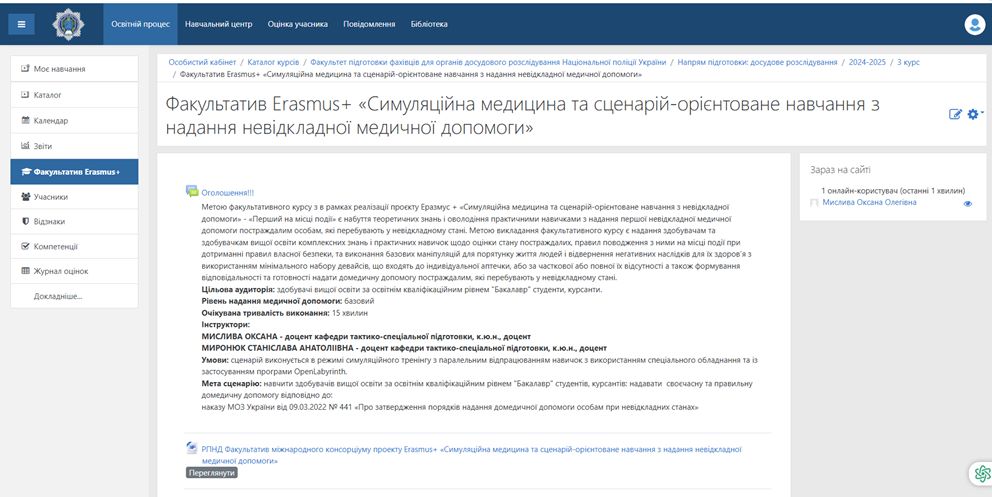
The training program included remote independent study of the regulatory and legal framework on providing pre-medical aid to victims at the scene and completion of training scenarios on the MIA-Education educational platform, with links to interactive cases of the Open Labyrinths platform.
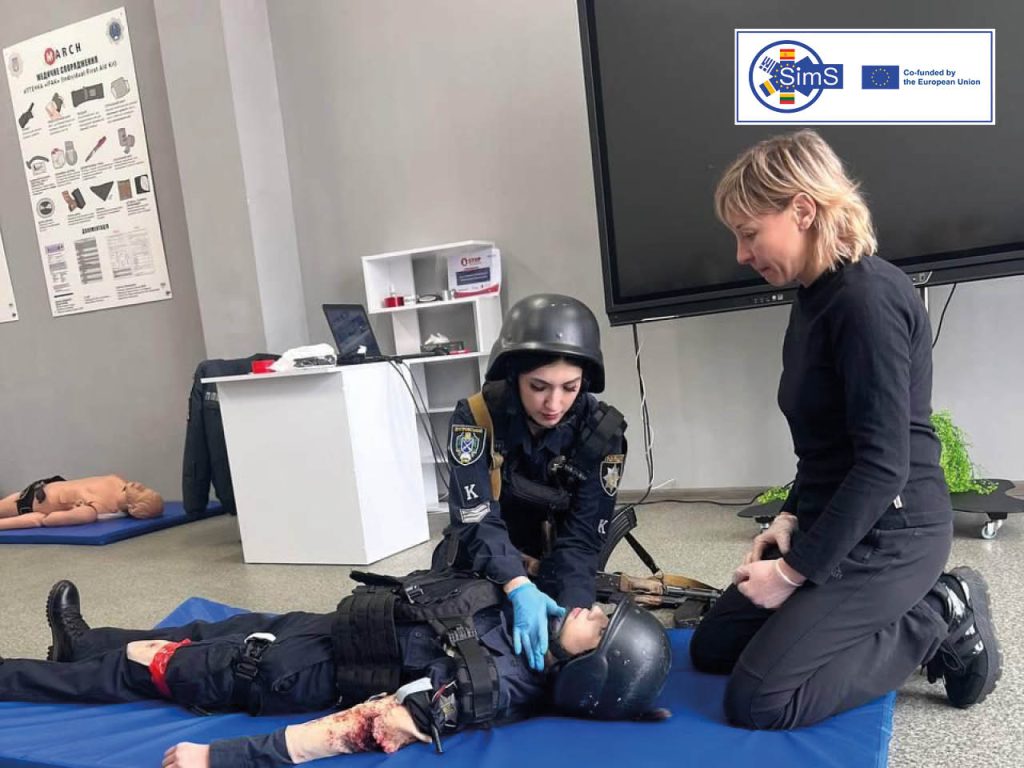
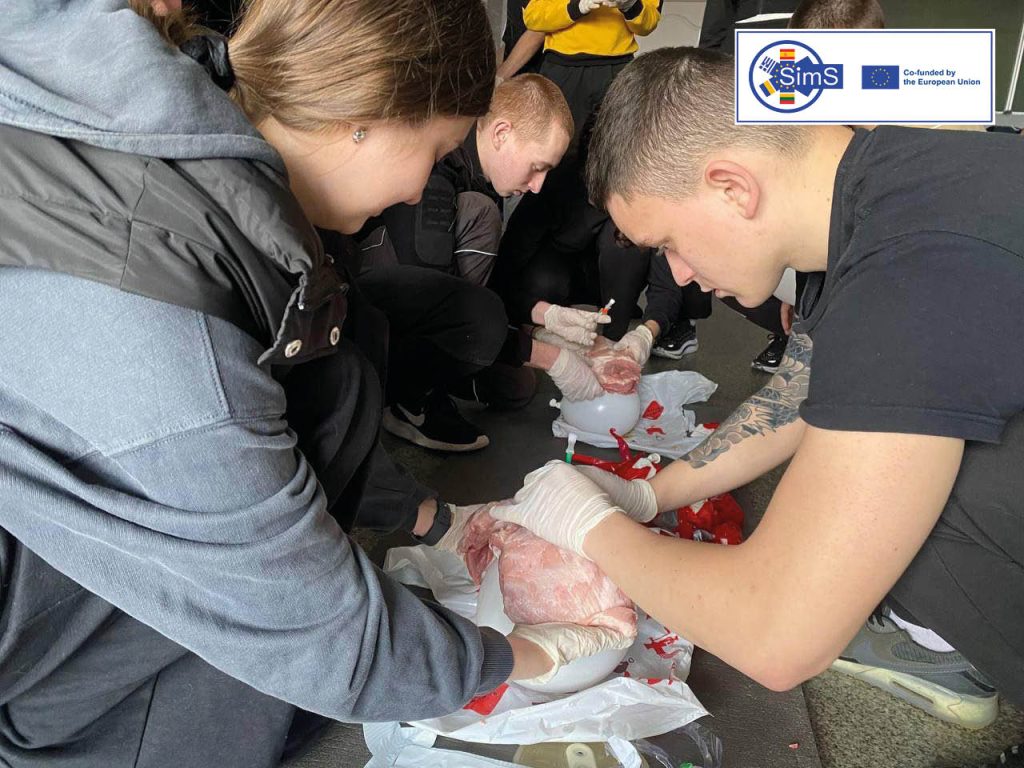
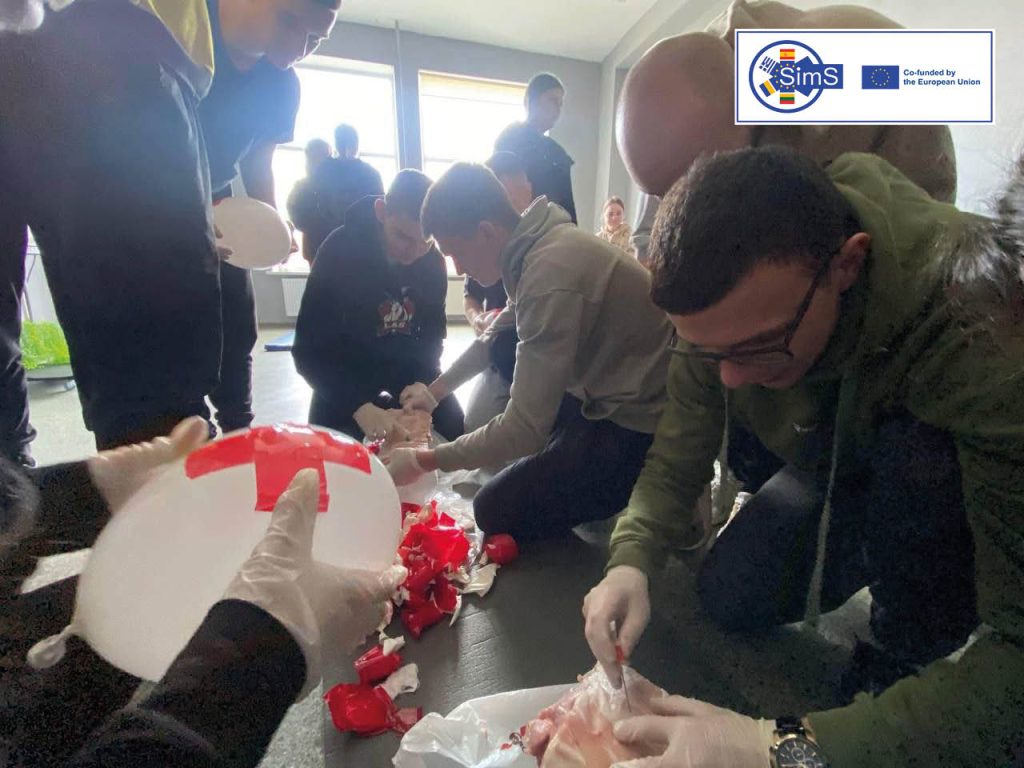
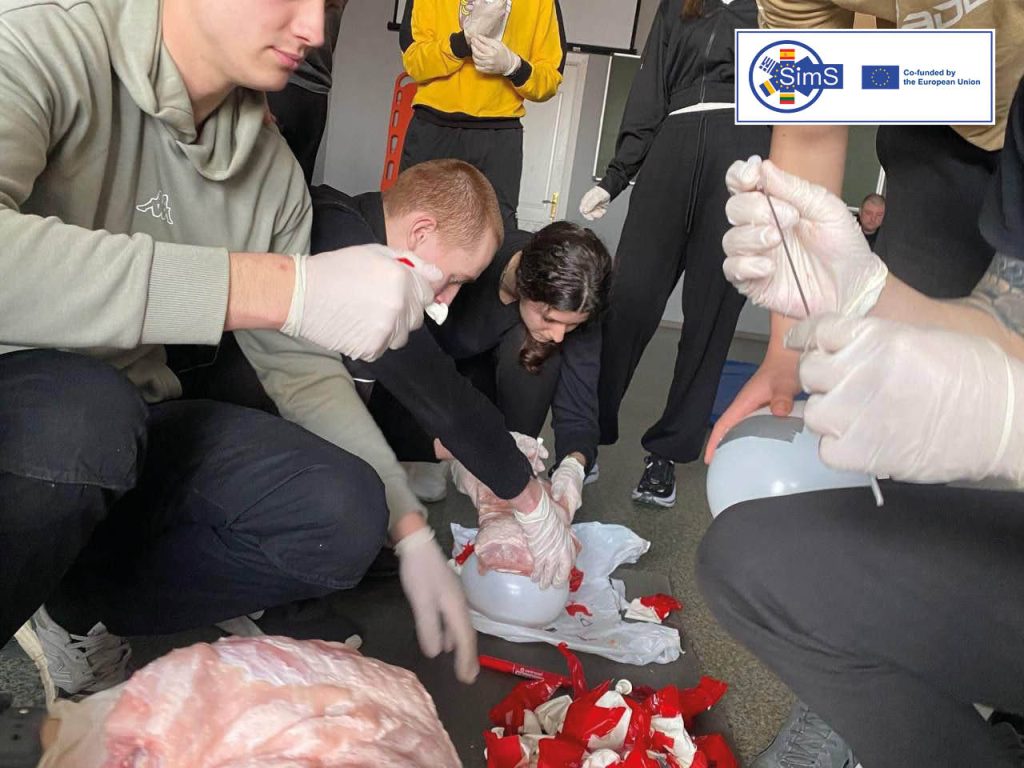
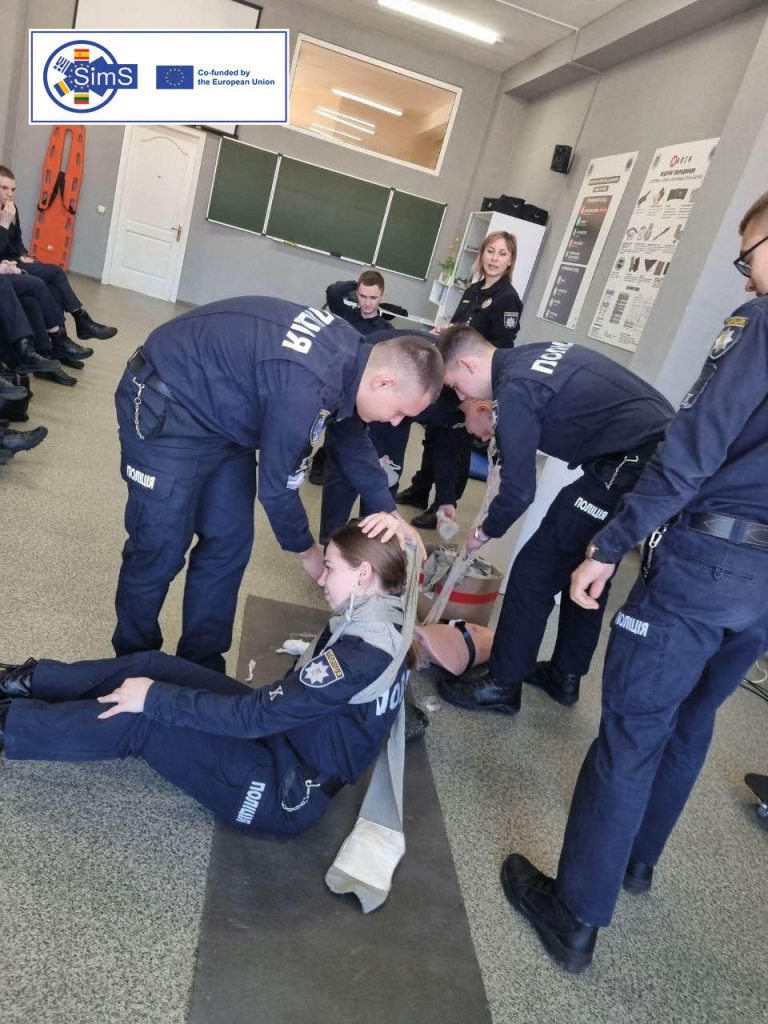
Practical training in practicing algorithms for providing pre-medical aid in the category “First on the Scene” was carried out in conditions as close as possible to real ones, in a specialized classroom using appropriate equipment purchased with the financial support of the SimS Erasmus+ project. The participants had the opportunity to demonstrate the acquired theoretical knowledge and gain practical skills in rapid response to various emergency situations that require pre-medical aid, including elements of psychological support under the guidance of instructors.
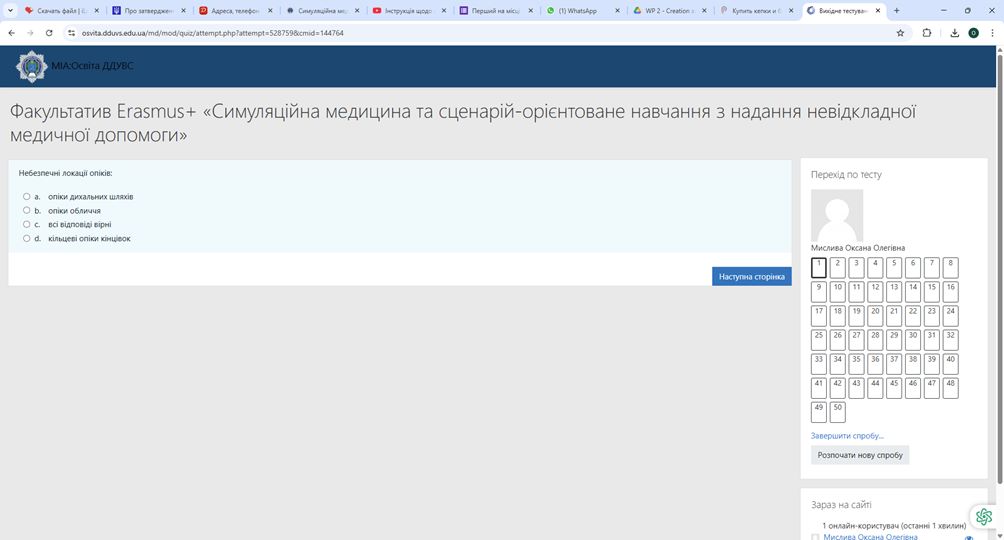
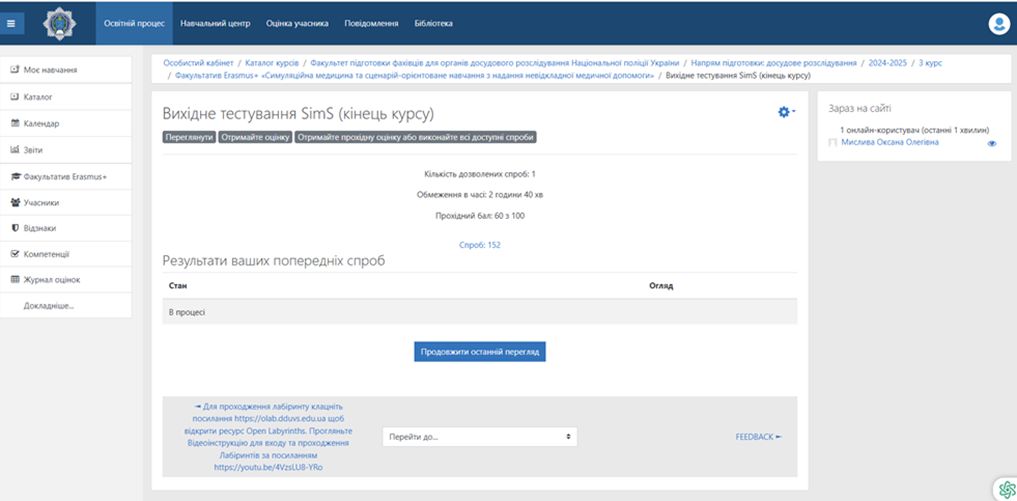
Under the conditions of the project approbation, testing was conducted to analyze the effectiveness of the educational process. The main task was to determine the level of compliance of the obtained results with the established learning objectives, which involved the assimilation by higher education seekers of theoretical material regarding the algorithms for providing pre-medical aid by police officers to victims at the scene and achieving the necessary level of training by them, in particular, the formation of stable practical skills aimed at preserving the lives of victims and providing them with psychological support. The assessment was carried out in the form of entrance and final testing, each of which included 50 random questions. One attempt was given to pass the test, the maximum number of points was 100 (2 points for each question), and the passing score was 60, which corresponded to 60% of correct answers.
The analysis of the quality of assimilation of educational material, carried out based on the results of cadets passing scenarios on the Open Labyrinths platform, demonstrated the following indicators: in the first group, which consisted of 26 people, all higher education seekers at both the entrance and final stages of testing demonstrated results that did not fall below the passing level. In particular, at the beginning of training, 6 people (23%) reached the basic level (60–69 points), 15 people (58%) — the average level (70–79 points), and 5 people (19%) — the above-average level (80–89 points). After completing the course, only one person (4%) remained at the basic level, while 12 people (46%) retained the average level, and another 12 people (46%) rose to the above-average level. The overall quality indicator of training in the group increased from 76% to 92%.
In the second group, which at the time of the entrance test consisted of 27 people, only 12% of higher education seekers were able to score a passing score, while 88% had an extremely low level of training. At the same time, the results of the final test, in which 29 people already participated, indicate a significant increase in the level of knowledge. After completing the training course, 2 people (7%) had a low level (50–59 points), 7 people (24%) — a basic level (60–69 points), 14 people (48%) — an average level (70–79 points), 5 people (17%) — above average (80–89 points), and one person (3%) reached a high level (over 90 points).
The obtained results confirm the high effectiveness of the scenario-oriented learning methodology using digital tools of the Open Labyrinths platform, which ensured a significant increase in the quality of assimilation of educational material and the level of practical training of cadets.
In addition, within the framework of the project implementation, feedback collection from higher education seekers regarding the level of their satisfaction with the optional course and the effectiveness of the proposed form of training is provided. The conducted survey will allow assessing the subjective perception of the quality of the educational process from the side of cadets, the degree of their involvement, motivation, as well as the level of practical usefulness of the acquired knowledge and skills. The results indicate a high interest of cadets in completing similar educational modules in the future, a positive perception of the interactive form of training built on simulation scenarios, as well as recognition of the importance of the practical orientation of classes for further professional activity in real service situations. The obtained feedback will be taken into account to improve the structure and content of similar programs, and will also serve as an additional argument in favor of implementing a scenario-oriented approach to the training of future specialists in the law enforcement sphere.
— 657