

The meetings were organized by the Department of Psychological Support of the Dnipro State University of Internal Affairs. Within the framework of the implementation of the All-Ukrainian Mental Health Program «Are You Okay?» and the implementation of the MIA project «Point of Psychological Practices».
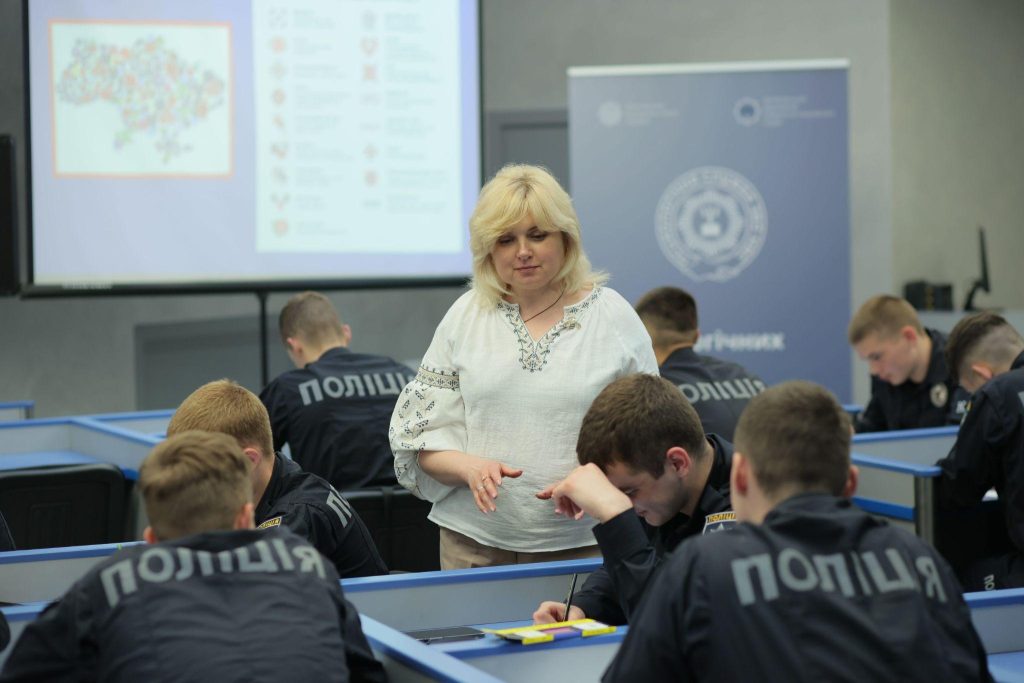
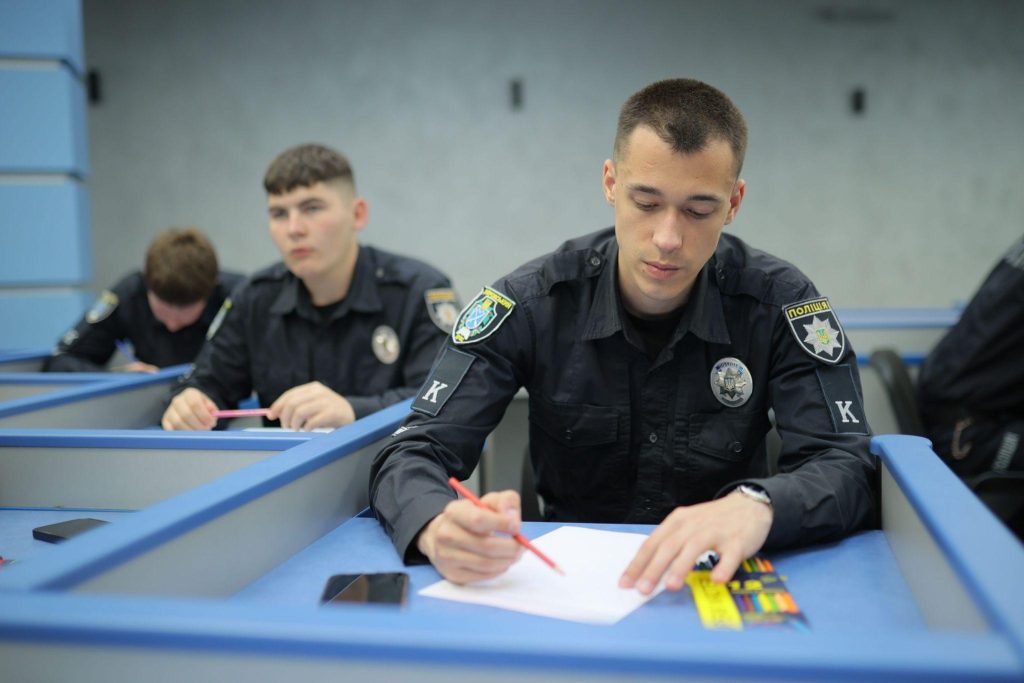
On the eve of the World Day of the Vyshyvanka, DSUIA cadets took part in events aimed at supporting the emotional state of young people, developing psychological resilience and forming national consciousness.
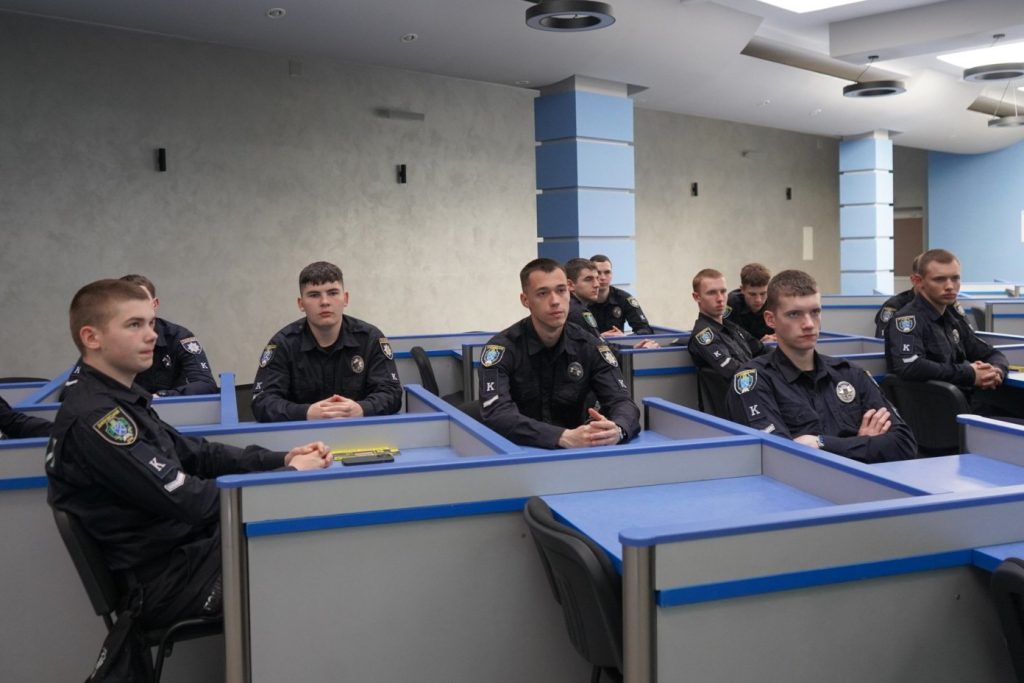
The leading psychologist of the Department of Psychological Support Hanna Mhlynets revealed the issues of psychological influence and the significance of clothing, in particular uniform. The participants discussed the influence of colors, symbols and elements of the form on the perception of personality in society, as well as their connection with the formation of authority, professional identity and respect for the law.
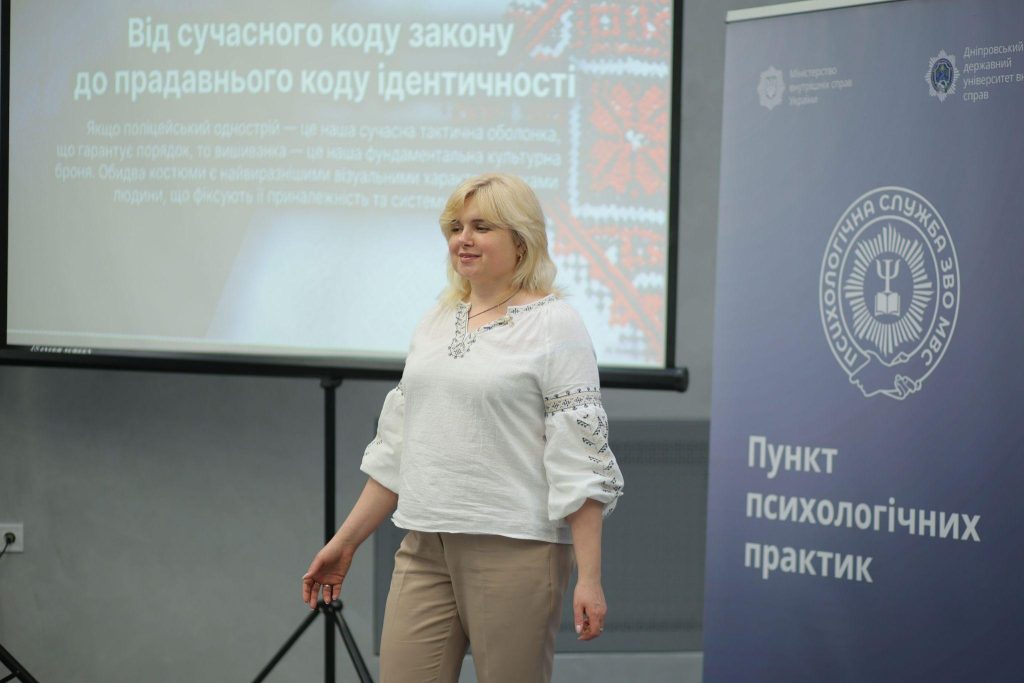
Special attention was paid to the Ukrainian vyshyvanka as a symbol of national identity and psychological support. The cadets familiarized themselves with the content of traditional ornaments and symbols, through which Ukrainians from generation to generation passed on ideas about life, protection, spiritual values and harmony with the world. It was discussed how modern style of clothing can reflect the inner world of a person, his beliefs, emotional state and personal traits.
Hanna Mhlynets emphasized that the Day of the Vyshyvanka has not only cultural, but also important psychological significance, as it contributes to the formation of a sense of belonging, strengthening national self-identification and the development of collective unity.
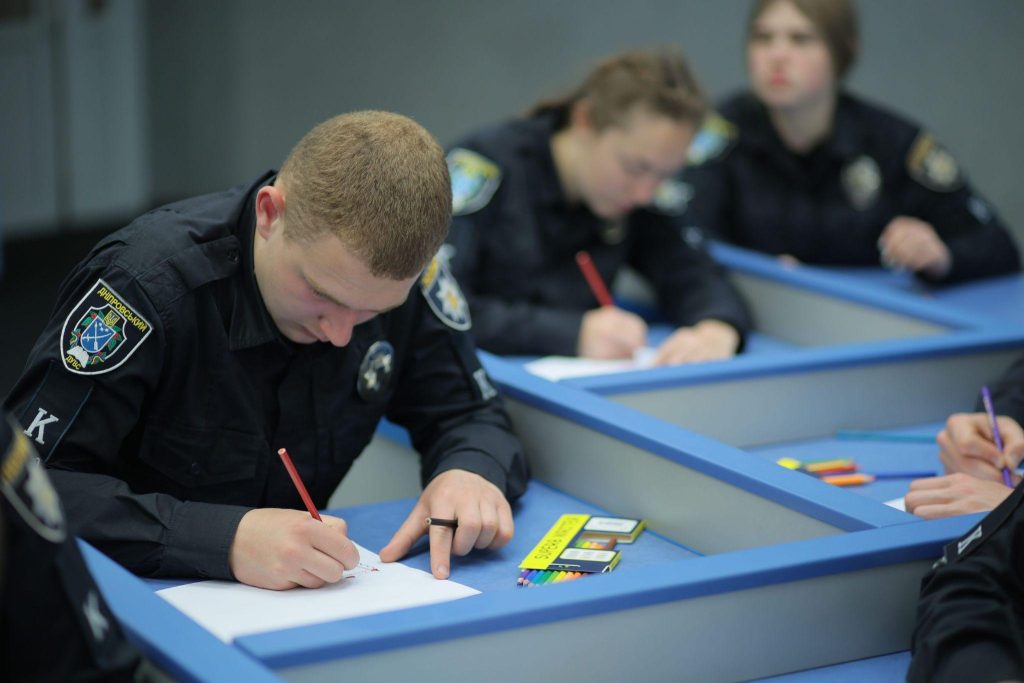
In addition, the cadets joined art-therapeutic practices aimed at developing skills of emotional self-regulation and restoring inner balance. Such exercises contribute to a better awareness of one’s own emotional states, reducing the level of psycho-emotional tension and the formation of positive thinking. In the conditions of wartime, such psychological practices become especially relevant, as they support the adaptive resources of the individual and strengthen his stress resistance.
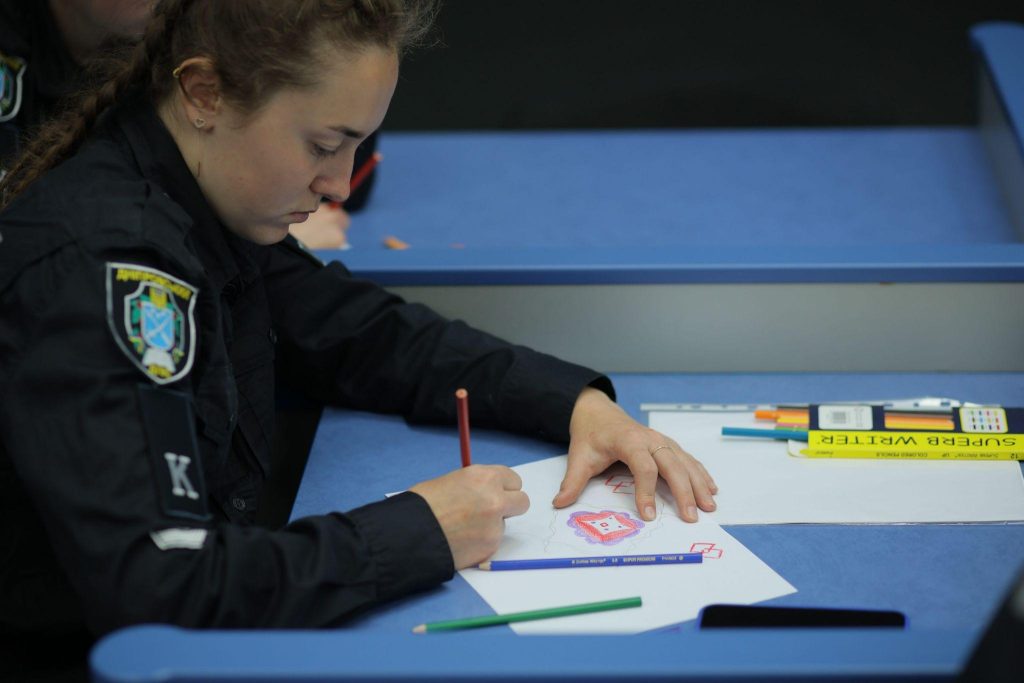
Such initiatives support emotional contact in the group, create an atmosphere of trust and open communication, which is an important resource of psychological resilience.
— 269