

A series of meetings for military veterans has been started at DSUIA. The measures are organized by the psychological support unit of DSUIA. The meetings are held in the practical format of case study, which involves joint analysis of specific life situations and the search for effective ways of their solution.
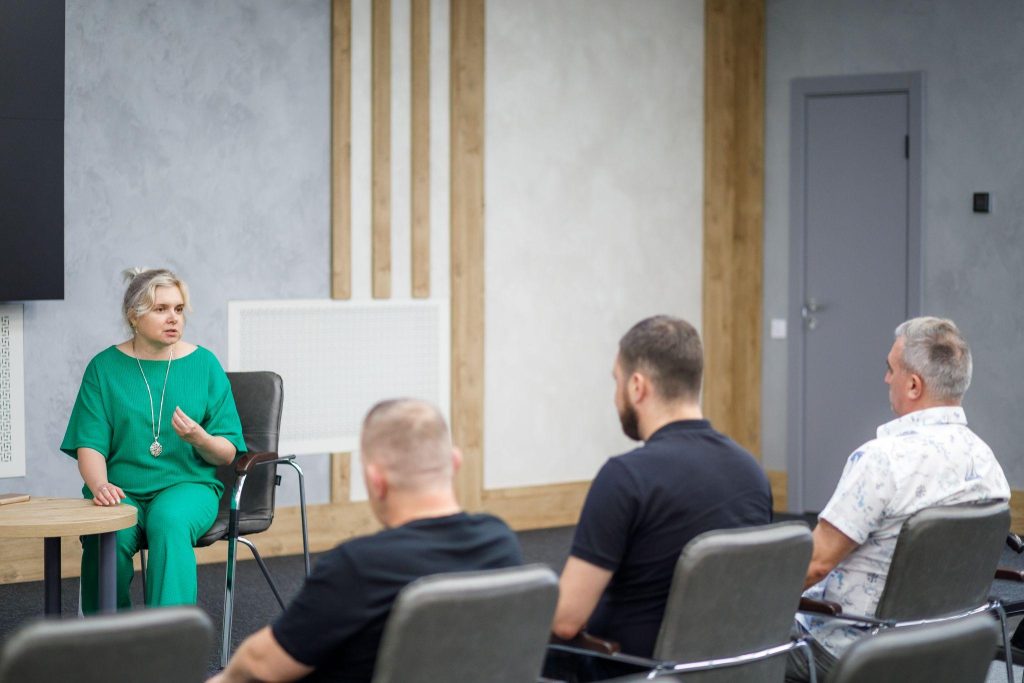
For a veteran, returning to civilian life is a process of adaptation to new roles. One of the effective tools that will help to adapt is professional psychological support. A psychological consultation can be a way to better understand one’s own reactions, see new opportunities and learn to act more effectively in circumstances that have changed.
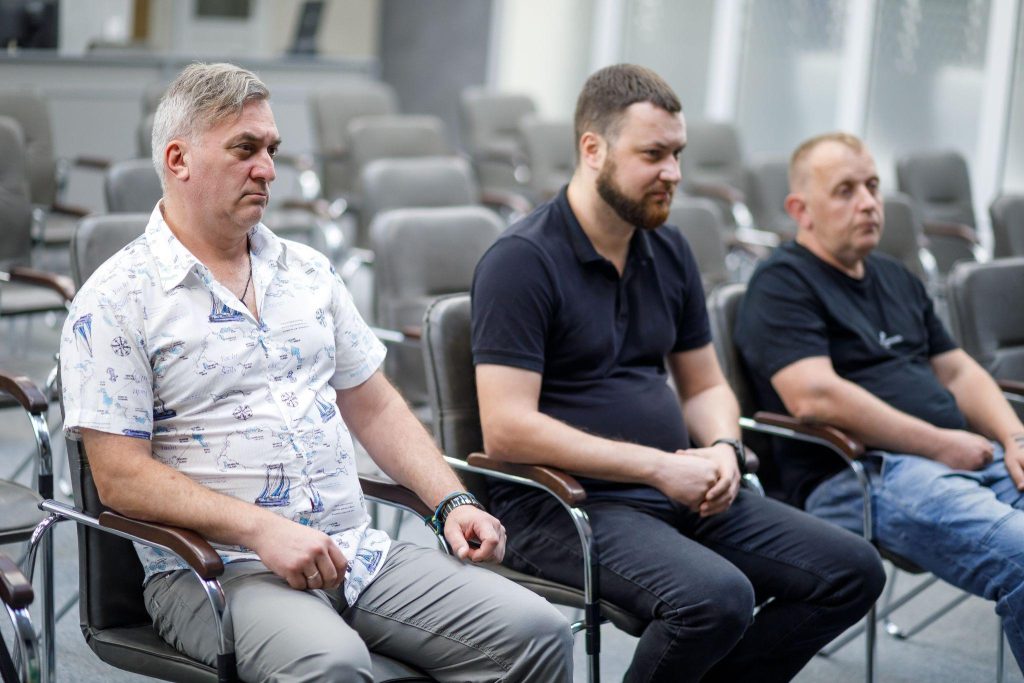
During the meetings in the case study format — the participants together with the psychologist consider specific situations that veterans may face when returning to everyday life. Such an approach makes it possible to turn one’s own experience into a resource for further adaptation.
Leading psychologist of DSUIA Hanna Mhlynets emphasizes that the transition from military experience to civilian life is a deep internal transformation. “This is not just a change of circumstances. A person faces many new tasks, the solution of which requires not only an internal resource, but also new tools of interaction,” noted Hanna Mhlynets.
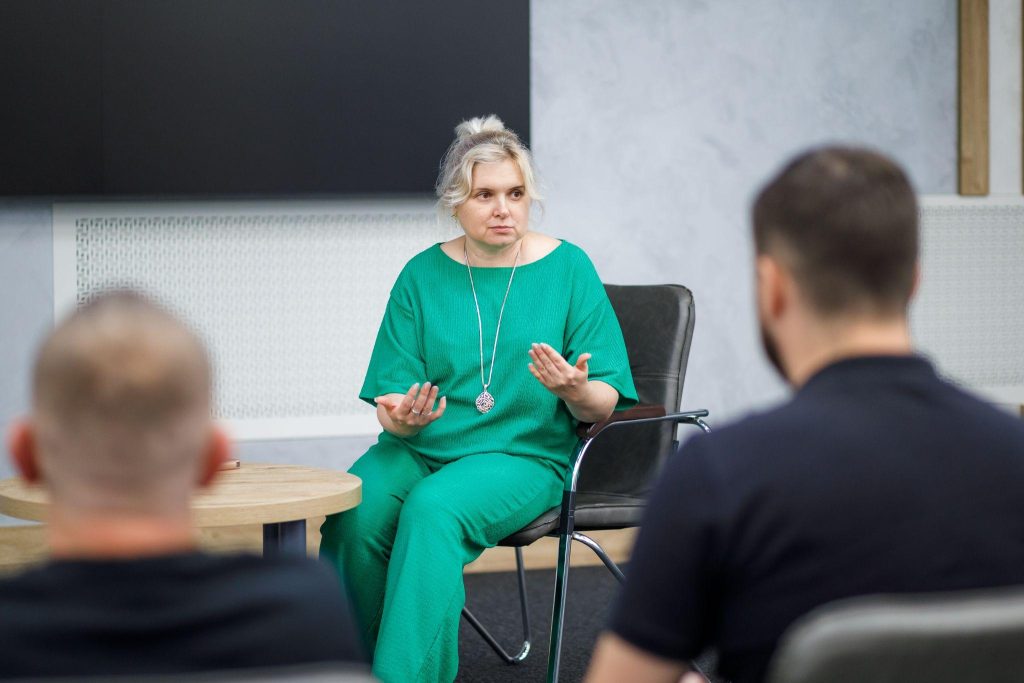
Joint analysis helps to separate facts from assumptions, understand one’s own needs and determine possible algorithms of actions. The veteran gets the opportunity to make sure that turning for psychological support is active work on one’s own adaptation.
An important component of such meetings is the partner format, each situation becomes a reason for a joint search for solutions, discussion of experience and mutual support.
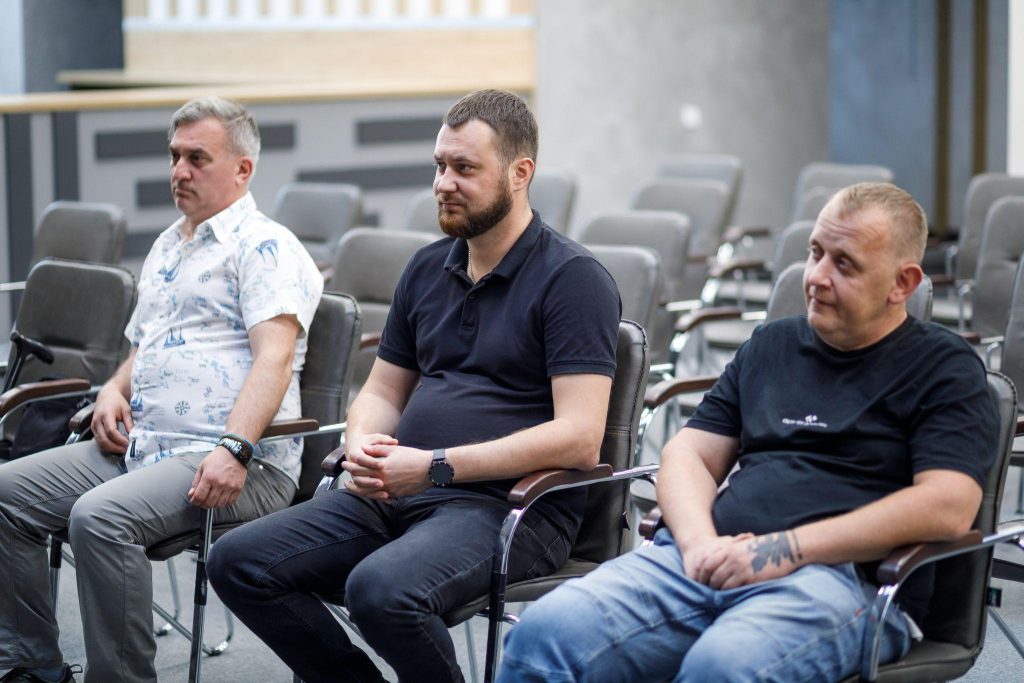
For the veteran community this is especially important. After all, the opportunity to talk with people who understand the specifics of the experienced experience, while being under professional psychological accompaniment, creates an additional feeling of safety and acceptance.
The case study format also helps to gradually change the attitude to psychological help: turning to a psychologist becomes not the last step, but one of the ways to support oneself at the stage of changes.
— 158