

The event was organized and conducted on the basis of DSUIA with the support of the Ukrainian-Swiss project “Mental Health for Ukraine” (MH4U), which implements reforms of the mental health care sphere in cooperation with the Ministry of Health of Ukraine.
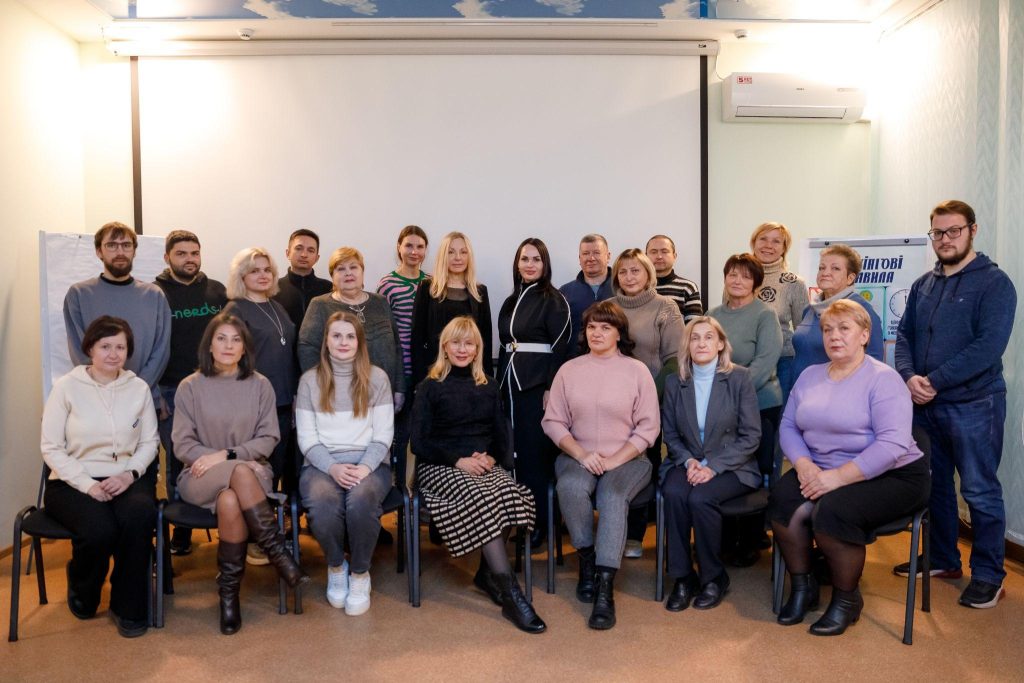
The event was opened by the assistant to the rector of DSUIA on gender issues Larysa Nalyvaiko. She emphasized that care for mental health is a component of the professional activity of specialists who daily work with children and support them, and wished the participants resilience, internal resources and inspiration in the difficult wartime.
Representatives of the Communal Educational Institution “Lyceum “Borysfen” of the Dnipropetrovsk Regional Council headed by director Tetiana Lymar took part in the training, whose activity is connected with the education, upbringing and support of applicants of education, as well as with daily interaction with their parents and legal representatives.
The trainers of the event were the head of the department of psychological support of DSUIA Serhii Vyshnevskyi and psychologist Hanna Mhlynets.
The training course is aimed at increasing awareness of mental well-being, developing a culture of care for mental health and forming practical skills of supporting oneself and others under conditions of martial law. Taking into account the specifics of the institution’s activity, special attention was paid to the emotional load of managers and pedagogical employees, the prevention of professional burnout, as well as the establishment of constructive and safe interaction with students, parents and legal representatives of applicants of education.
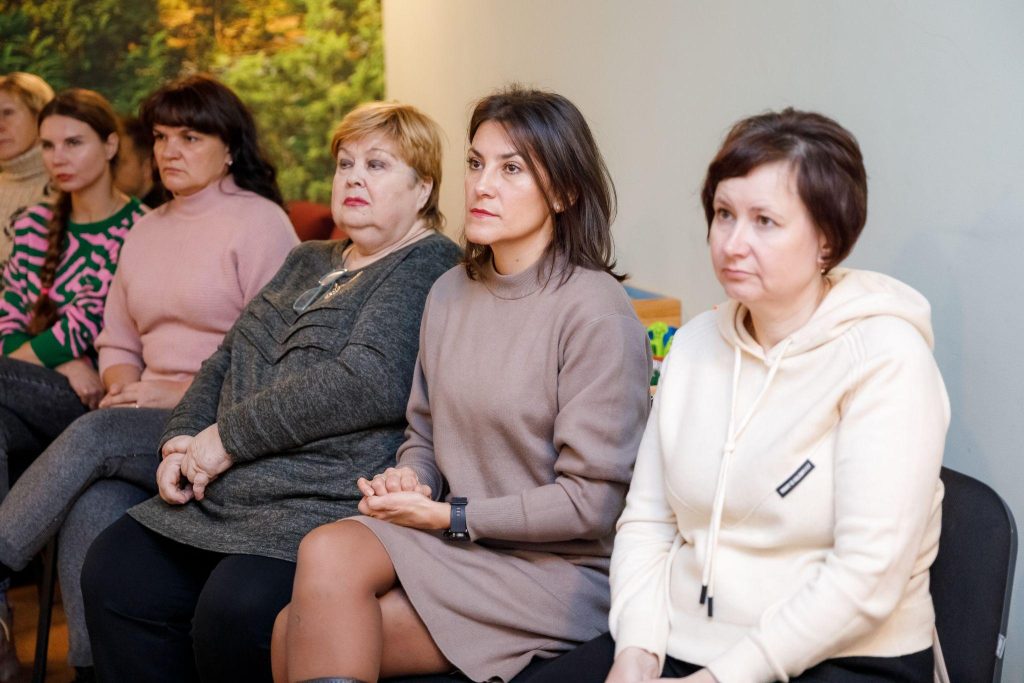
A separate block considered the military aspects of mental health: peculiarities of the reactions of children and adults to acute and chronic stress, experienced traumatic experience, loss, forced displacement and prolonged uncertainty; the specifics of psychological support of applicants of education during air alarms, stay in shelters and changes in the usual educational environment; principles of first psychological aid to persons who suffered as a result of armed aggression.
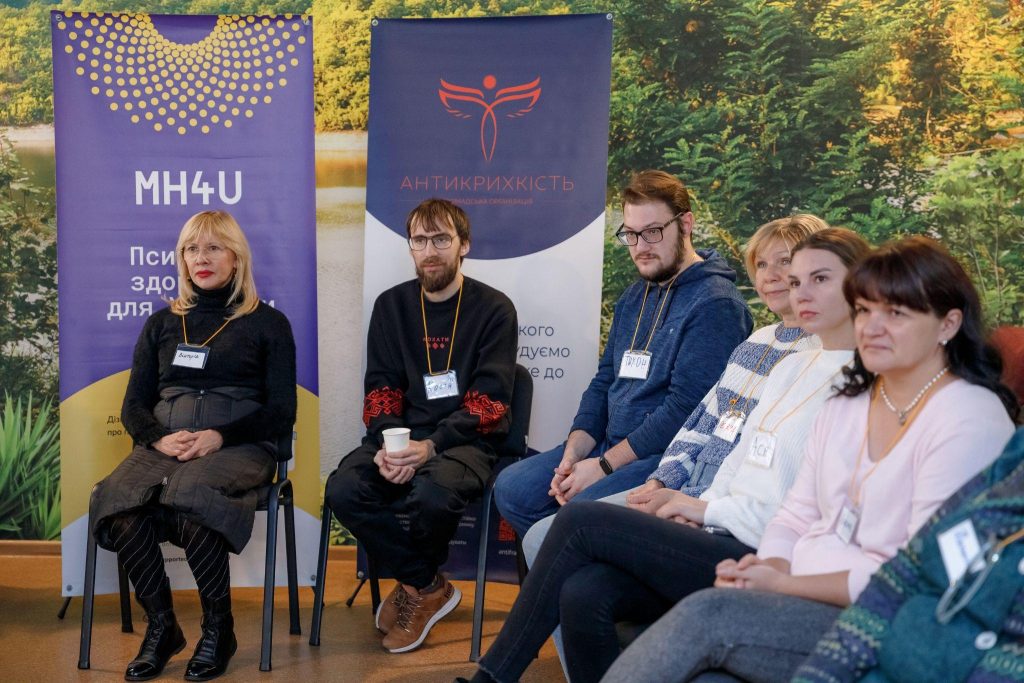
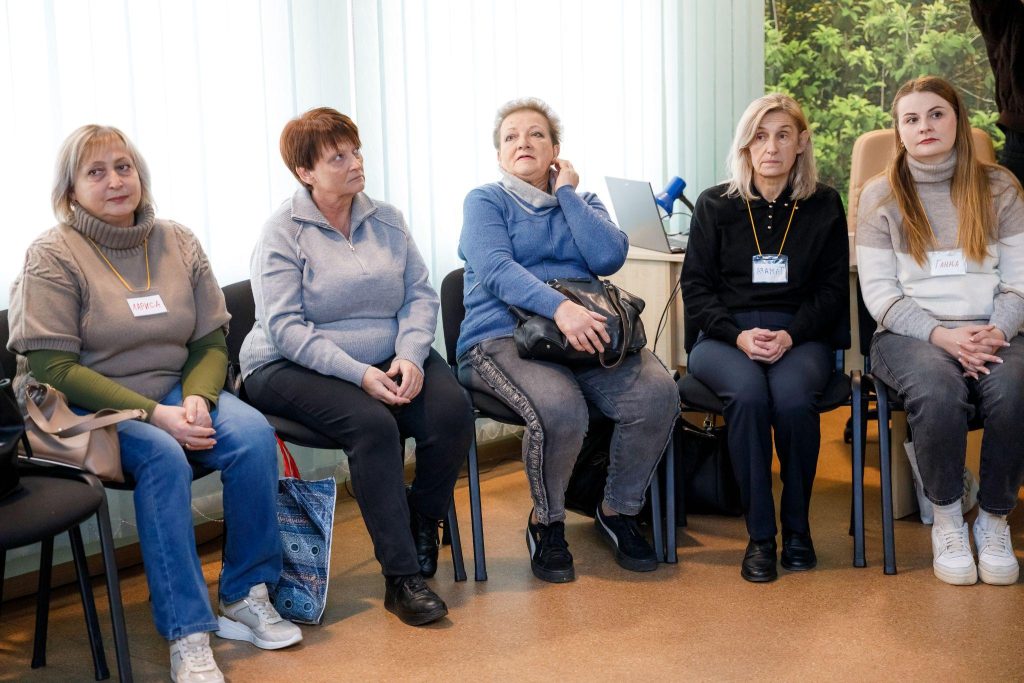
During the training, the participants studied algorithms for identifying signs of the most common mental health disorders, and also practiced effective exercises for psycho-emotional stabilization, self-help and counteraction to professional burnout.
Based on the results of completing the training, each participant received an official certificate and a work album with the application of support algorithms.
— 19