

The event was organized by the Department of Administrative Law and Procedure of the Institute for Training Specialists for Preventive Activity Units of the National Police of the Dnipro State University of Internal Affairs.
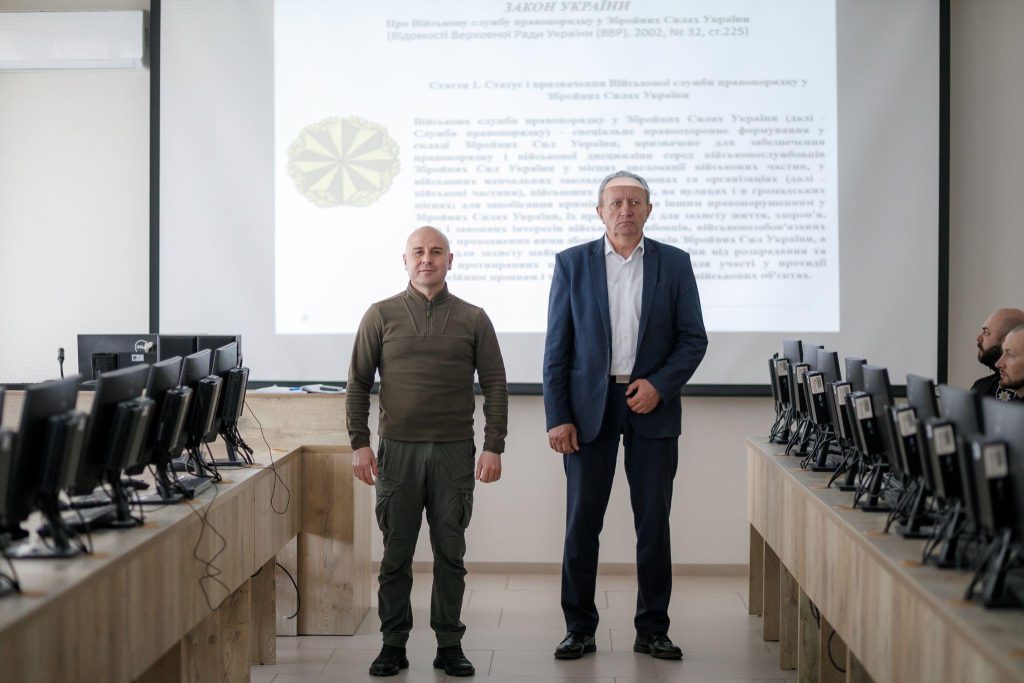
In the conditions of armed aggression and martial law, effective maintenance of law and order in the state requires close and coordinated interaction between law enforcement agencies and military structures. This interaction must simultaneously satisfy two key requirements: ensuring national security and public order; guaranteeing the constitutional rights and freedoms of citizens and compliance with international human rights obligations.
A meeting was held at the Dnipro State University of Internal Affairs between the Head of the Department for Detection, Prevention and Suppression of Offenses — Deputy Head of the Eastern Territorial Directorate of the Military Law Enforcement Service, Colonel Maksym Chernii, and patrol police officers from Dnipropetrovsk, Zaporizhzhia and Donetsk regions who are undergoing training under the specialization program on the basis of the Department of Organization of Advanced Training and Specialization of the Institute of Postgraduate and Distance Education of DSUIA.
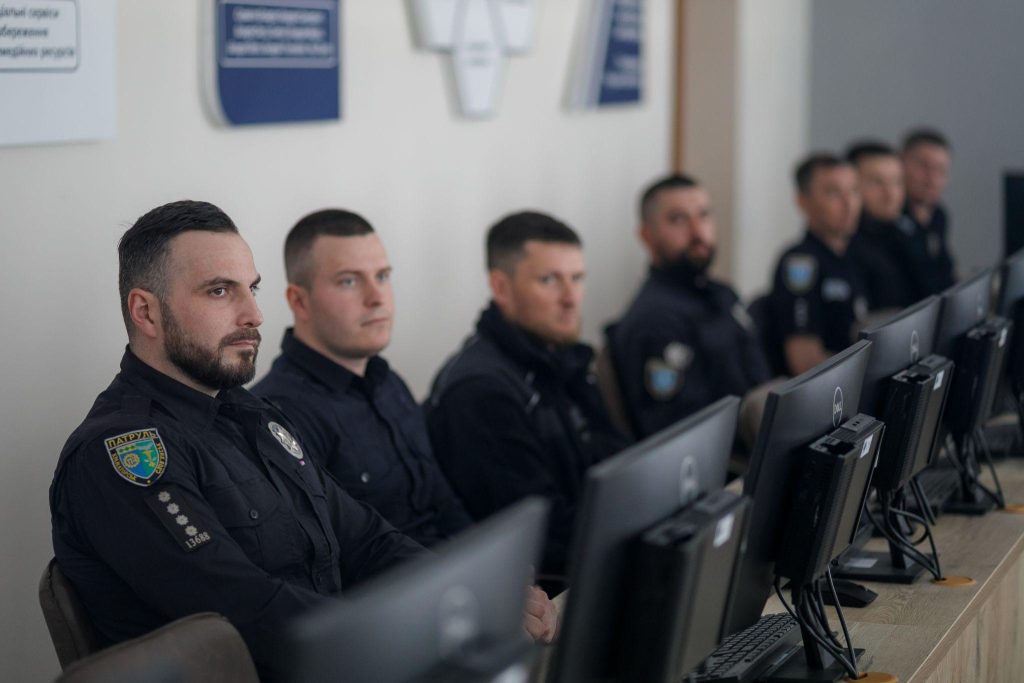
Maksym Chernii familiarized the students with the peculiarities of the functioning of the Military Law Enforcement Service, explained the main provisions of the legislation and normative legal acts regulating the responsibility of military personnel for crimes, disciplinary offenses and other offenses.
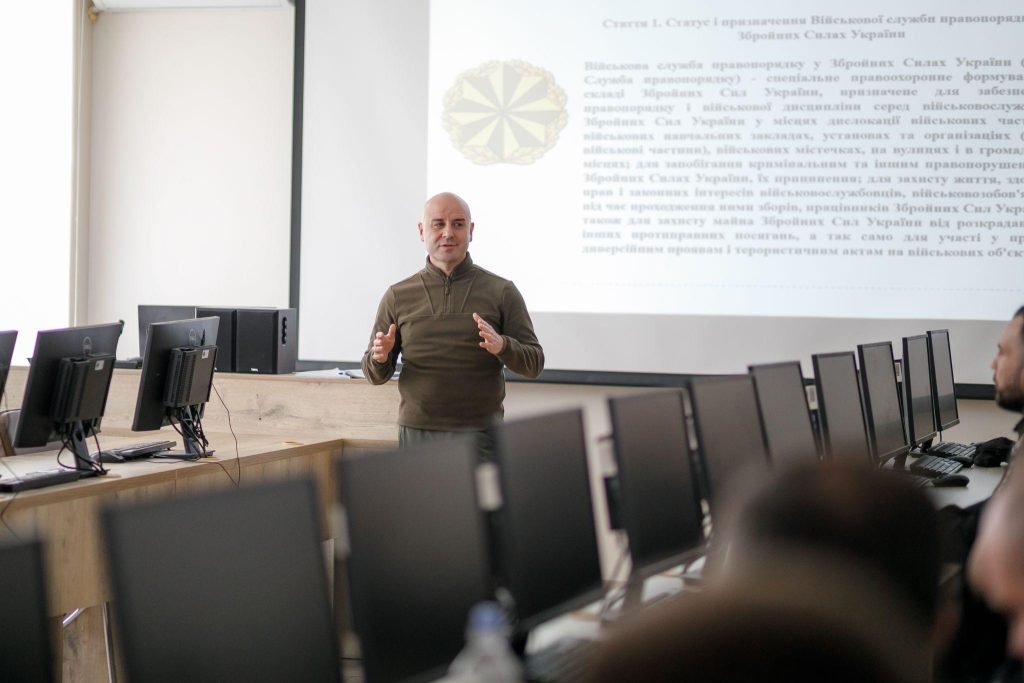
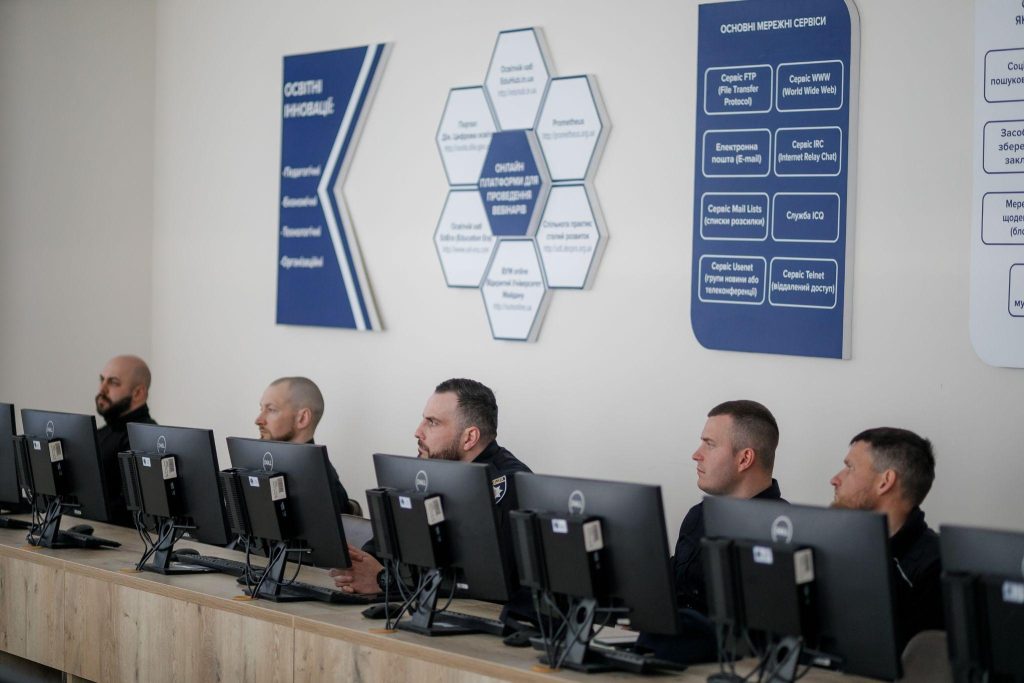
Attention was paid to the algorithm of joint actions in case of detection of offenses committed by military personnel, as well as the procedure for responding to them. Ways to establish effective interaction between patrol police units and the Military Law Enforcement Service were discussed, in particular on the issues of detaining military personnel for committing administrative or criminal offenses.
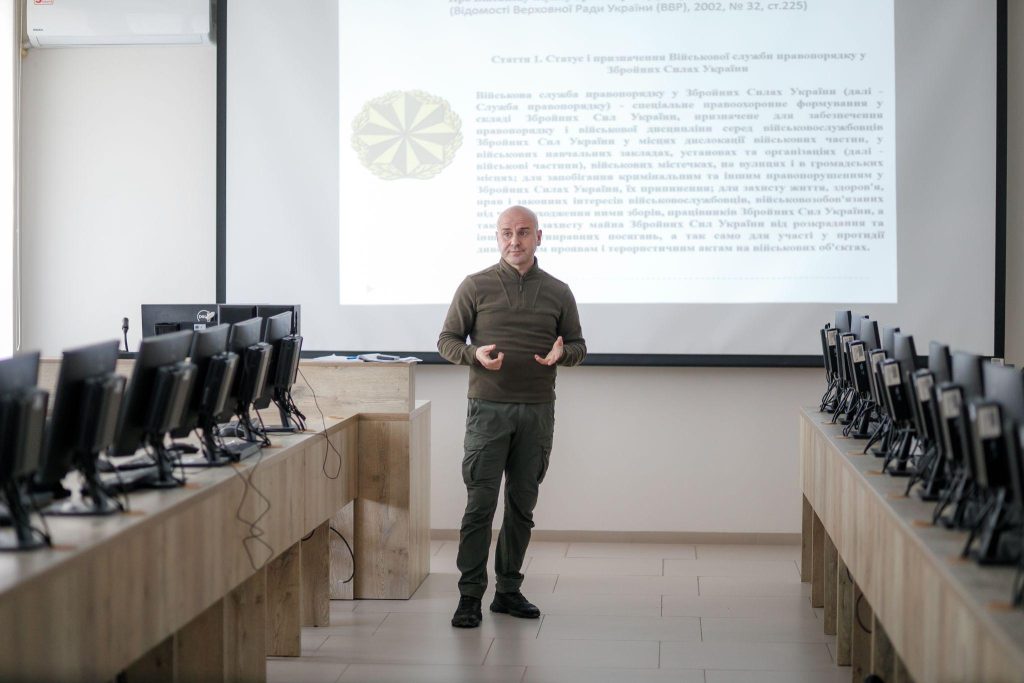
Maksym Chernii shared his experience of cooperation with employees of the National Police and other law enforcement structures regarding the prevention, detection, and suppression of criminal offenses and other events. The meeting aroused significant interest and a lively discussion.
— 319