

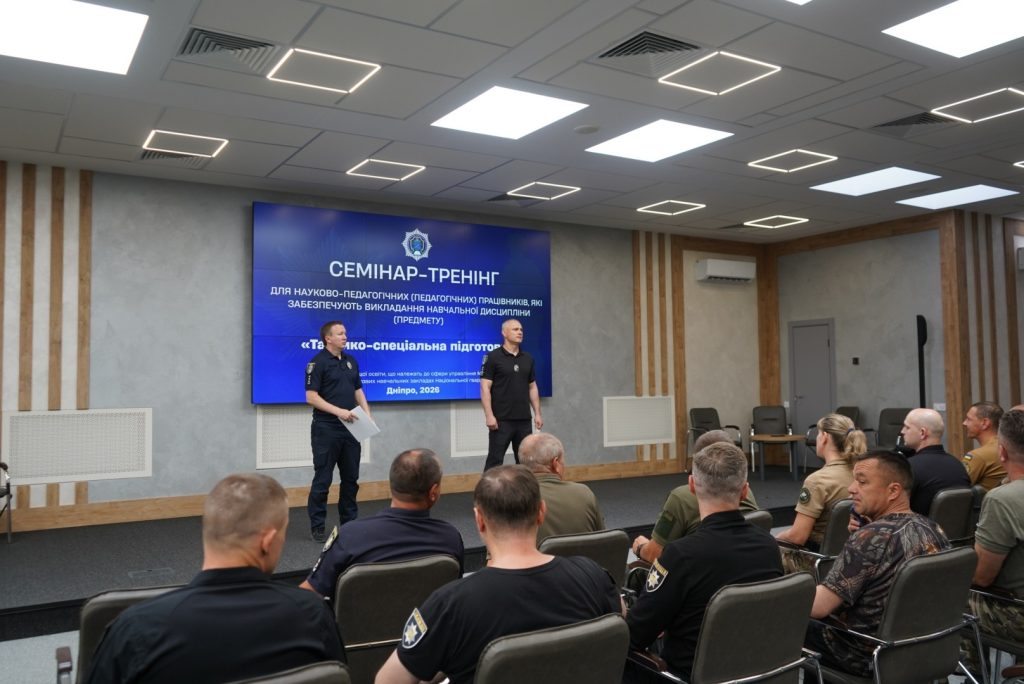
The program of the event was aimed at enhancing the professional competencies of instructors, familiarizing them with modern approaches to law enforcement training, and introducing up-to-date methodologies for conducting practical classes.
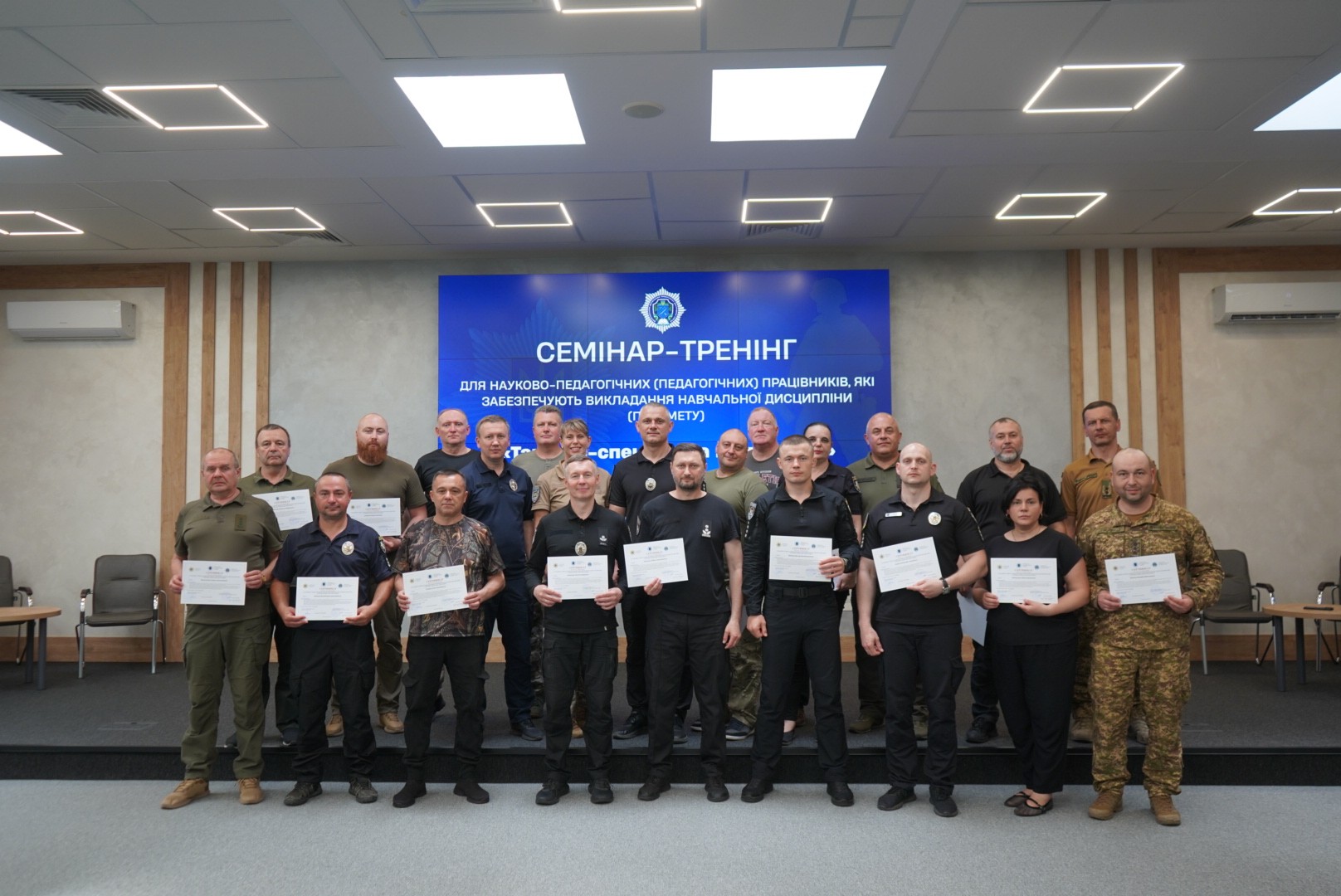
The event was organized for academic and teaching staff of higher education institutions within the Ministry of Internal Affairs system, as well as specialists involved in police training.
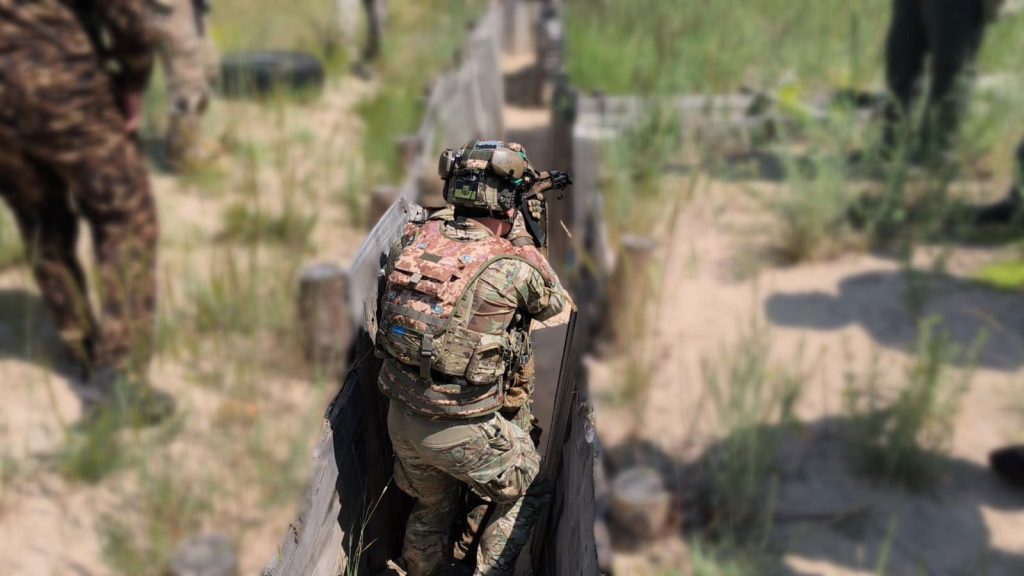
Participants studied modern tactical principles and concepts applied by police officers while performing their duties, examined the specifics of tactical communication, and reviewed response algorithms for various situations ranging from interaction with citizens to incidents involving a high threat to life and health. Particular attention was paid to small-unit tactics, patrolling, tactical emergency casualty care according to the MARCH algorithm, and the identification of explosive hazards.
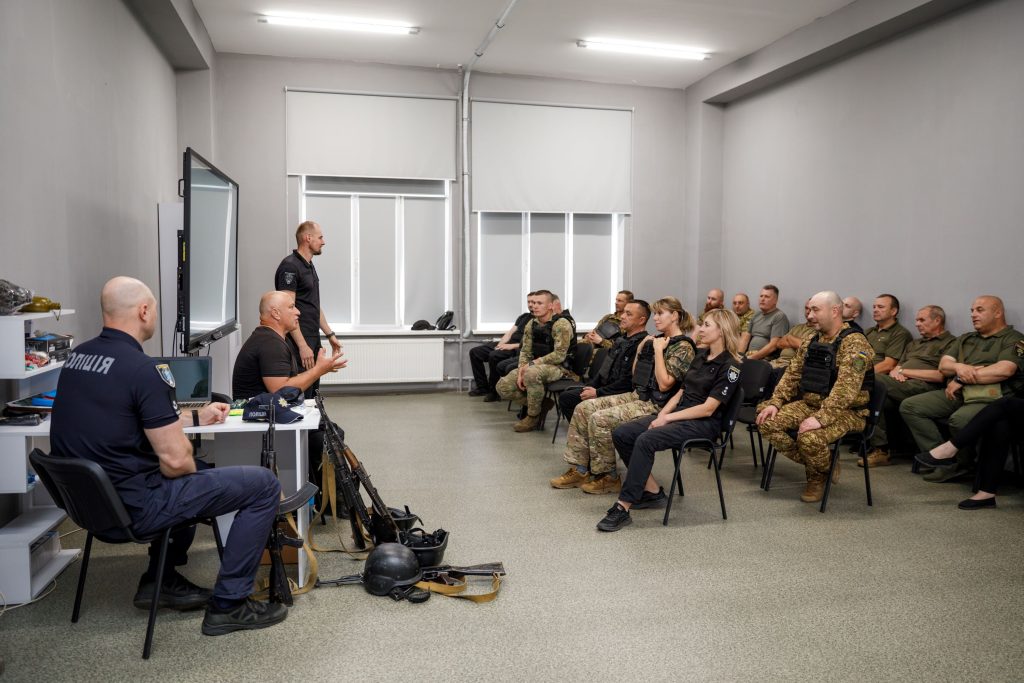
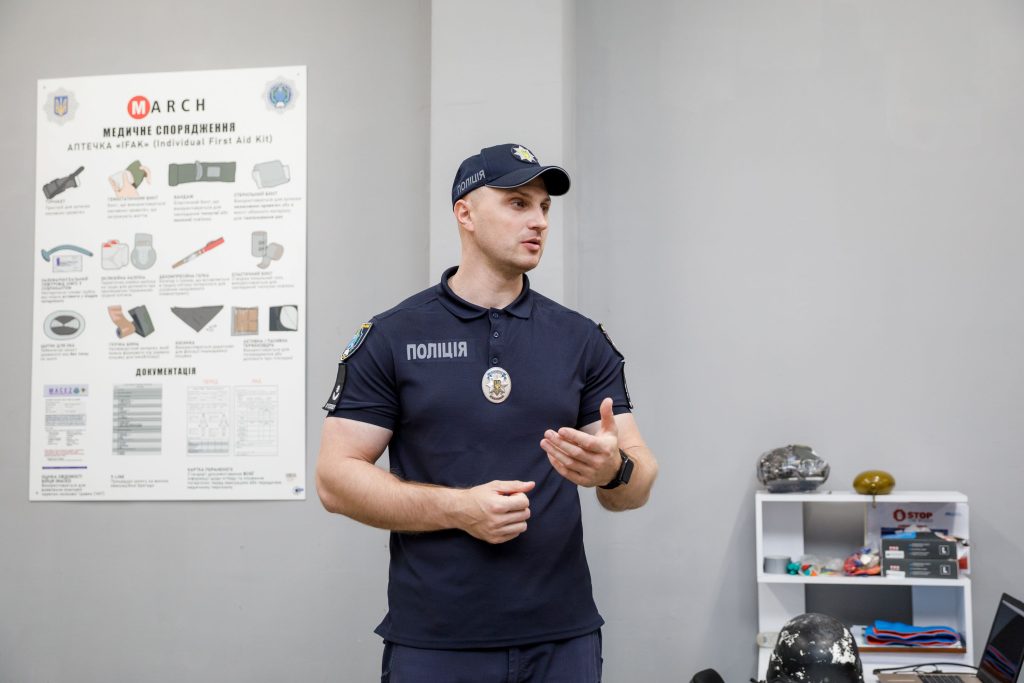
During the training, participants became acquainted with the organization of educational sessions on police operational tactics in accordance with the Scandinavian model of public order policing. They practiced algorithms for conducting police operations, coordinating unit actions using a training command post model, carrying out internal building searches, and responding to active shooter situations.
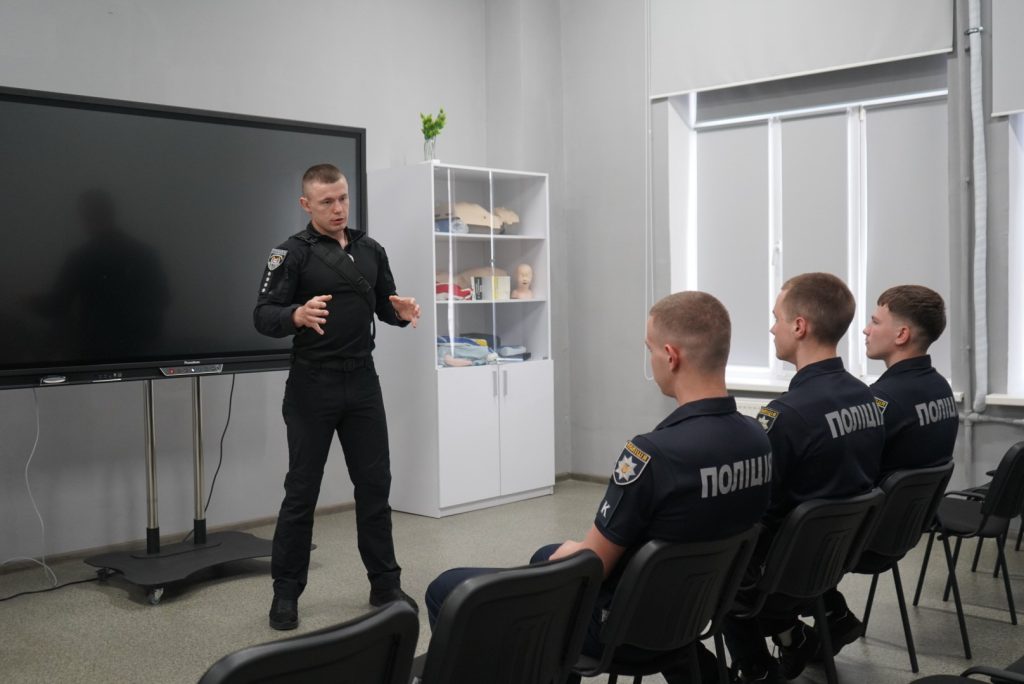
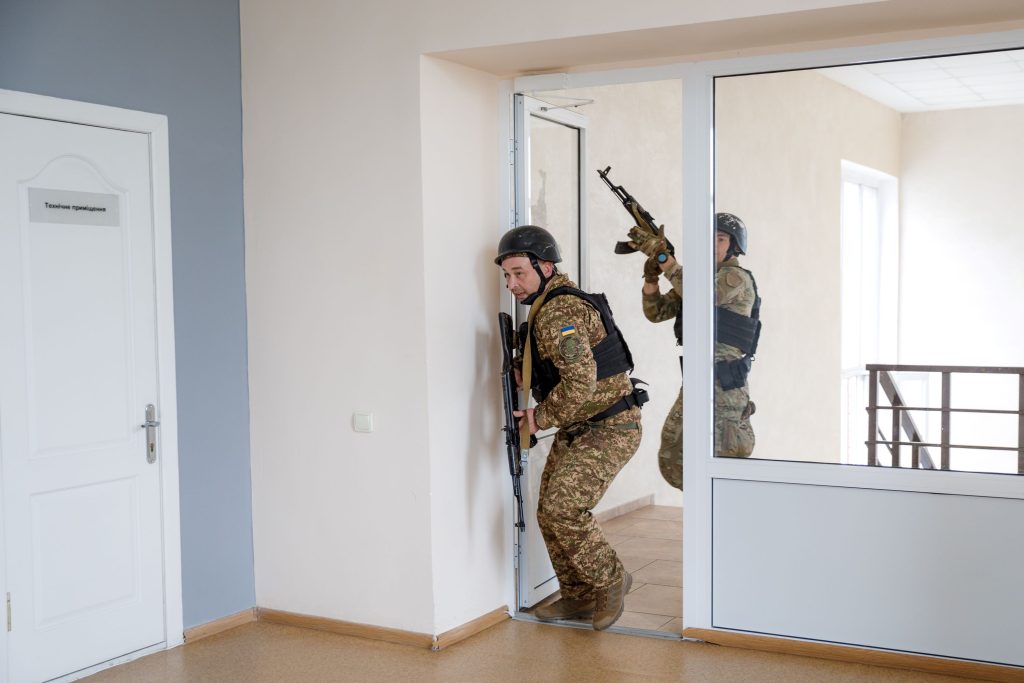
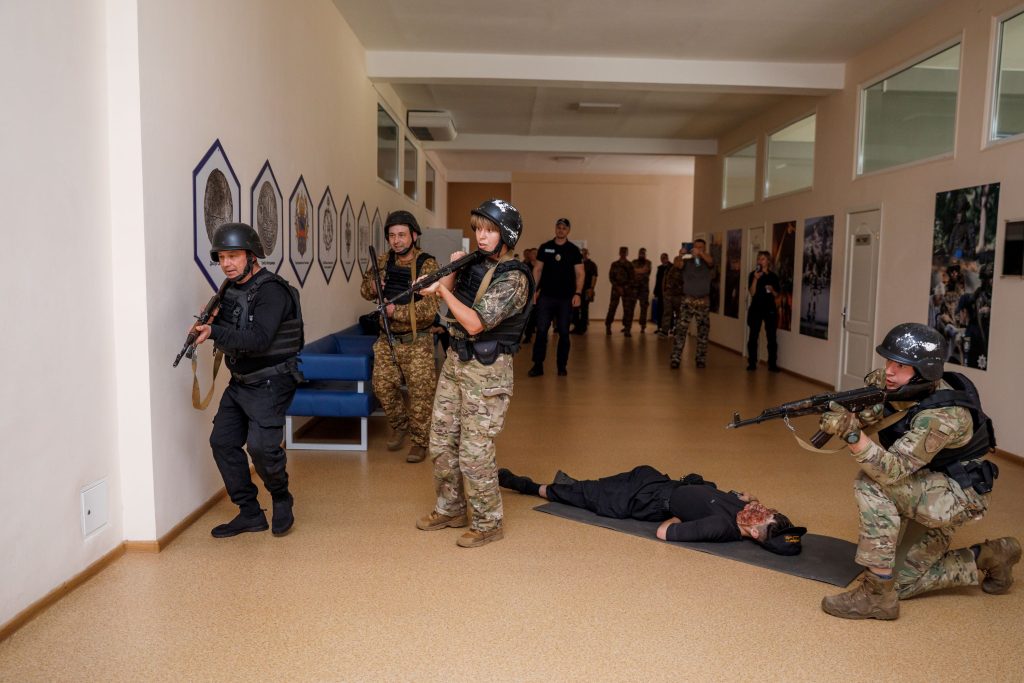
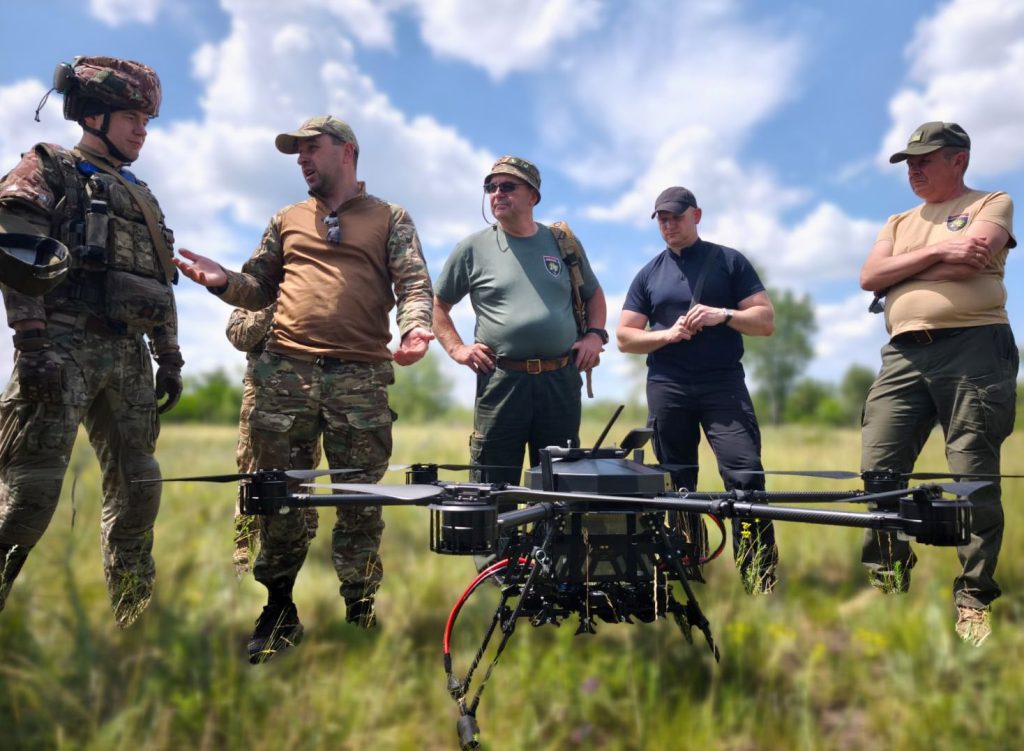
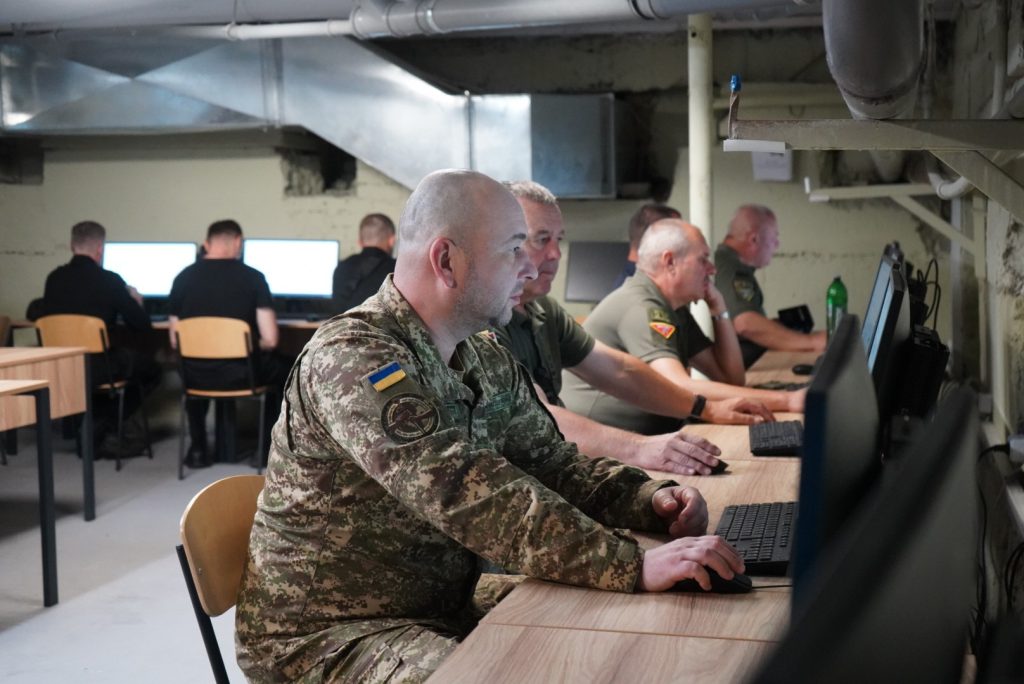
Participants also enhanced their knowledge of the use of unmanned systems in operational and combat-related tasks, mastered the capabilities of modern digital tools and situational awareness systems. Separate sessions were devoted to the fundamentals of topography, land navigation, police engineering training, and vehicle inspection tactics at checkpoints.
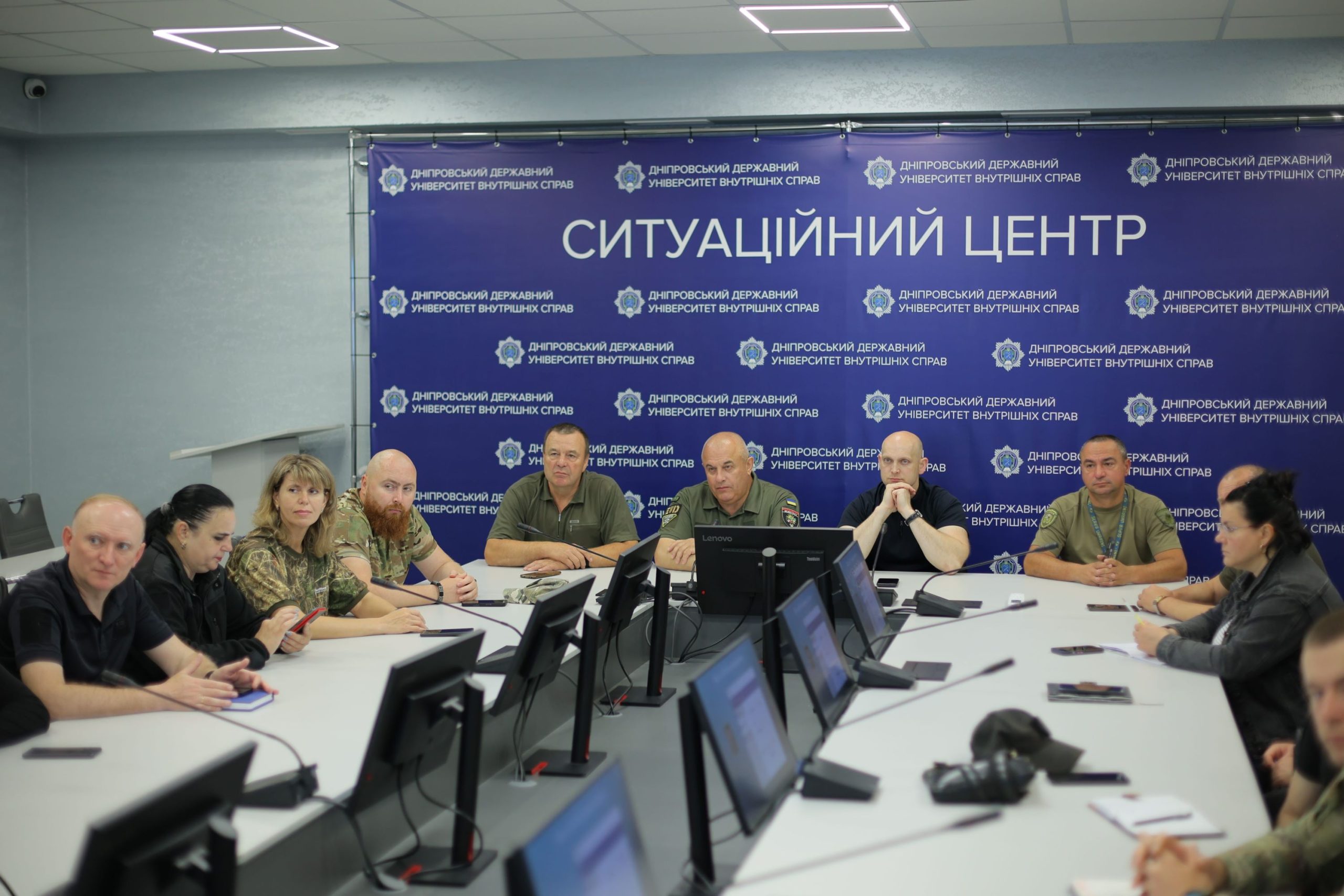
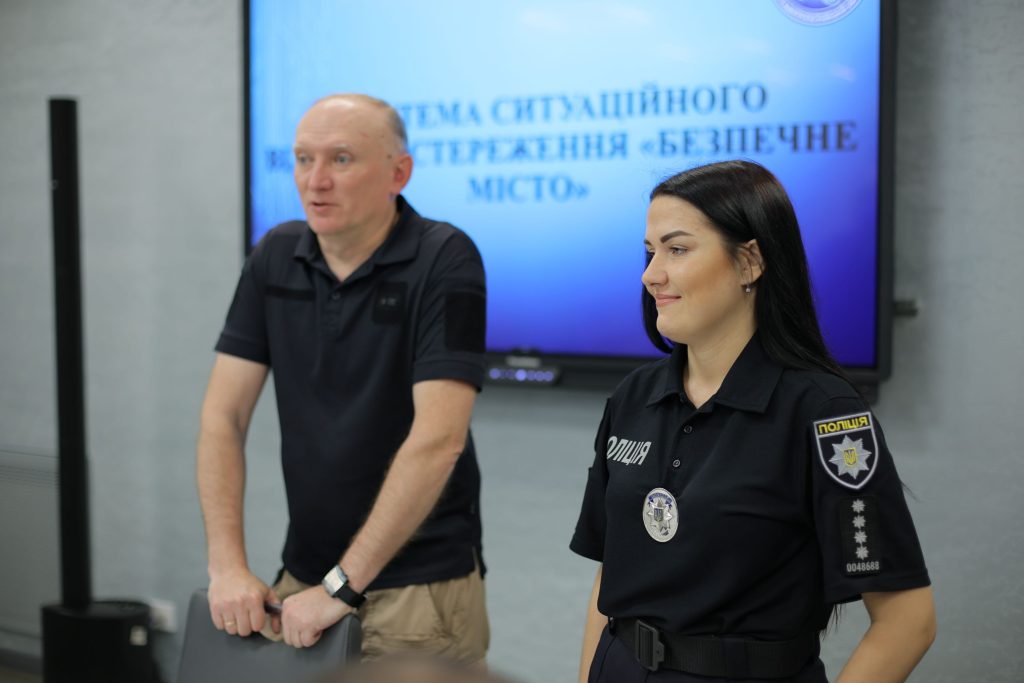
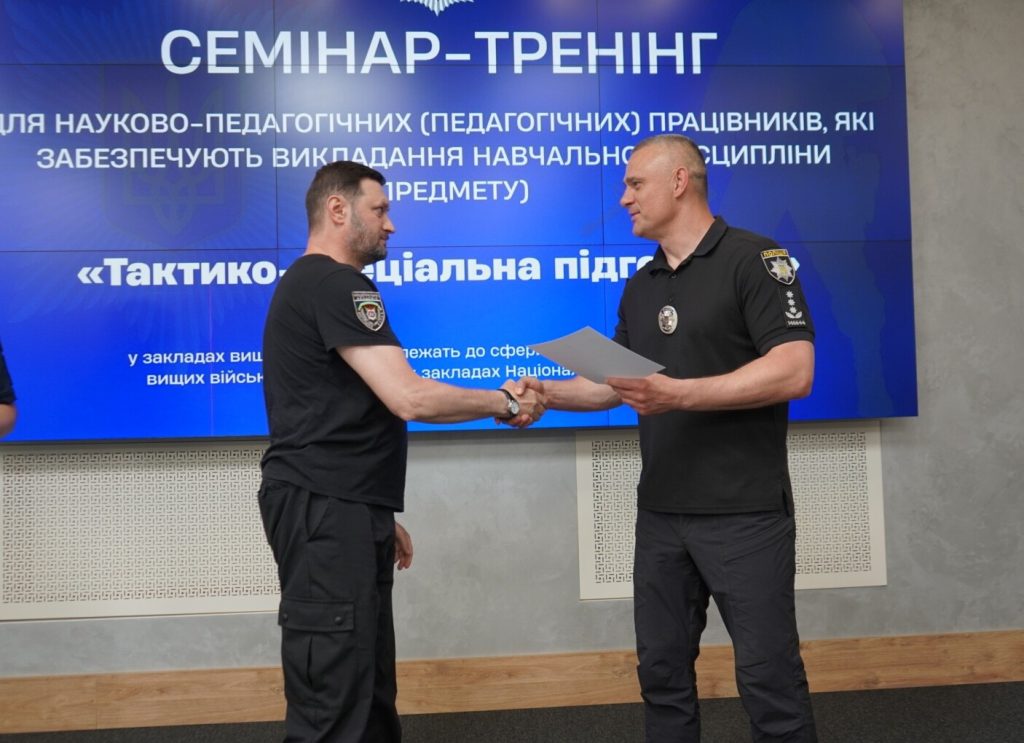
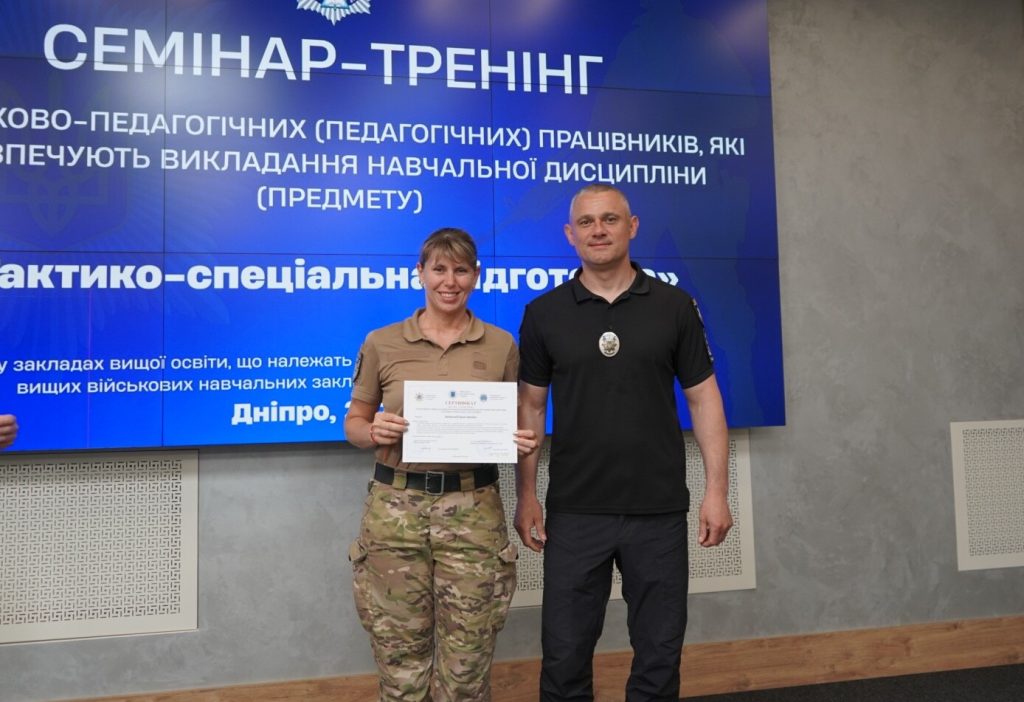
Upon completion of the training, participants took a final examination and, based on the results, received certificates of completion.
The certificates were presented by DSUIA Vice-Rector, Police Colonel Ihor Kovalov. He emphasized the importance of the continuous professional development of instructors, noting that the level of knowledge and practical skills of future police officers largely depends on the quality of their training. He also highlighted that the implementation of modern tactical approaches and advanced practical experience contributes to improving the effectiveness of law enforcement training in addressing contemporary security challenges.
— 240