

The meeting was conducted by the head of the scientific circle, associate professor of the department of criminal law and criminology of Dnipro State University of Internal Affairs, police lieutenant colonel Anton Mariienko.
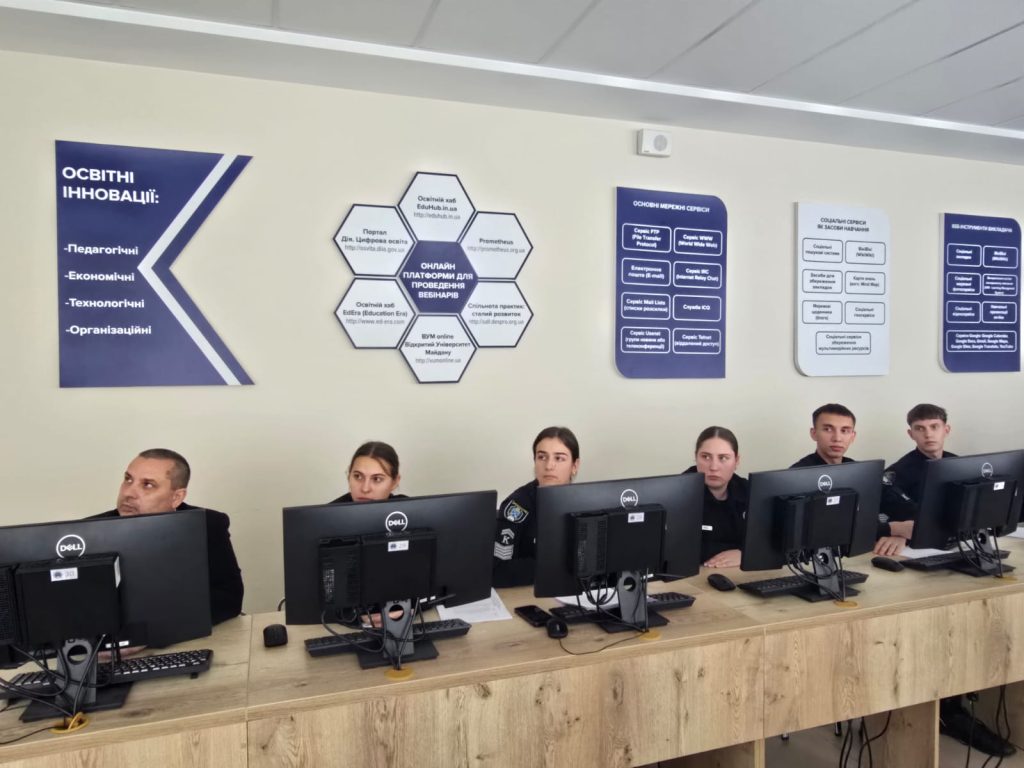
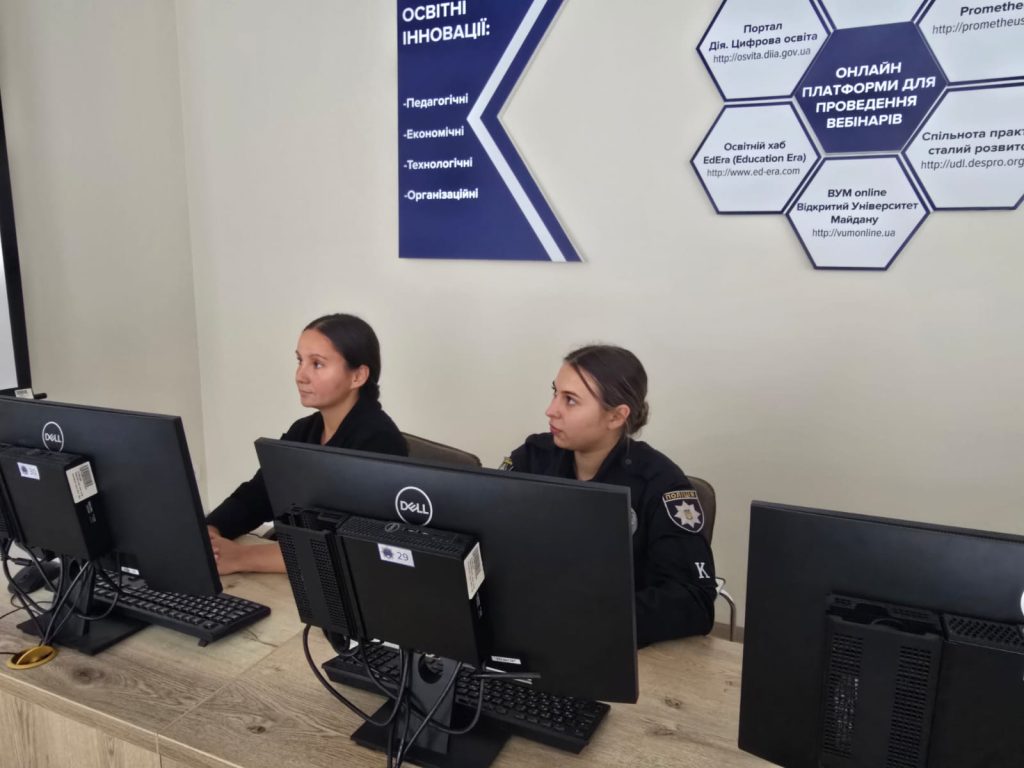
In the work of the circle took part the deputy dean of the faculty of training specialists for pre-trial investigation bodies of the National Police of Ukraine, police major Elvira Sydorova, associate professor of the department of criminal law and criminology Valentyn Liudvik, as well as cadets of the faculty.
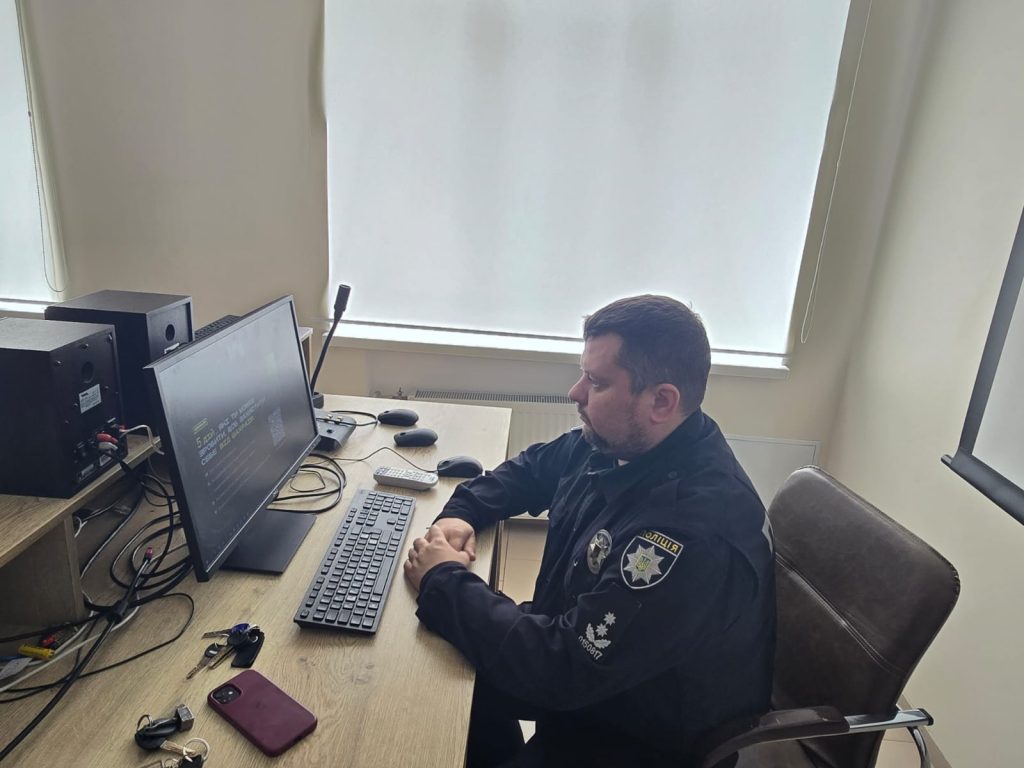
The representative of the cyberpolice, senior operative authorized officer in especially important cases of the department for counteraction to cybercrimes in Dnipropetrovsk region of the Department of Cyberpolice of the National Police of Ukraine, police major Dmytro Ryzhkin, who shared practical experience in counteracting modern cyber threats, joined the discussion of current issues in the distance format.
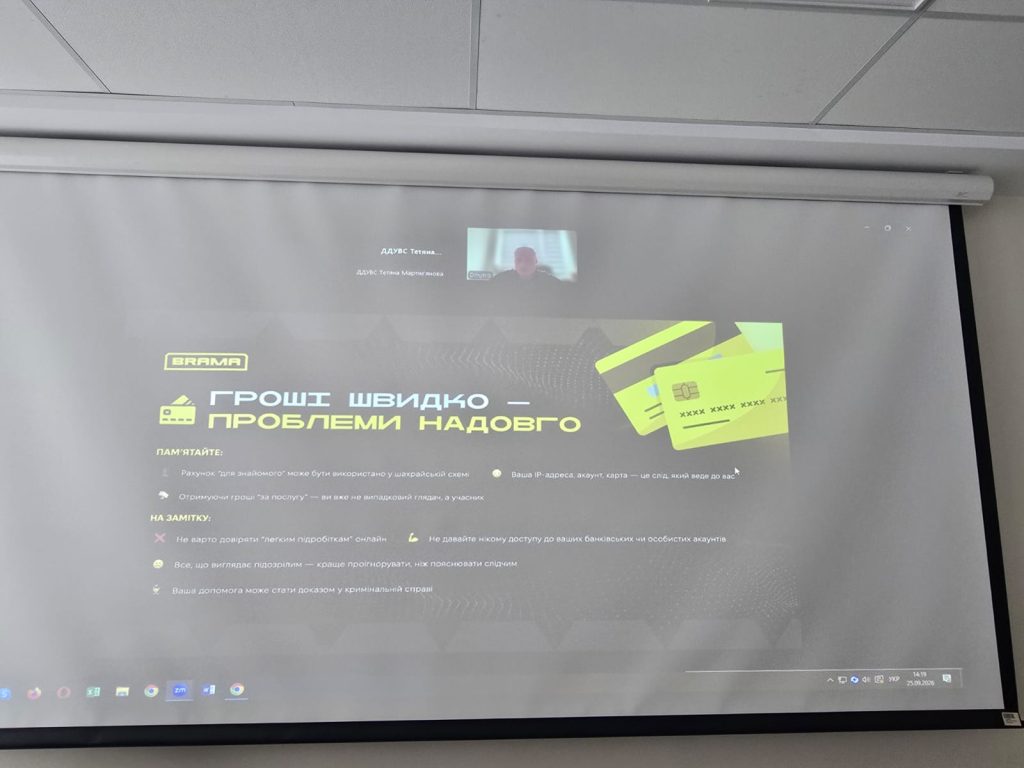
The participants discussed modern cyber threats, the main directions of their prevention, the peculiarities of counteracting cybercrime and the role of law enforcement bodies in ensuring cybersecurity.
Special attention was paid to issues of cyber hygiene. The cadets discussed the basic rules of safe behavior in the digital environment, the protection of personal data and accounts, counteraction to phishing, social engineering and other common methods of seizing information.
The topic “War crimes in Ukraine: problems of criminal-legal qualification and responsibility” was also considered. During the discussion, attention was paid to problematic issues of the criminal-legal assessment of war crimes, the peculiarities of their documentation and proof, as well as current issues of responsibility for international crimes.
An important part of the meeting was the discussion of academic integrity. The participants drew attention to the necessity of observing the principles of integrity during the preparation of scientific works, abstracts of reports, articles and other results of scientific activity.
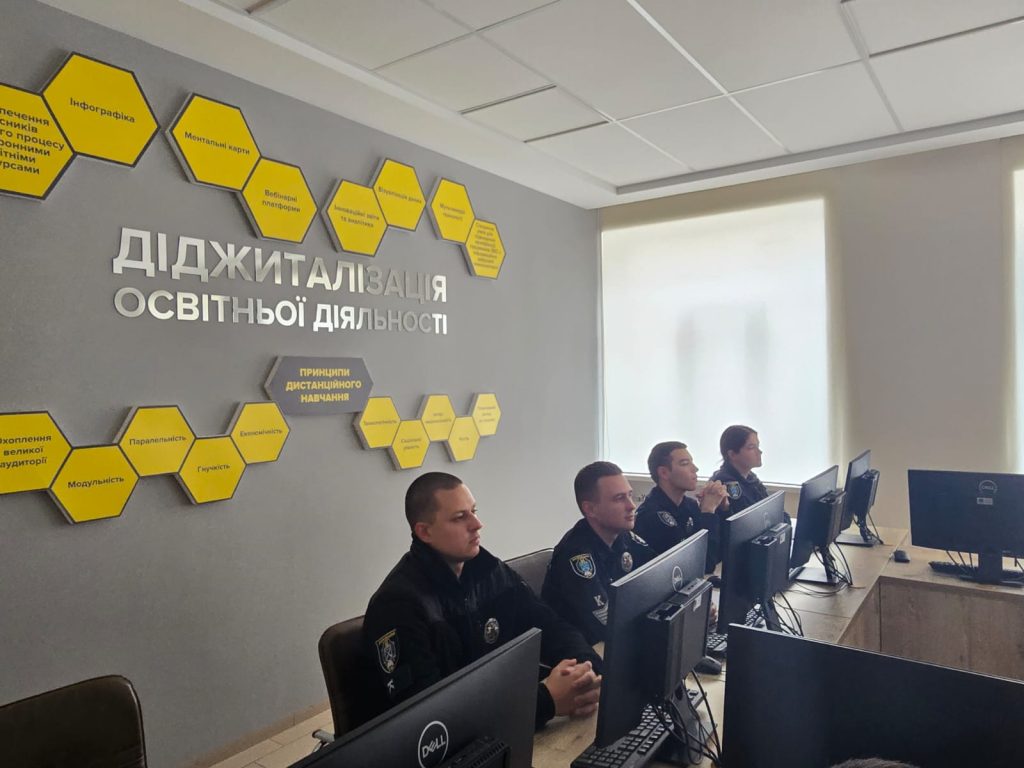
Within the framework of the meeting, applicants of higher education also presented their own scientific developments and took part in the discussion of current problems of criminal law and criminology.
The conduct of such meetings contributes to the development of scientific thinking of applicants of higher education, the formation of skills in analyzing legal problems and their practical solution, and also ensures the combination of theoretical training with practical experience of the activity of law enforcement bodies.
— 109