

The Department of Criminal Procedure at Dnipro State University of Internal Affairs continues to conduct joint training sessions involving specialists from operational units of the National Police of Ukraine.
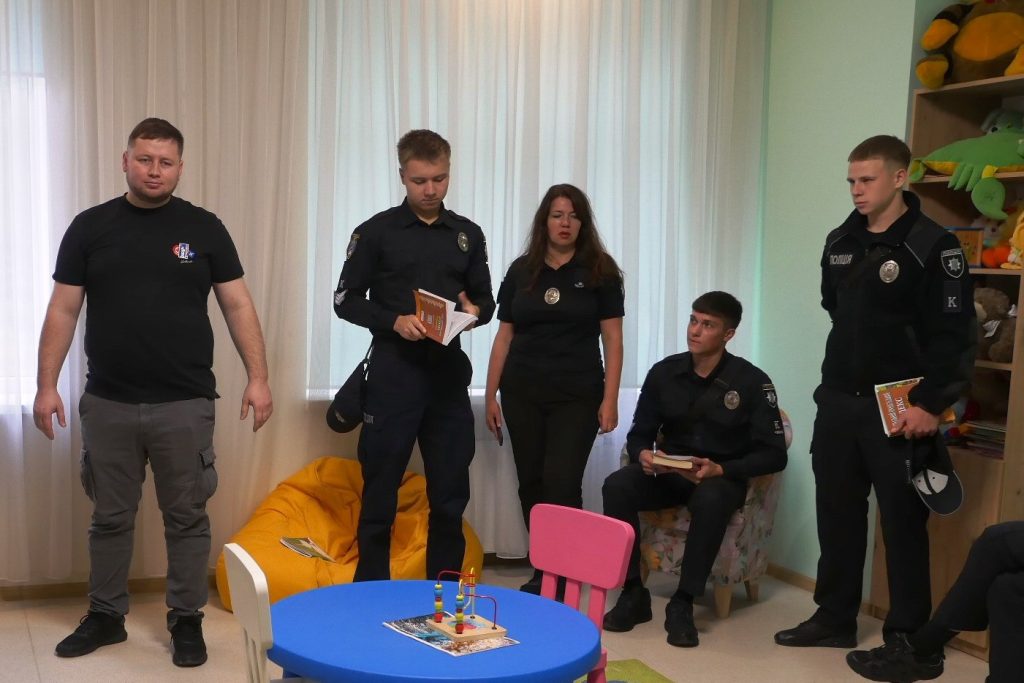
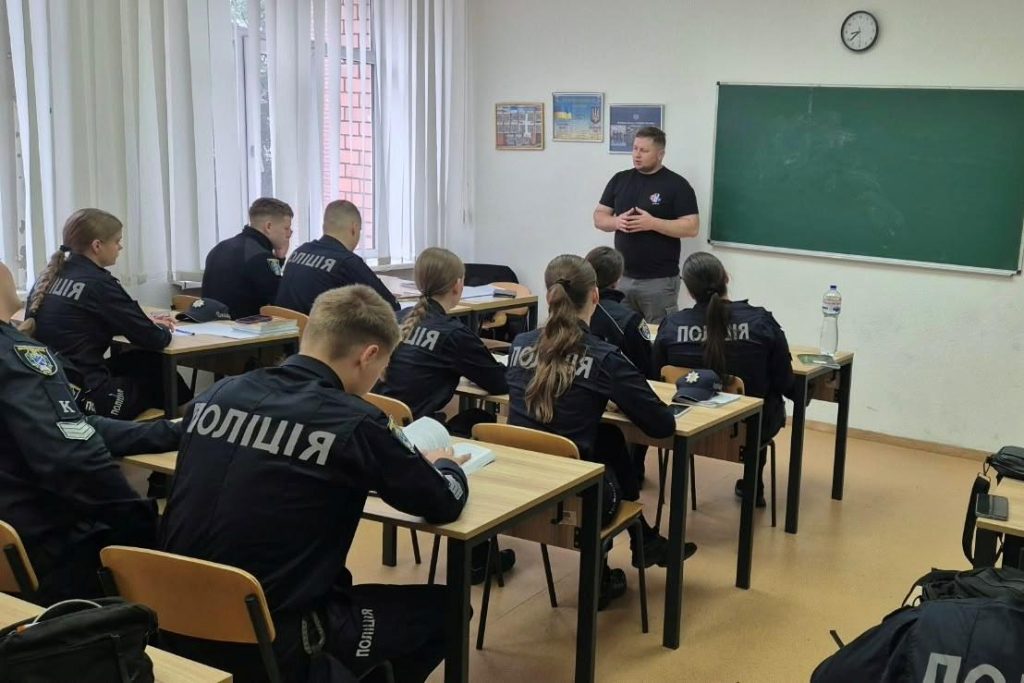
Another session within the “Criminal Procedure” course for third-year cadets from the Faculty of Training Specialists for the Pre-Trial Investigation Bodies of the National Police of Ukraine was conducted by Viktoriia Rohalska, Professor of the Department of Criminal Procedure and Police Major, and Ivan Dulkai, Police Major and Senior Investigator for Particularly Important Cases of the First Division of the Department for Organizing the Investigation of Crimes Committed in Armed Conflict at the Main Investigative Department of the National Police of Ukraine.
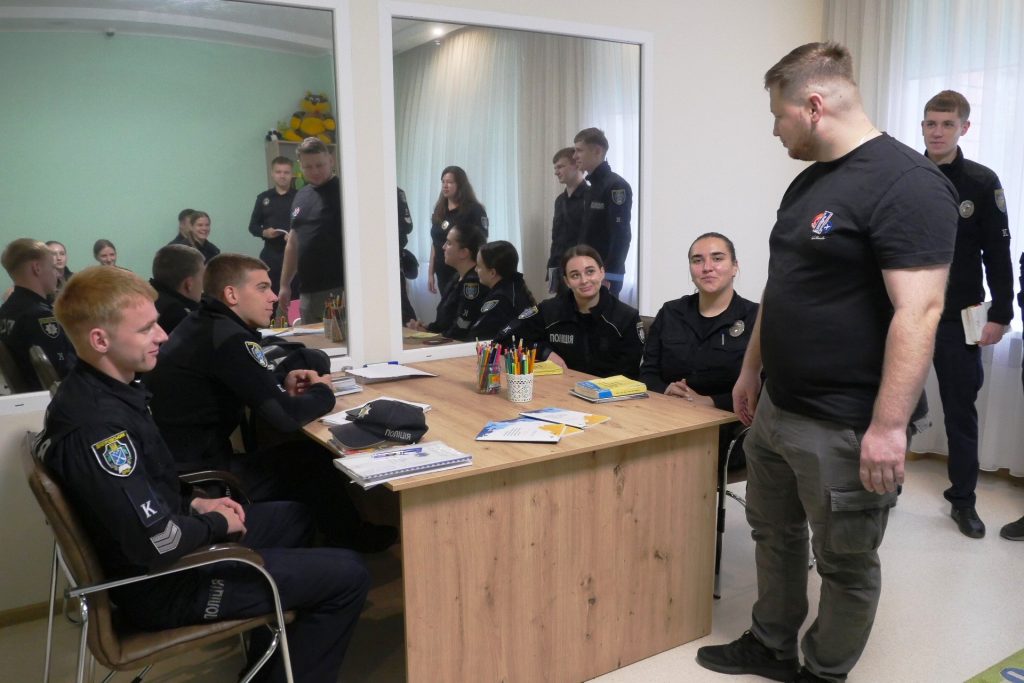
The session took place at the “Child-Friendly Crisis Room” training facility. Particular attention was paid to the procedural aspects of serving a notice of suspicion, especially to minors and individuals residing in the temporarily occupied territories of Ukraine and in the territories of states recognized by the Verkhovna Rada of Ukraine as aggressor states.
During the session, the cadets analysed practical aspects of applying criminal procedure legislation using the case concerning the downing of flight MH17 as an example. They also examined the European Court of Human Rights’ judgment of 9 July 2025 in the case of “Ukraine and the Netherlands v. Russia” in the context of procedural requirements for serving a notice of suspicion.
The most active participants received a practical guide for investigators from the representative of the Main Investigative Department of the National Police of Ukraine entitled “Investigating Conflict-Related Sexual Violence Against Men and Boys: A Victim- and Survivor-Centred Approach”.
Joint training sessions help integrate law enforcement practitioners’ experience into the educational process, deepen the professional competencies of future investigators, and develop the skills needed to apply criminal procedure legislation amid today’s security challenges.
— 9