

A binary class for cadets of the faculty of training specialists for pre-trial investigation bodies was conducted by the head of the department of civil-law disciplines and psychology Krystyna Rezvorovych and lawyer Stanislav Liflianchyk within the framework of the mastering by the applicants of the academic discipline “Civil Procedure”.
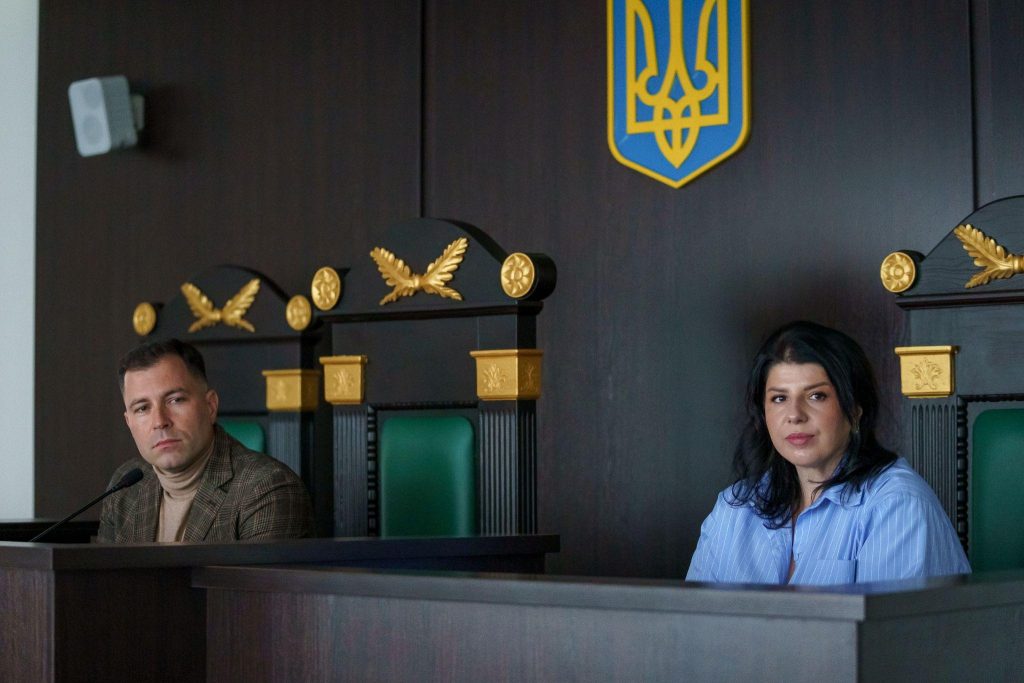
The peculiarity of the class was the application of the interactive method of modeling the court process, which gave the opportunity to bring the educational process as close as possible to the real conditions of the administration of civil justice.
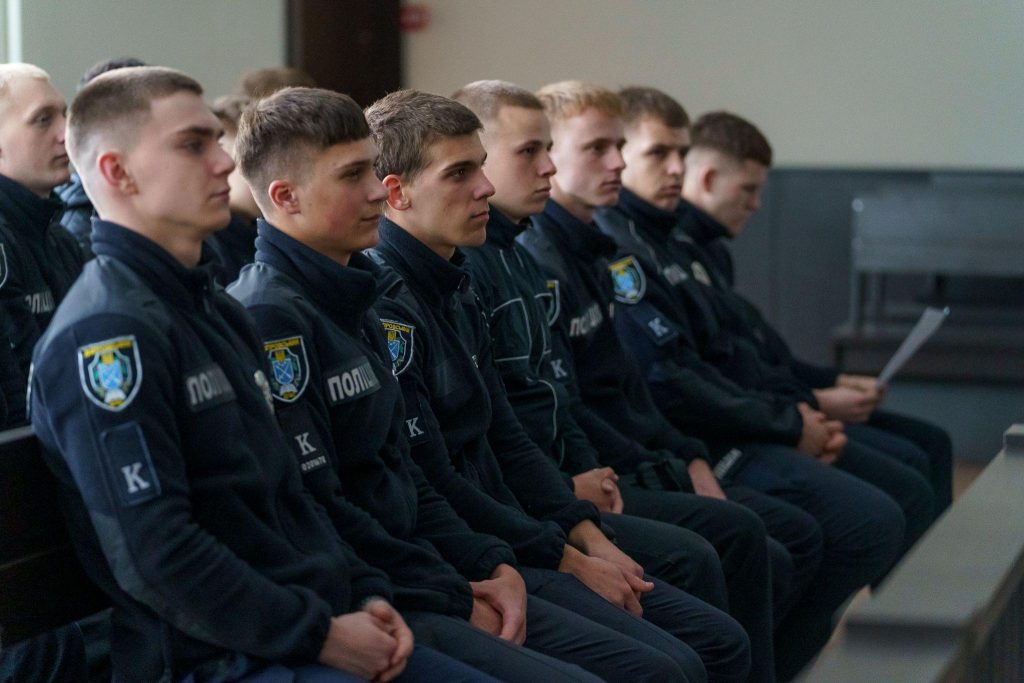
Within the framework of the modeled inheritance case, the applicants of higher education performed the procedural roles of the secretary of the court session, the plaintiff, the defendant, the representatives of the parties and witnesses. The participants independently developed legal positions, determined the subject of proof, formed the evidence base and prepared the necessary procedural documents in accordance with the requirements of the civil procedural legislation.
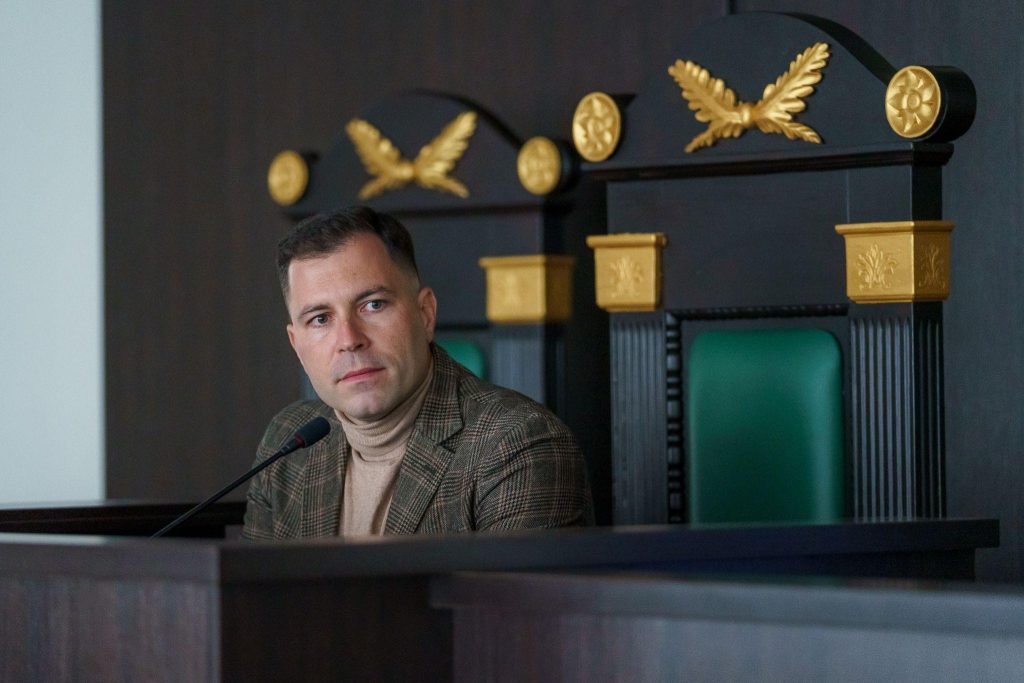
Special attention was paid to the practical development of the procedure for interrogating witnesses, the examination and evaluation of evidence, the filing and consideration of procedural motions, as well as the resolution of the issue regarding the appointment of a forensic examination.
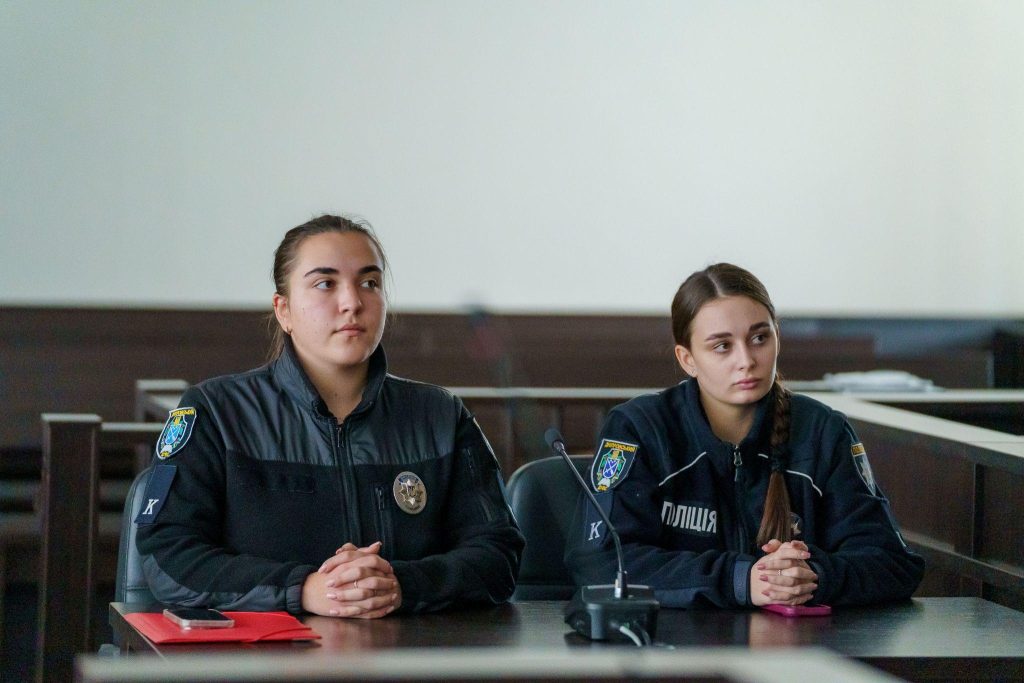
The applicants demonstrated skills in arguing legal positions, formulating questions to witnesses, justifying the necessity of conducting an expert research and determining the questions that must be put before the expert.
A separate stage of the practical class was the preparation of a full complex of procedural documents. Such an approach gave the participants the opportunity to trace the relationship between procedural actions and their proper documentary formalization.
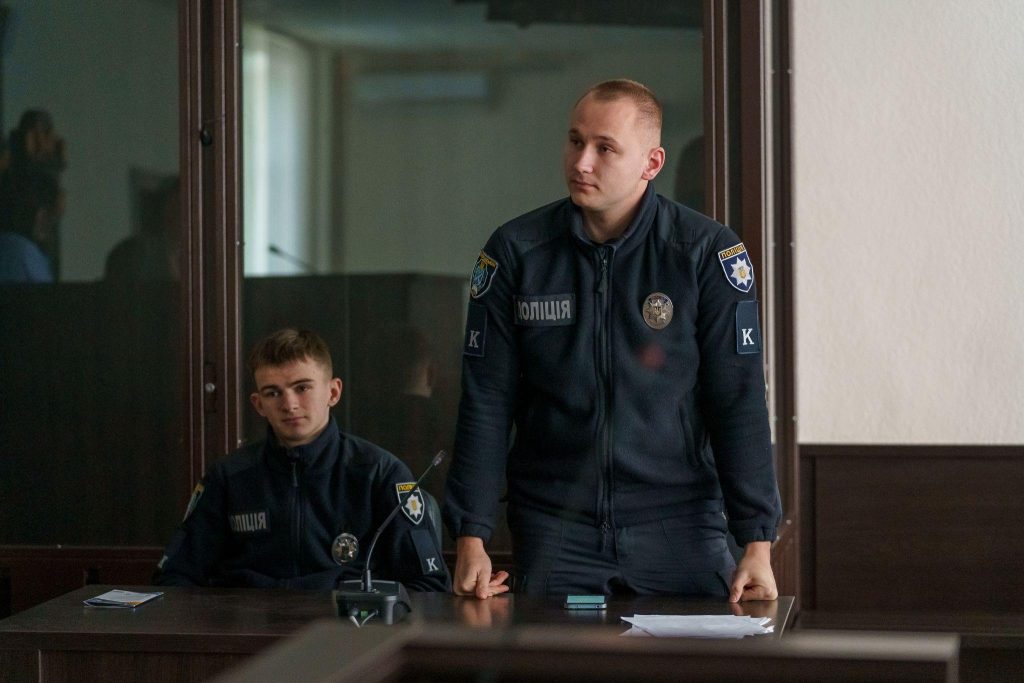
The conduct of the class in a binary format contributed to the combination of theoretical knowledge with the practical aspects of law enforcement, the development of legal thinking, professional communication and skills of procedural argumentation.
— 23