

The courses “First Aid” and “Forms and Methods of Cooperation with the Media” were organized at the Police Academy in Szczytno (Republic of Poland).
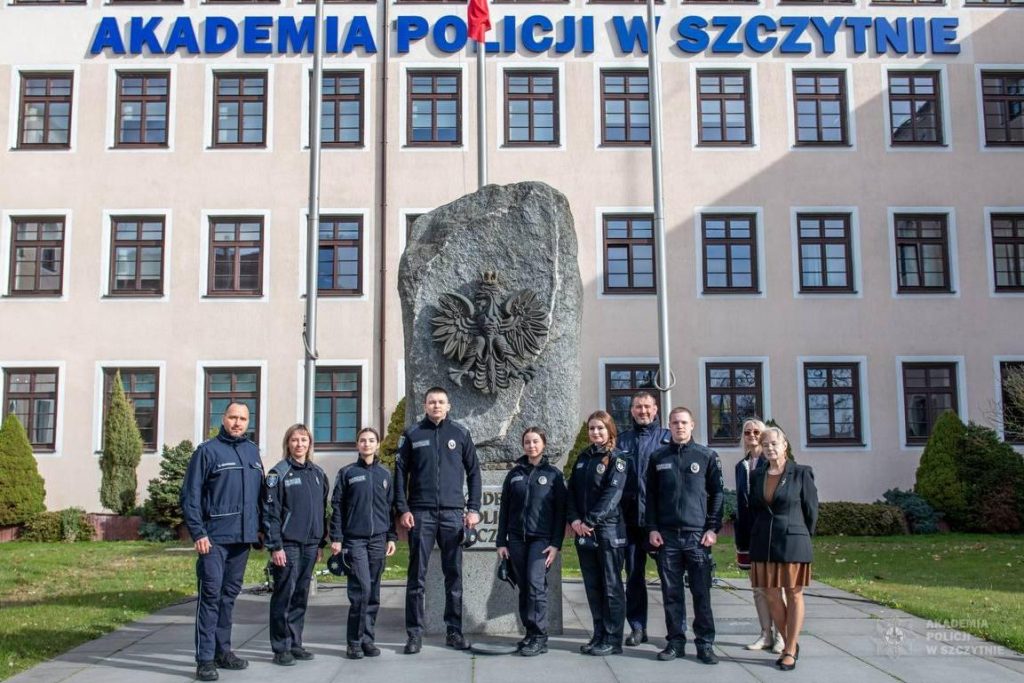
Dnipro State University of Internal Affairs was represented by Associate Professor of the Department of Tactical and Special Training, Police Lieutenant Colonel Oksana Myslyva, as well as cadets of the Faculty for Training Specialists for Criminal Police Units of the National Police of Ukraine and the Faculty for Training Specialists for Pre-Trial Investigation Bodies of the National Police of Ukraine.
At the beginning of the training, the participants met with the management and academic mobility coordinators of the Police Academy in Szczytno, including Deputy Dean of the Faculty of Public Security and Police Science, Police Captain Dr. Łukasz Kacprowycz; Head of the European Integration and International Relations Group and Erasmus+ Programme Coordinator Hanna Cwiklińska; and member of the European Integration and International Relations Team Karolina Falarz.
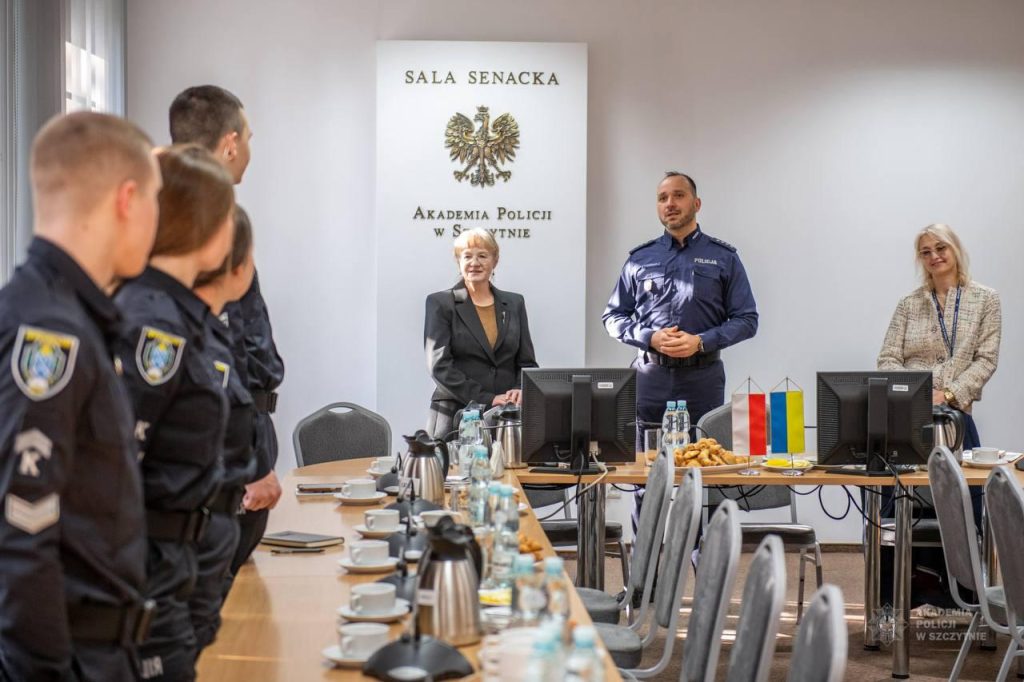
The саdets spoke about the specifics of cadet training programmes at DDUVS, changes in the educational process caused by the armed aggression of the Russian Federation, and the existing training grounds used for police training.
The cadets practiced practical skills in detaining and escorting offenders and acquired important specialized techniques for apprehending offenders using a special tool – the tonfa (a police baton with a side handle), whose design allows both offensive and effective defensive actions.
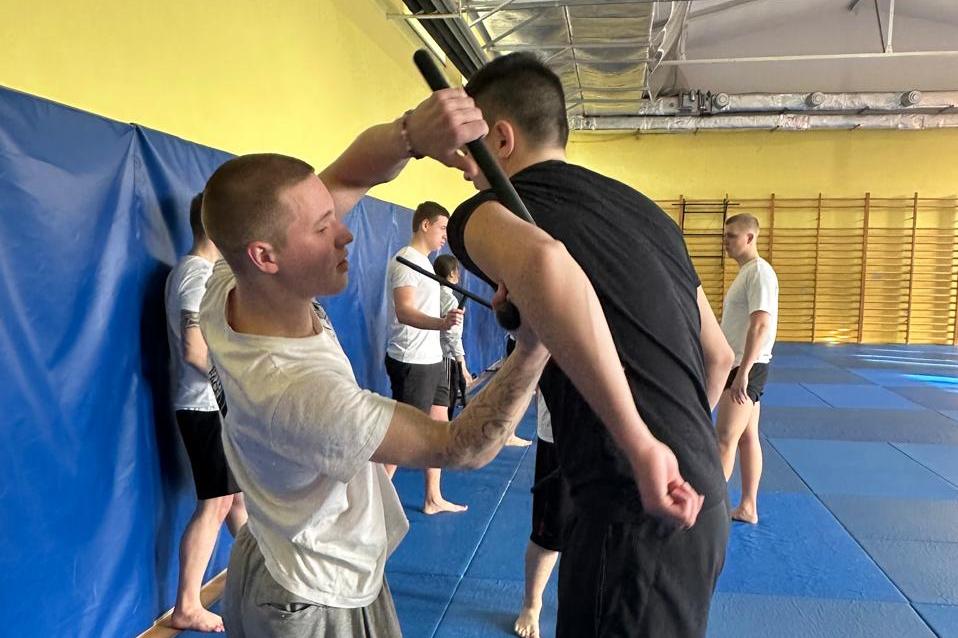
They also participated in an optional class on the safe detention of criminals and the search of premises used for criminal purposes, took part in tactical training on blocking attacks and applying safe mobility restriction techniques, as well as police actions during mass events using modern digital technologies.
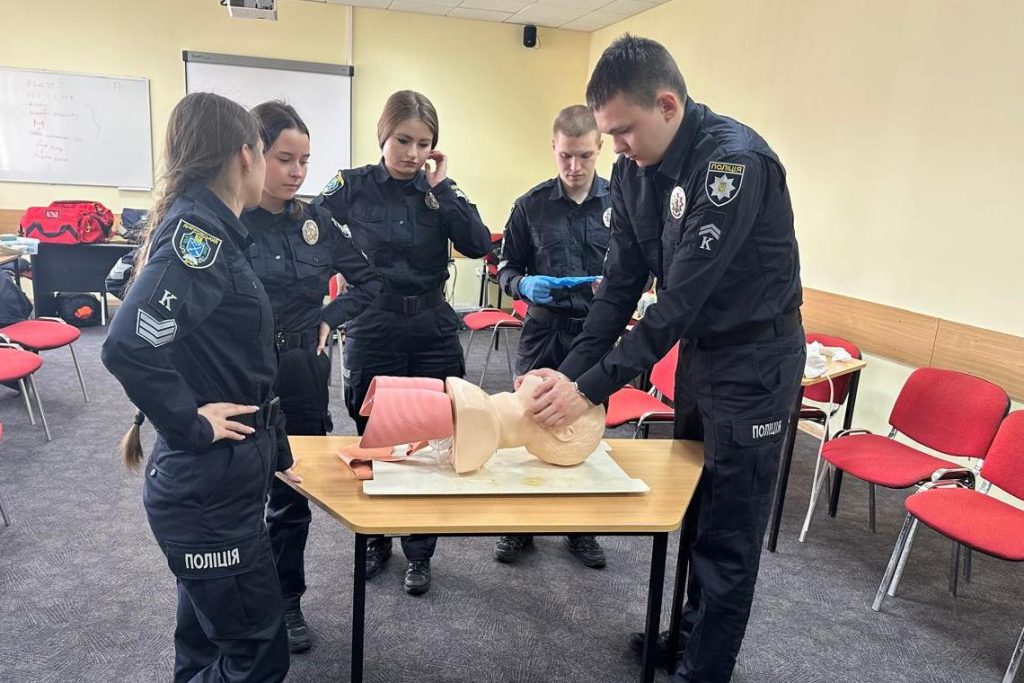
The cadets acquired skills in controlling massive bleeding, assessing airway patency, sealing chest wounds, monitoring pulse and stopping capillary bleeding, managing shock, preventing hypothermia, and assessing traumatic brain injuries.
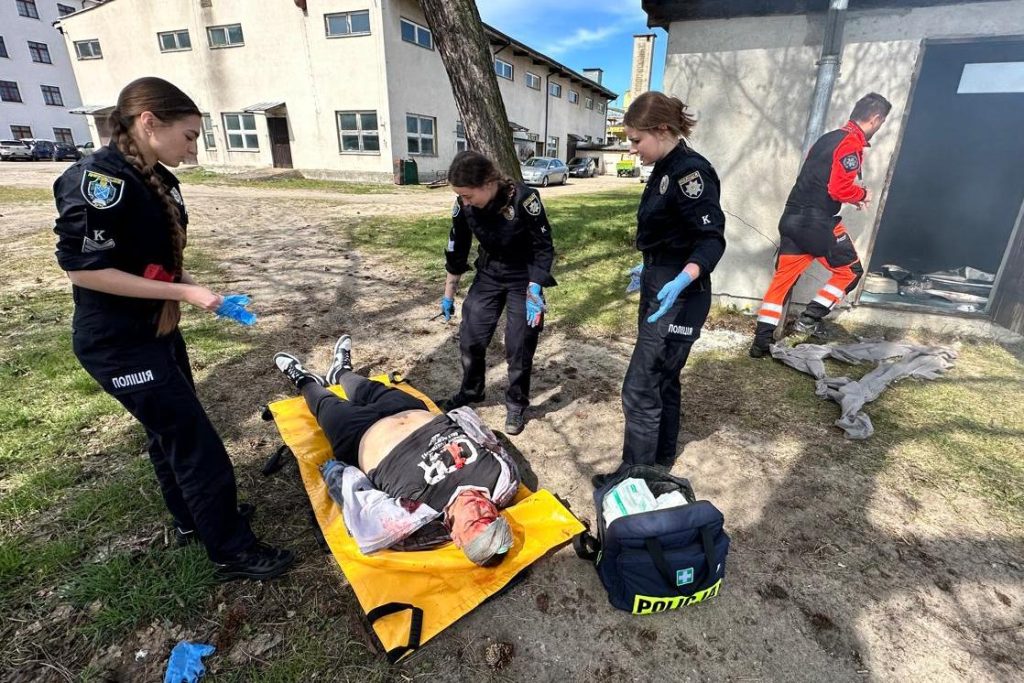
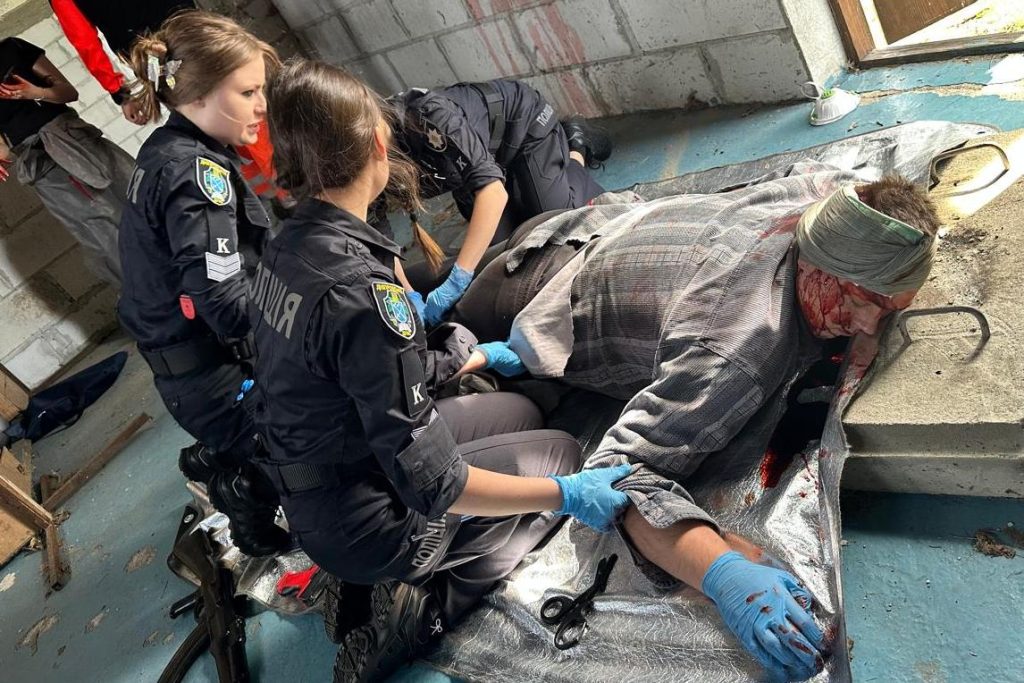
During the “Forms and Methods of Cooperation with the Media” course, participants gained a wide range of useful skills in media relations and media literacy, interview techniques (including “How to answer uncomfortable questions?”), learned about the “bridge” technique (transitioning from a journalist’s question to a key message), and developed competencies ranging from on-camera communication to strategic police reputation management.
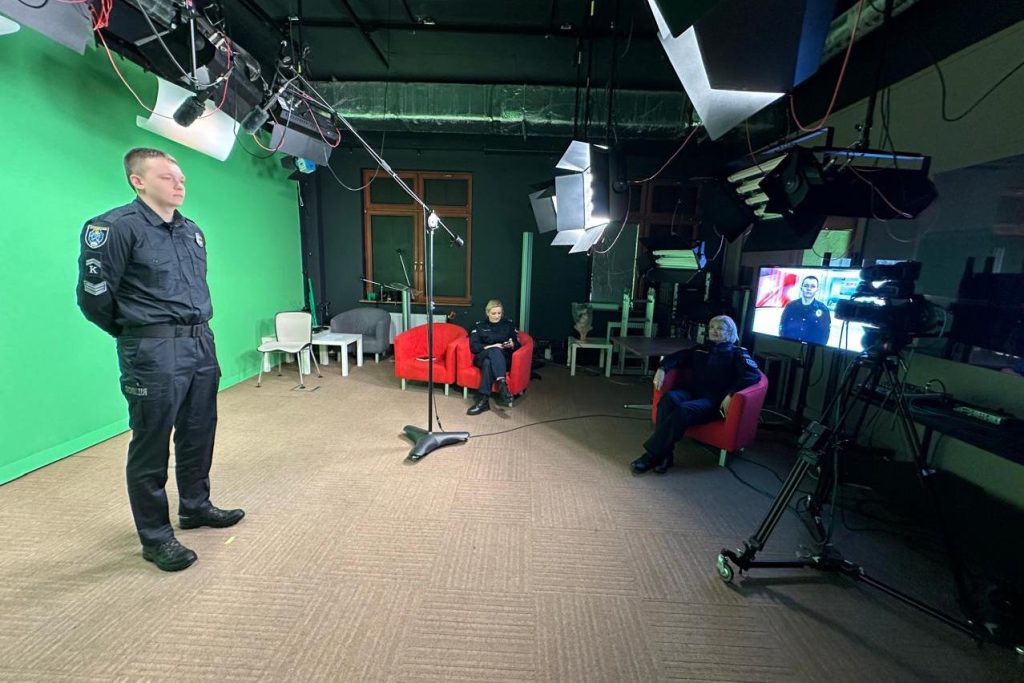
Additionally, the cadets had the opportunity to practice the detention of armed criminals using virtual reality equipment.
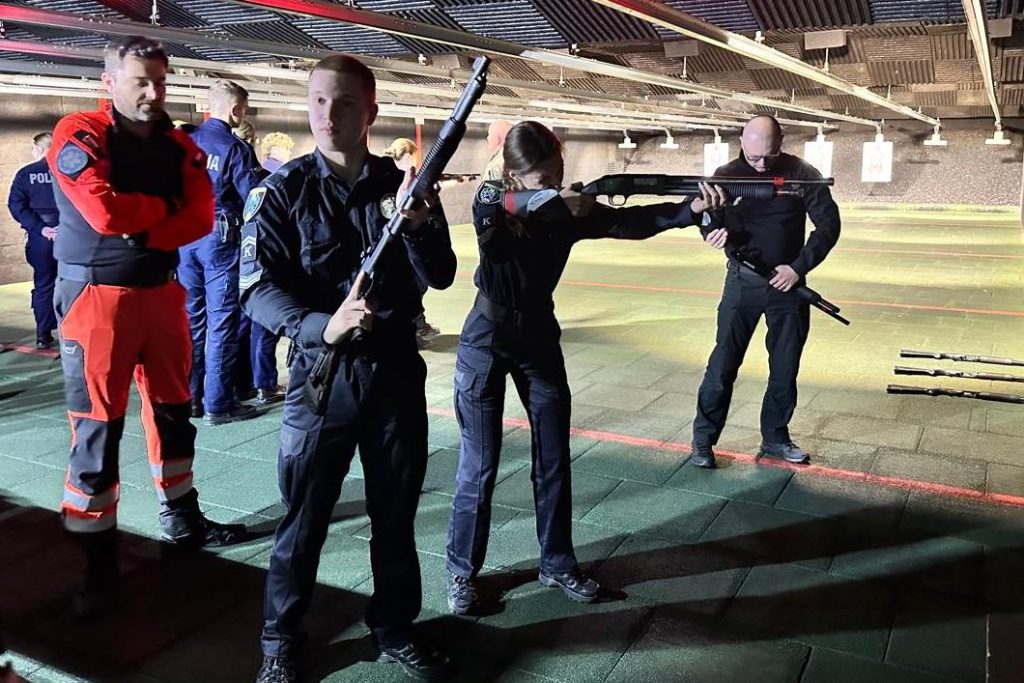
At the end of the training, the mobility participants from Ukraine were introduced to the academy’s training facilities, including the shooting range, classrooms, and laboratories.
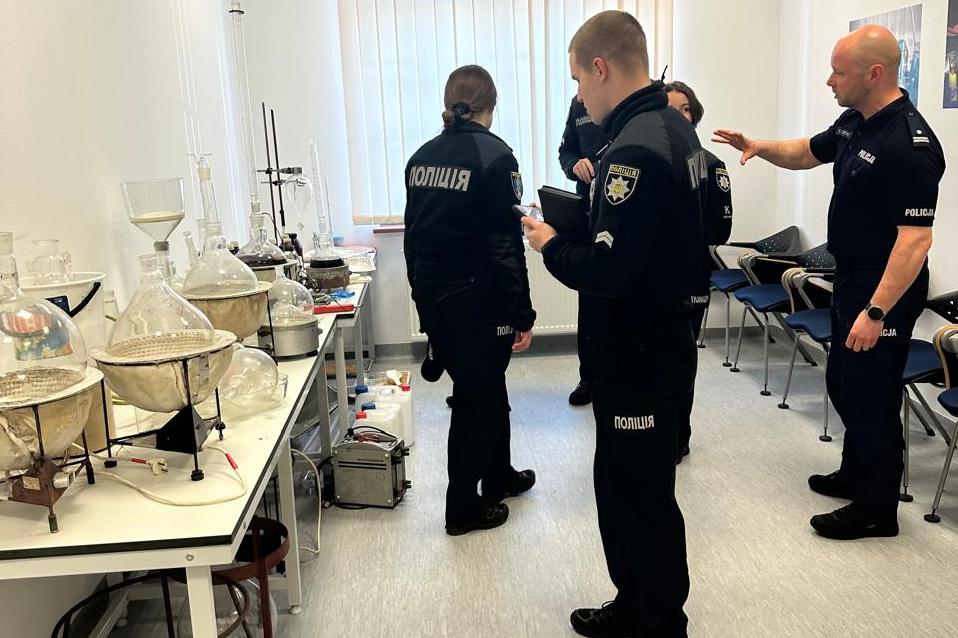
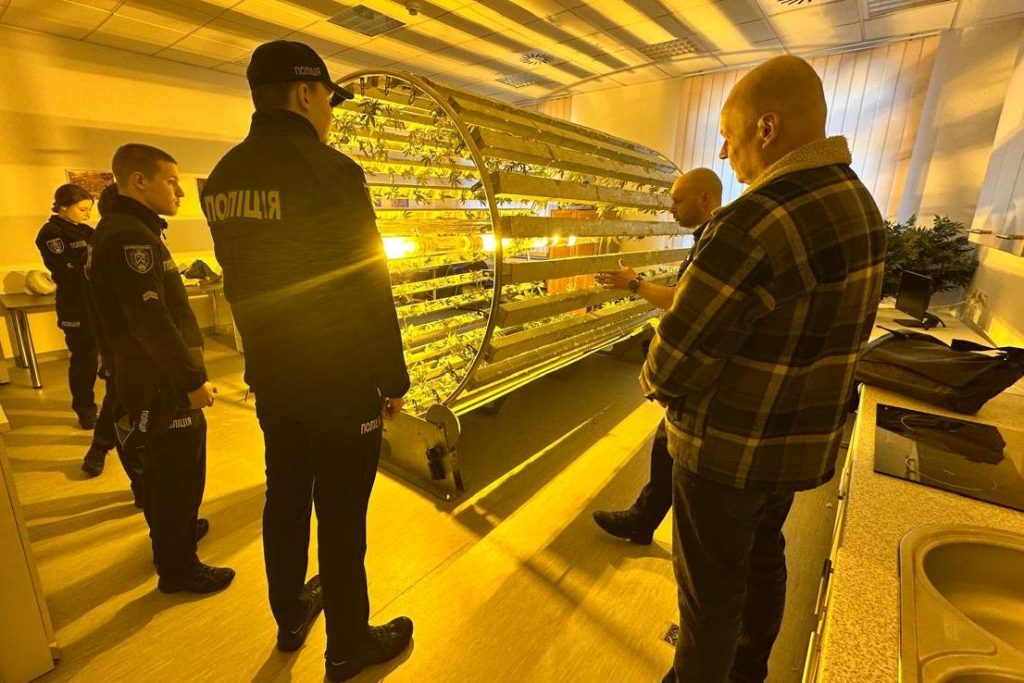
Head of the Department of Public Security Research at the Institute of Preventive Services, Police Lieutenant Colonel Dr. Robert Czerniawski, demonstrated a crisis management center simulator unique in Europe for practicing response during mass events and conducted a practical session using modern digital technologies.
The representatives of DDUVS noted the value of using such equipment in the educational process for training in public safety and order, particularly in emergency response within police operations.
Following the summary of the intensive training under the academic mobility programme, participants received certificates confirming successful completion of the training.
— 322