

The training event was held within the framework of the Erasmus+ KA1 mobility project in Mastaičiai (Republic of Lithuania).
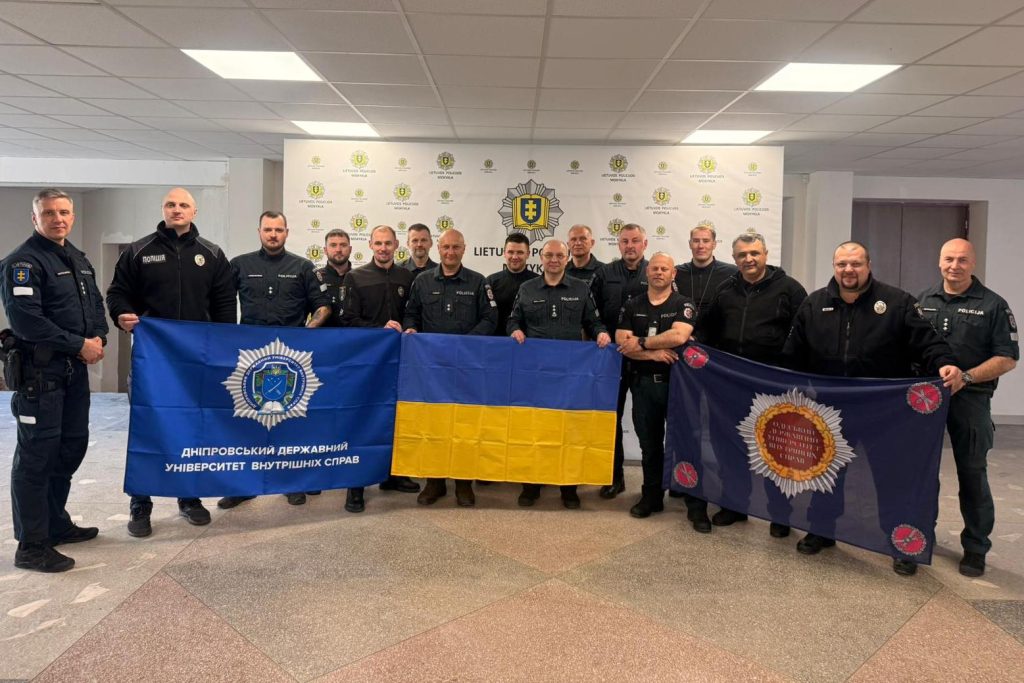
The purpose of the event was to familiarize Lithuanian colleagues with operational procedures for establishing and maintaining checkpoints and control posts to ensure effective containment measures, inspections, and verification procedures.
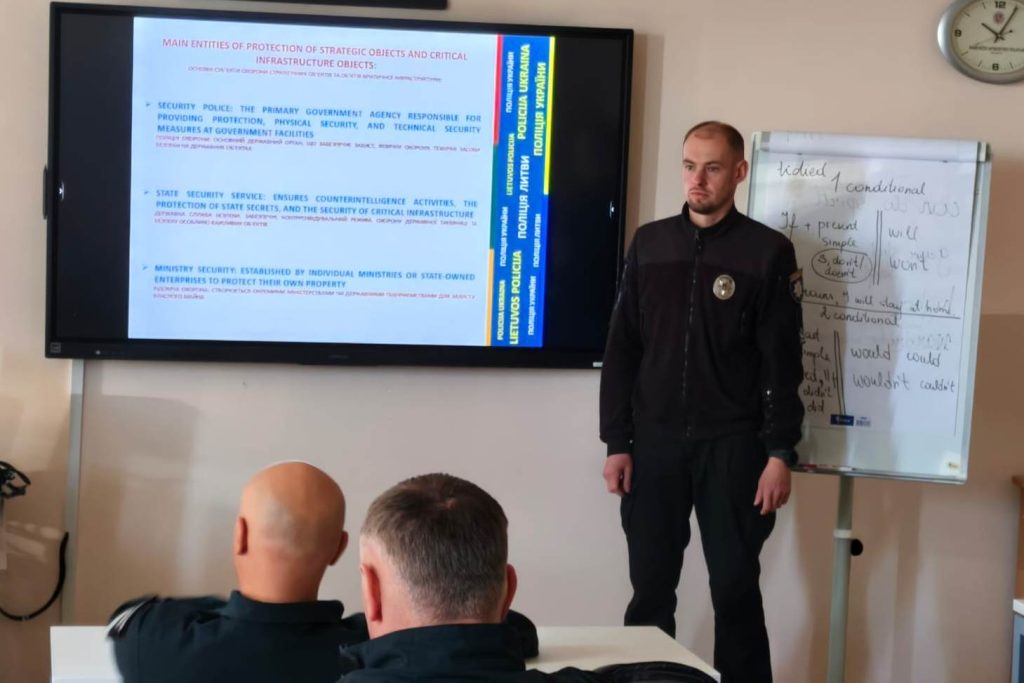
Participants practiced practical skills in maintaining public order and safety under martial law, particularly the protection of civilians while performing official duties and organizing evacuations from potentially dangerous areas. The participants also learned about the activities of Dnipro State University of Internal Affairs in integrating modern approaches and methods for crisis response into the police training educational process.
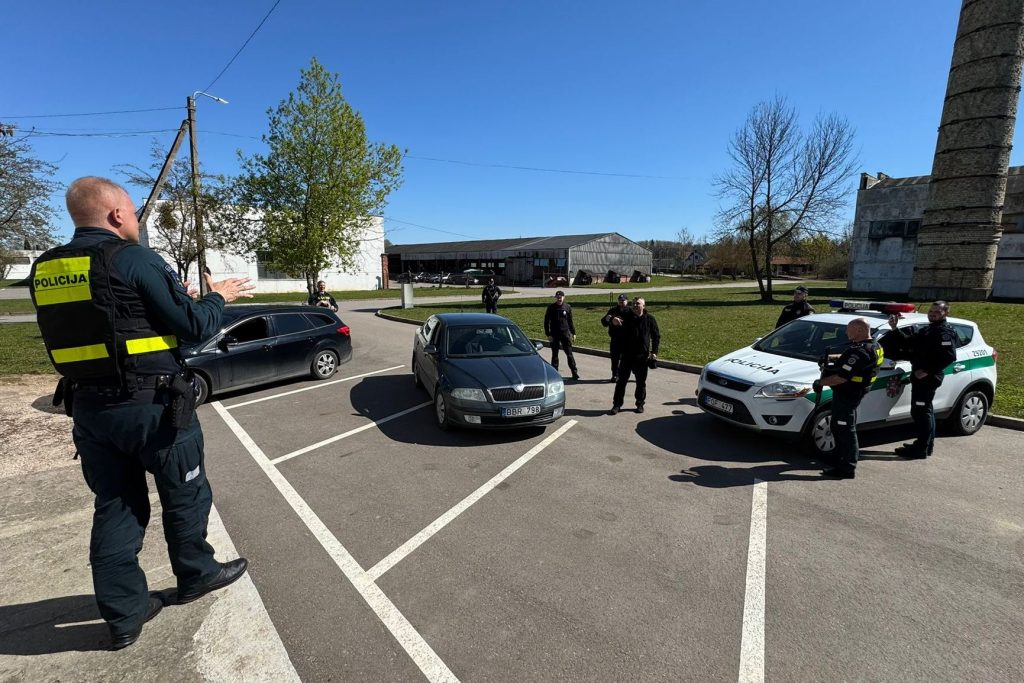
The training was conducted in the following key thematic areas: maintaining public order and safety during mobilization or under martial law; operational procedures for establishing and maintaining checkpoints and control posts; traffic regulation during emergency or military situations; tactical movement in urban environments; and basic recognition of enemy military equipment in the operational environment.
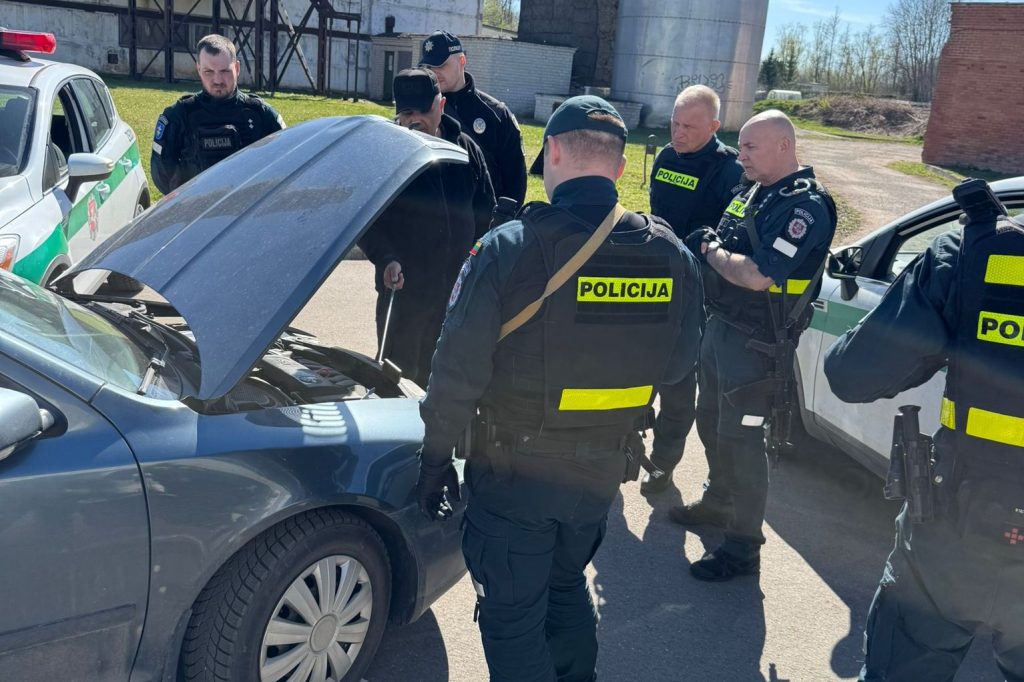
Special attention was paid to stopping and inspecting vehicles during nighttime, as well as detaining individuals found in possession of prohibited substances or items during inspections.
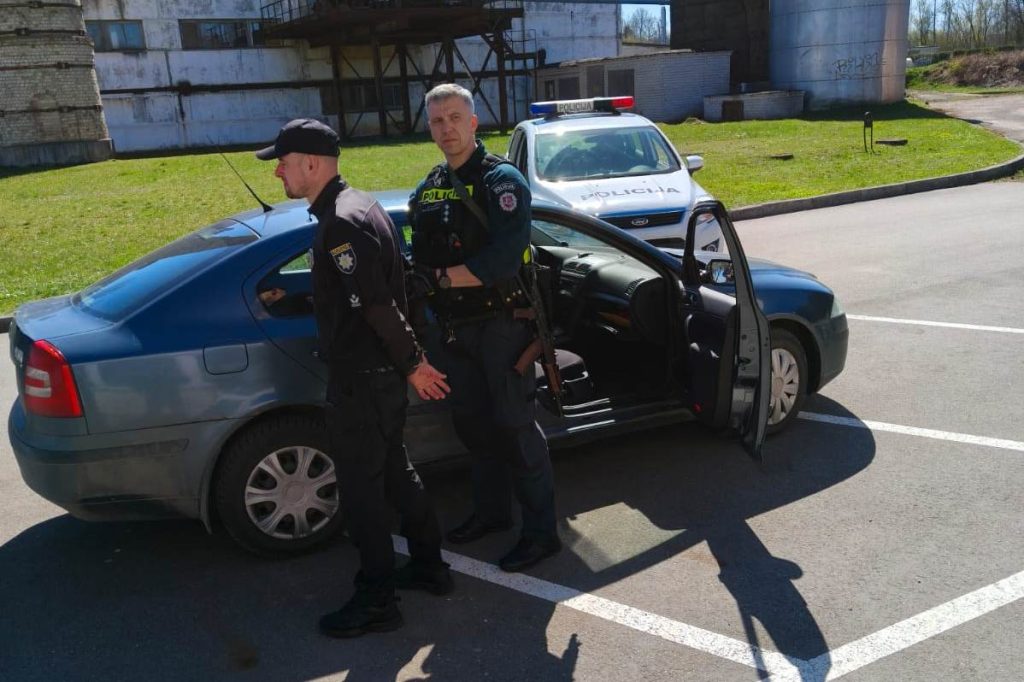
During the training, issues related to unmanned systems used by the enemy to attack police officers performing combat and service duties in de-occupied territories were also addressed.
Attention was also focused on police response to reports of explosive hazardous objects. Participants reviewed police action procedures, safety measures upon arrival at the scene, methods of identifying explosive hazards, and other related issues.
The training was accompanied by mandatory practical exercises aimed at reinforcing the theoretical material covered and developing the necessary practical skills and competencies.
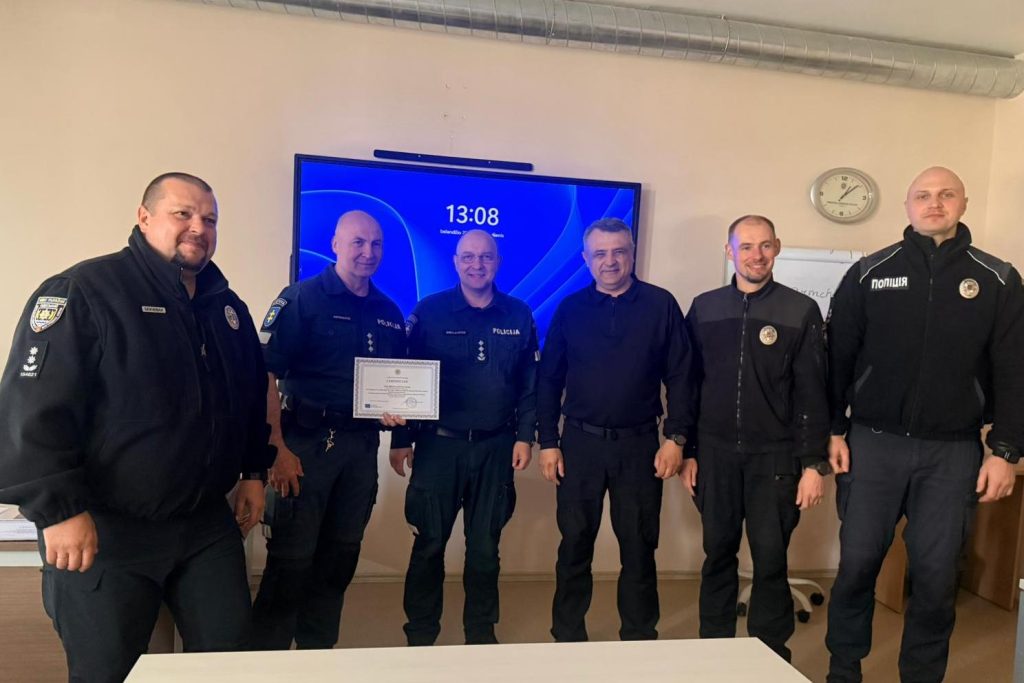
After the training, Ukrainian instructors, together with the Director of the Lithuanian Police School Robertas Šimulevičius, presented Lithuanian instructors with certificates of participation.
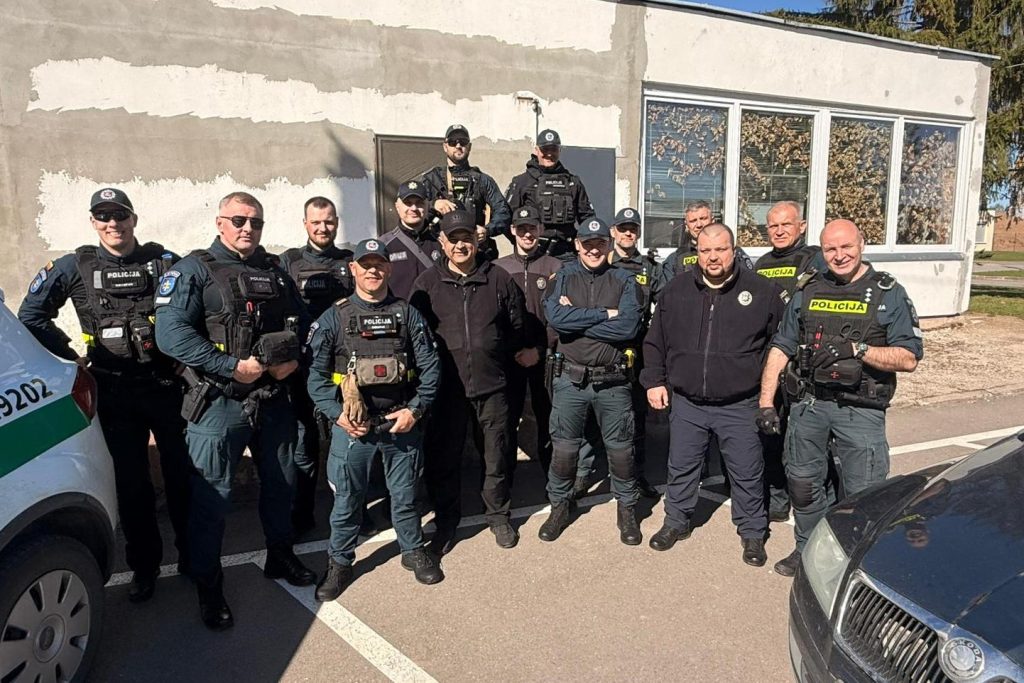
The participants informed Lithuanian colleagues about the current situation in Ukraine resulting from the armed aggression of the Russian Federation. They discussed the implementation of new personal safety standards for police officers while serving at checkpoints, in de-occupied territories, when responding to incidents in frontline areas, and the threats posed by enemy UAVs. They also discussed changes introduced to the police training process in response to current challenges, including the unification of curricula for practice-oriented disciplines, particularly the academic subject “Tactical and Special Training.”
— 288