

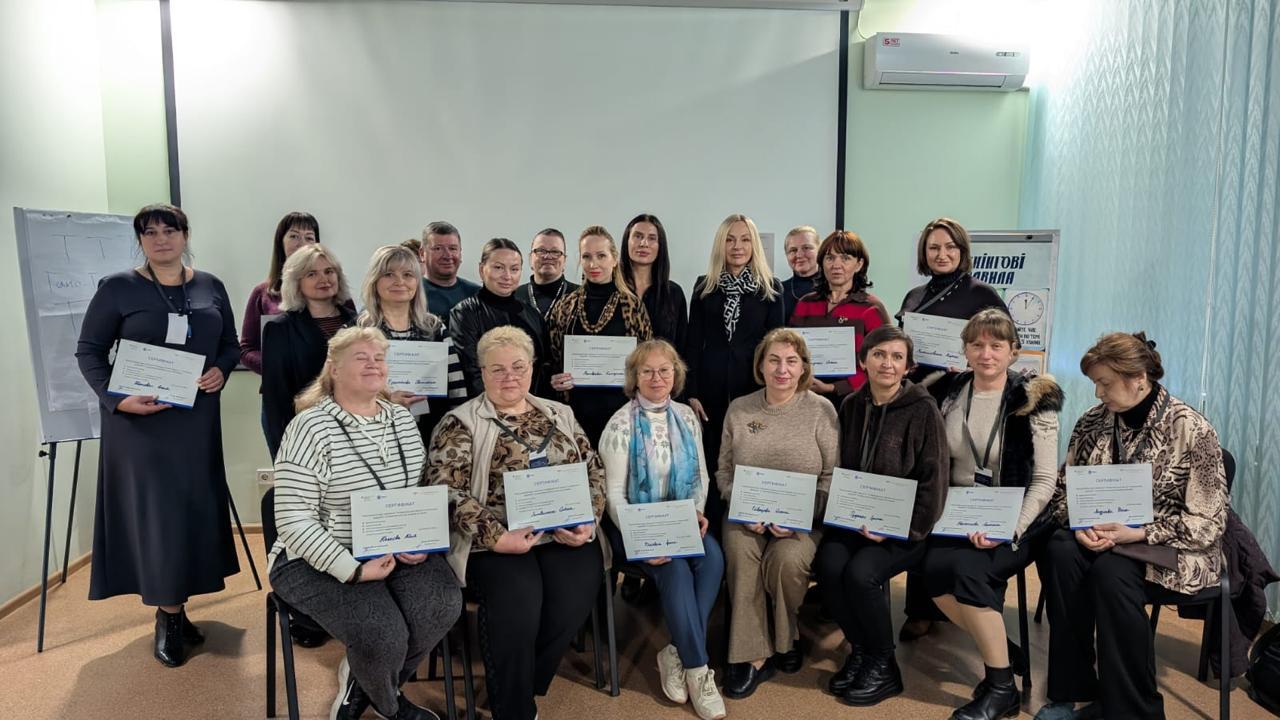
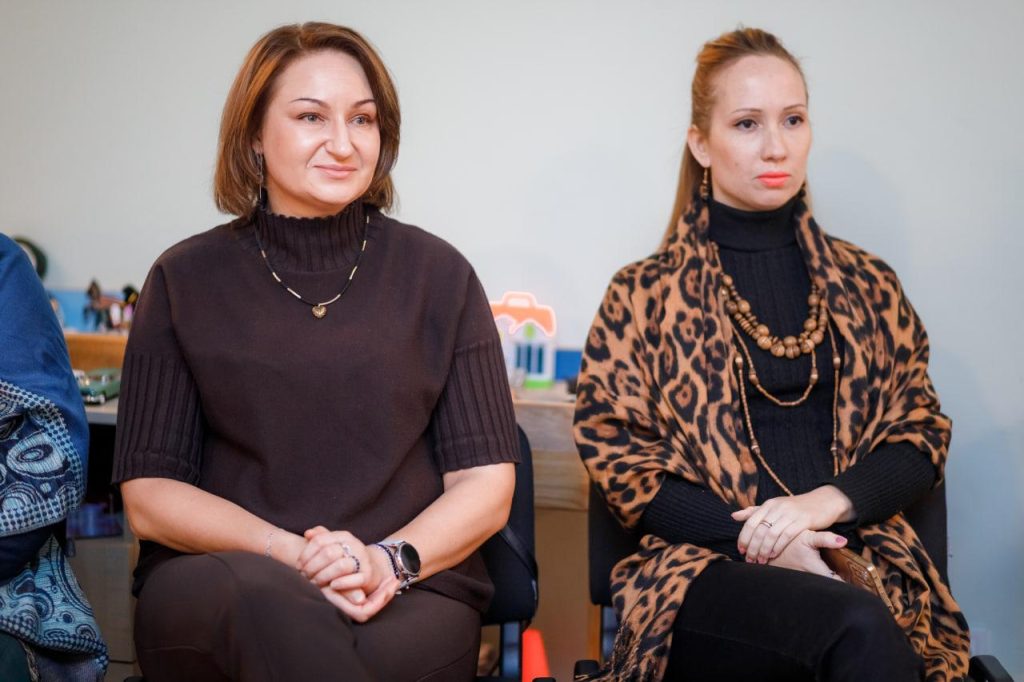
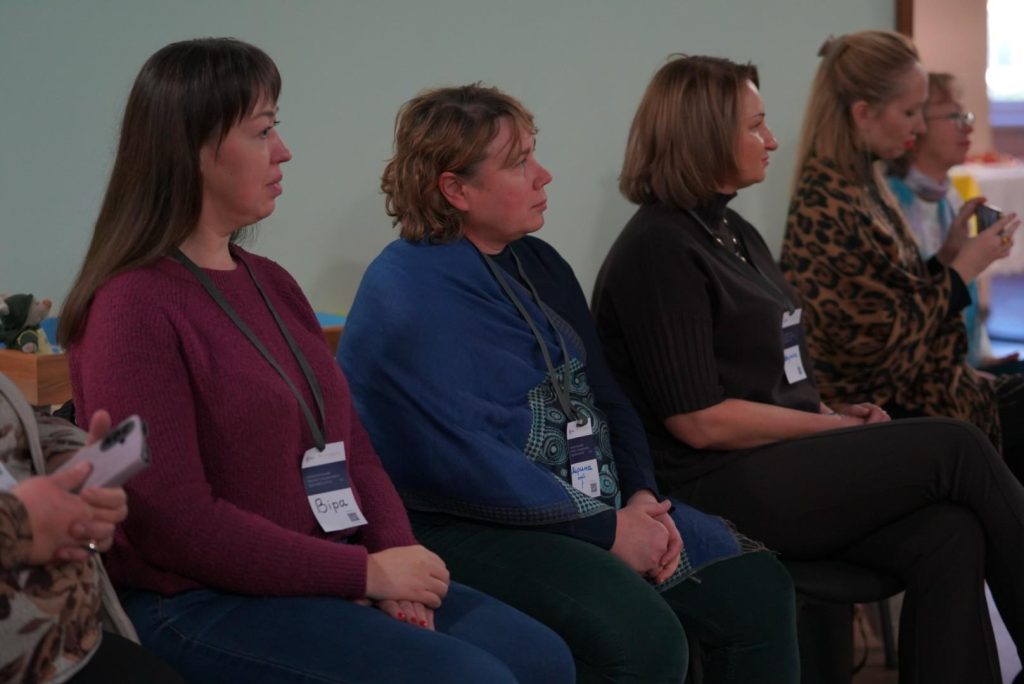
The training brought together 16 professionals, including practical psychologists and social pedagogues from preschool, general secondary, extracurricular, vocational (vocational and technical), and professional pre-higher education institutions.
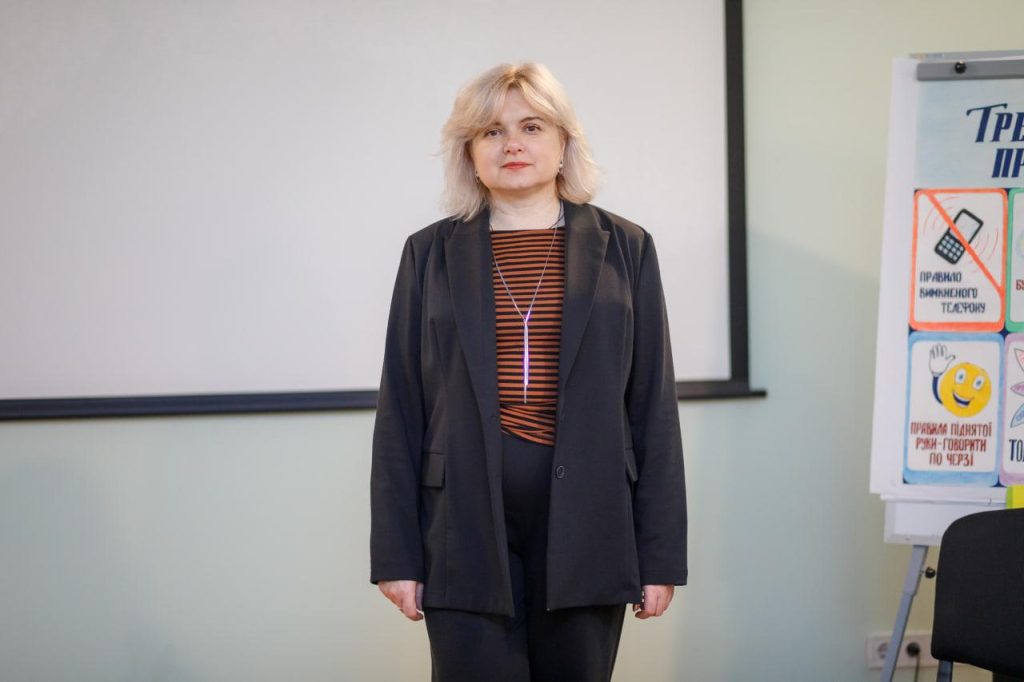
The event was opened by Larisa Nalyvaiko, Assistant to the Rector of DSUIA for Gender Issues, who welcomed the participants and emphasized the particularly important role of psychological support services within the education system under martial law. She wished the participants professional resilience, inspiration and success in their responsible work, which requires not only solid professional knowledge but also the ability to preserve their own resources and maintain a consistent commitment to mental health and well-being.
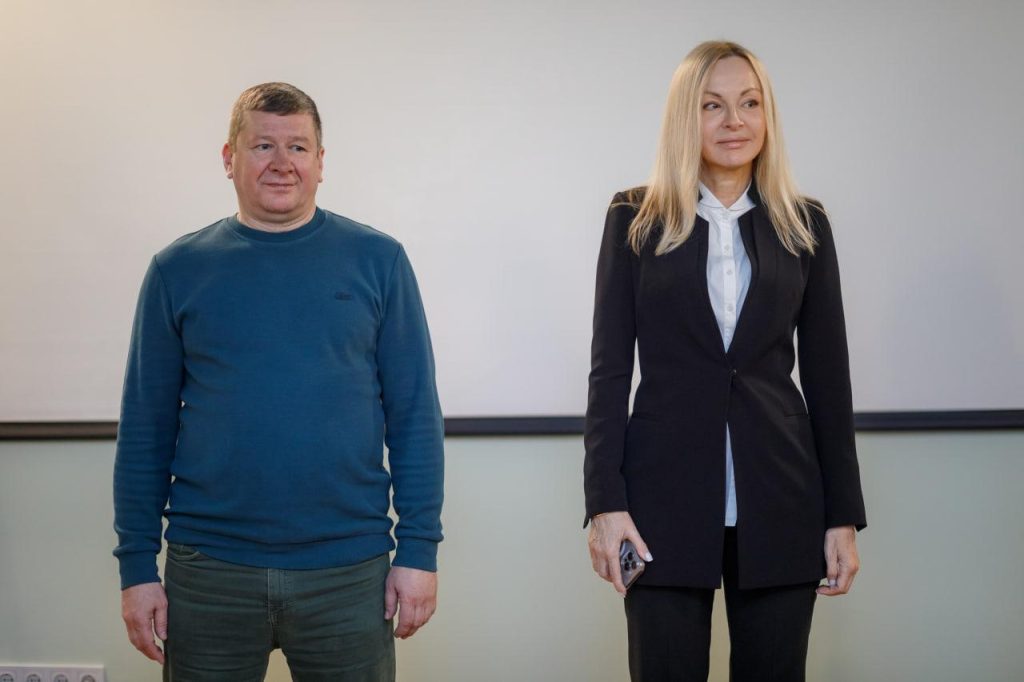
The training was conducted by Serhii Vyshnevskyi, Head of the Psychological Support Unit at DSUIA, and psychologist Hanna Mhlynets. Participants represented Dnipro Gymnasiums No. 20, No. 34, and No. 40; Dnipro Lyceum No. 42; Synelnykove Lyceum No. 2; Slobozhanske Lyceum; the O. Hostishchev MIA Lyceum for Security Studies and National-Patriotic Education in Dnipro; the Municipal Palace of Children and Youth; Preschool Institutions No. 7 and No. 292 of the Dnipro City Council; Dnipro Polytechnic Professional College; Dnipro Professional College of Energy and Information Technologies; the Motor Transport Professional College of Dnipro University of Technology; and the Dnipropetrovsk Regional Methodological Resource Center.
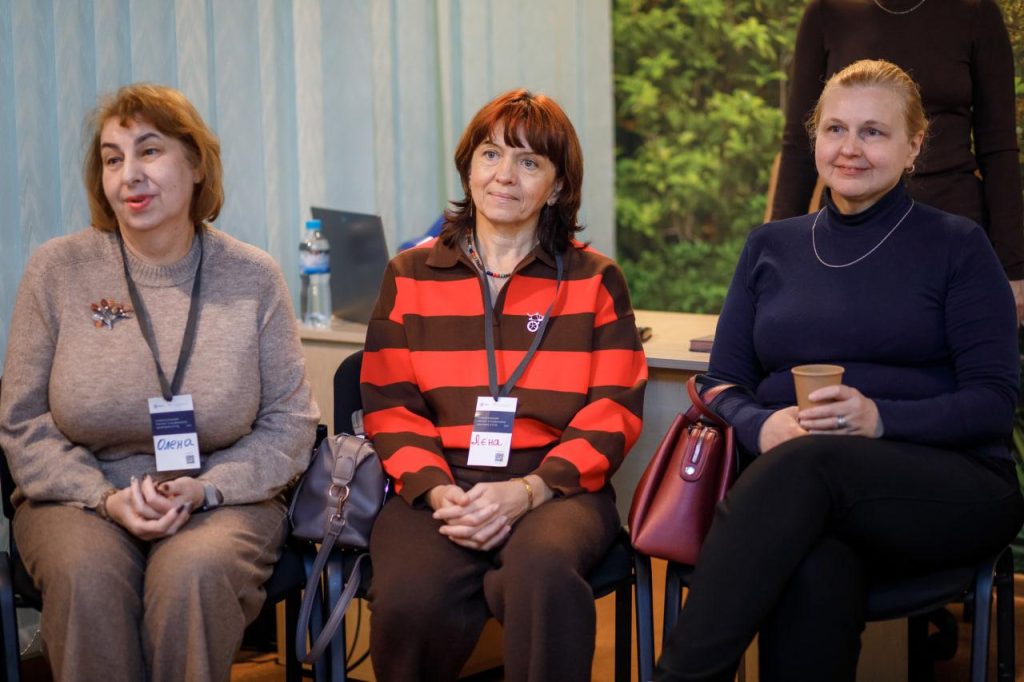
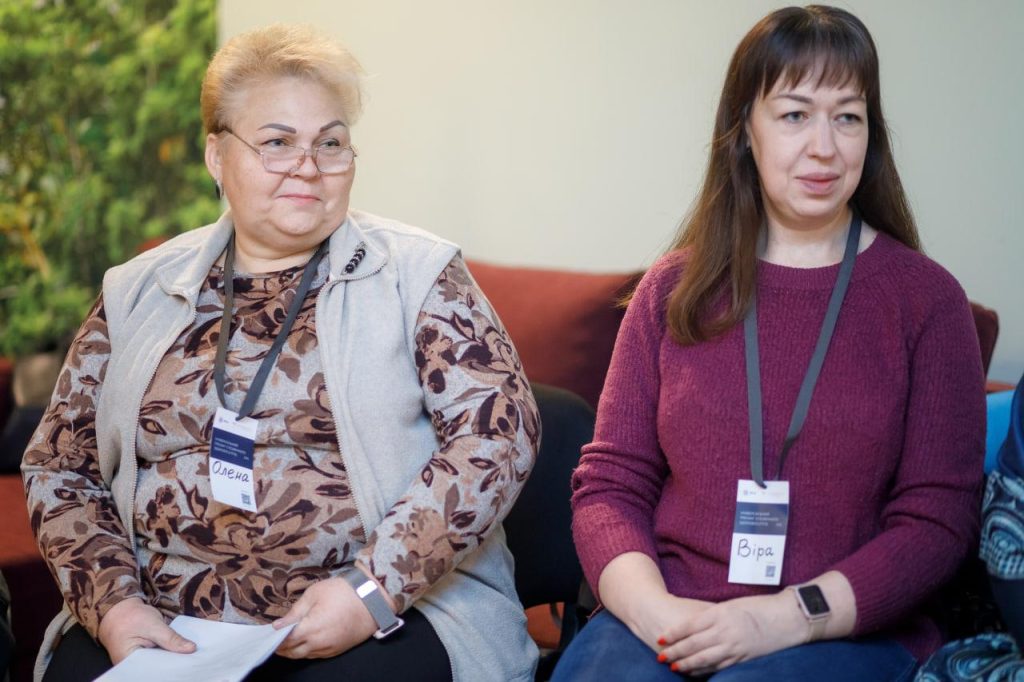
The training course aimed to deepen participants’ understanding of mental well-being, foster a culture of mental health care and strengthen practical skills for supporting themselves and others under martial law.
Taking into account the participants’ professional backgrounds, particular attention was paid to organizing psychological support for learners; cooperation between practical psychologists, teaching staff, parents and children’s legal guardians; and defining the respective roles and responsibilities of educational institution psychological services and specialists within the mental health care system. The training also covered referral procedures for individuals requiring specialized assistance.
A separate module focused on the impact of war on mental health. Participants explored the ways children, adolescents and adults respond to acute and chronic stress, traumatic experiences, loss, forced displacement and prolonged uncertainty. The training also addressed the specific challenges of providing psychological support to learners during air raid alerts, while sheltering, and in remote and blended learning environments. In addition, participants reviewed the principles of psychological first aid for people affected by armed aggression.
Throughout the training, participants worked through procedures for identifying signs of the most common mental health disorders and practiced techniques for emotional stabilization, self-help and preventing professional burnout.
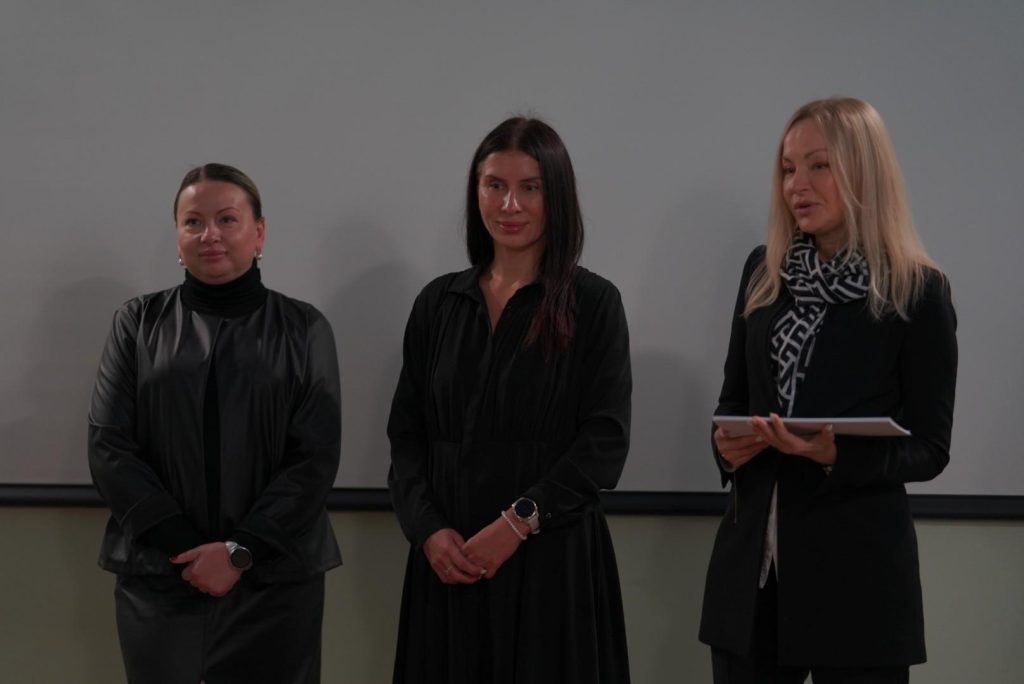
Certificates of completion and workbooks containing practical support guidelines were presented by Viktoriia Nazarenko, freelance adviser to the Head of the Dnipropetrovsk Regional Military Administration on mental health and local coordinator of the national mental health program How Are You?; Anna Horodnichenko, regional coordinator of the Mental Health for Ukraine (MH4U) project in Dnipro and Dnipropetrovsk Region, Zaporizhzhia, and Kharkiv; and Larisa Nalyvaiko, Assistant to the Rector of DSUIA.
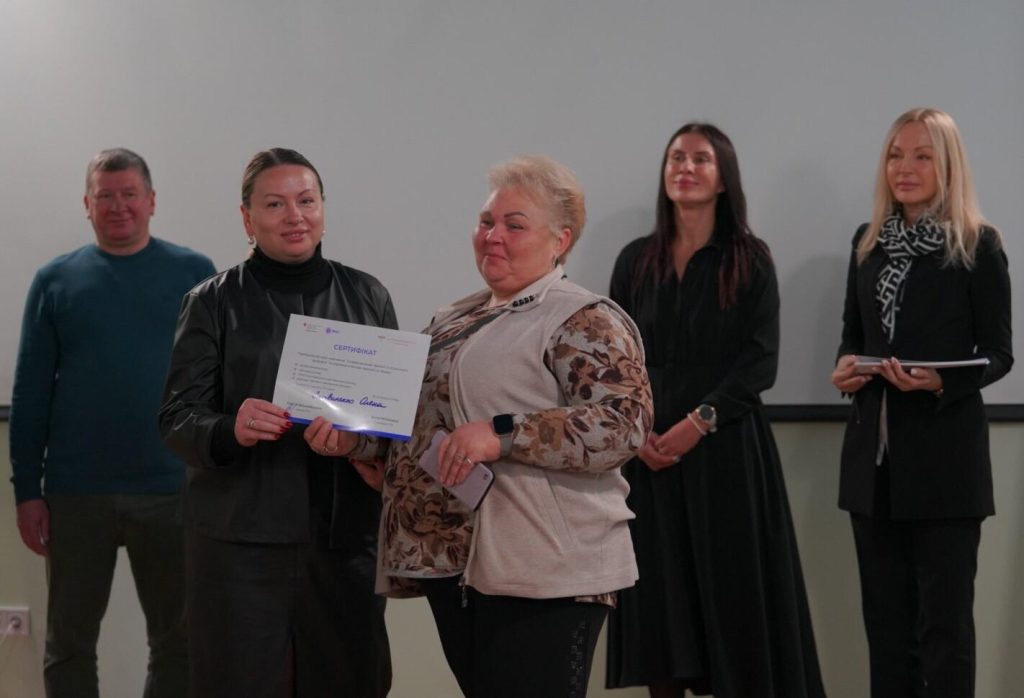
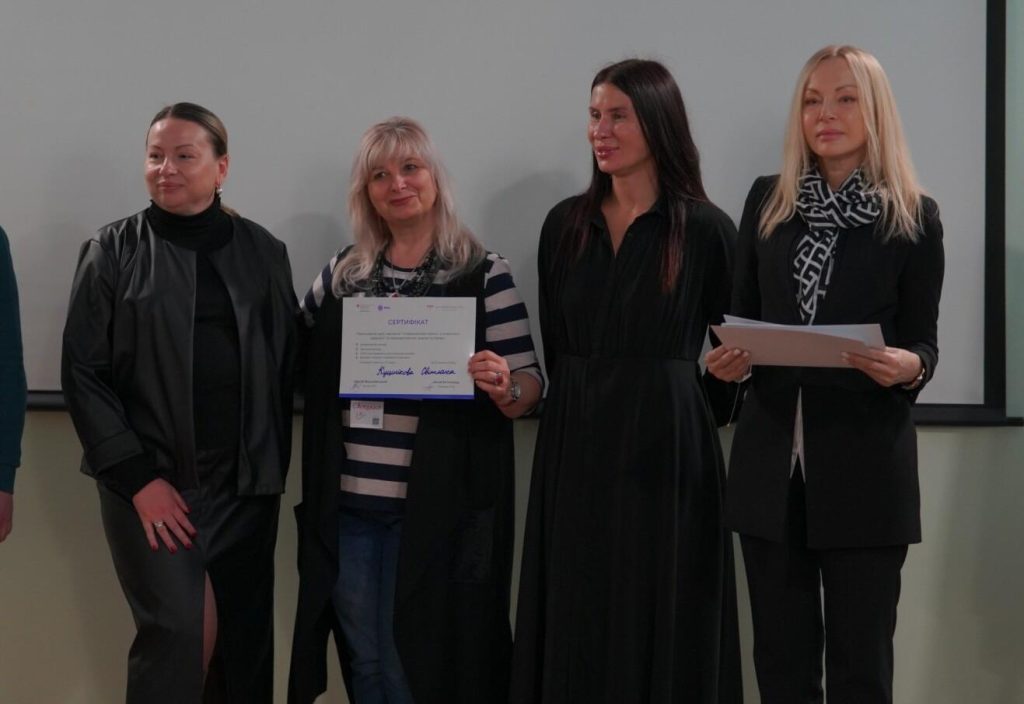
The participants expressed their sincere gratitude to the organizers and trainers, highlighting the practical value of the knowledge and skills they had acquired for their professional work in educational institution psychological support services.
The event was organized with the support of the Swiss-Ukrainian project Mental Health for Ukraine (MH4U), which supports mental health care reform in cooperation with the Ministry of Health of Ukraine.
— 9