

The training session was held for third-year university students to help them better understand the professional role of a police officer, their personal motivation and their responsibility for decisions made in the line of duty.

The central focus of the session was the role of professional identity as cadets transition from theoretical training to practical duties. As noted by the event organizer, psychologist Alina Horodnychenko, this is a particularly important stage when future police officers need to develop a clear understanding of the values, principles and professional standards that will guide their future careers.

Participants discussed how professional identity develops through education, personal choices, discipline, teamwork and an understanding of the police’s role in society. It was emphasized that belonging to the profession is defined not by wearing a uniform or holding a position, but primarily by upholding the law, respecting human dignity, adhering to ethical standards and exercising official powers responsibly.
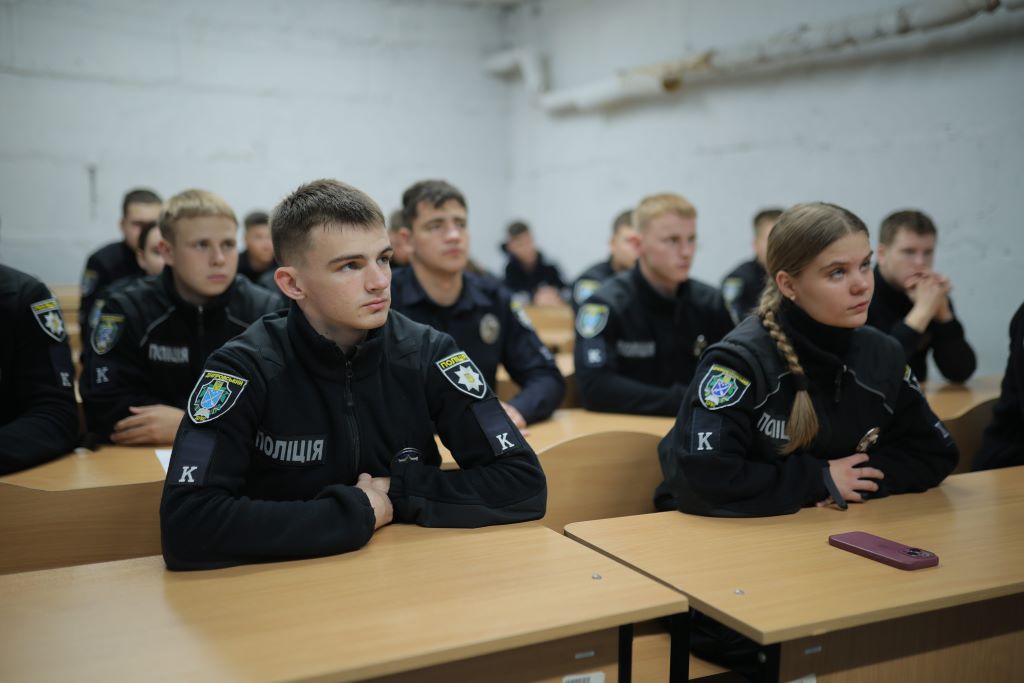
The practical part of the session included discussions of professional scenarios, teamwork and guided reflection. This format allowed cadets to assess their strengths, understand the limits of police authority and consider public expectations of law enforcement officers. They also worked on developing self-control, sound decision-making and constructive communication with colleagues and members of the public.


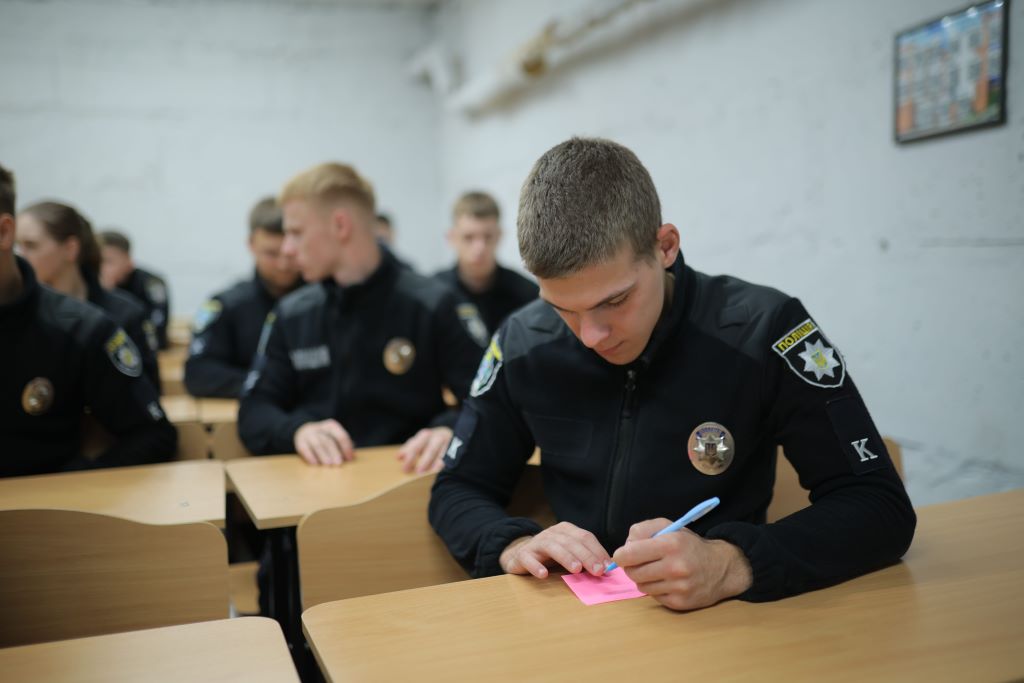
Professional identity begins to take shape long before an officer starts working independently and requires continuous personal development. That is why psychological support throughout the educational process at DSUIA is an important component of training future police officers who are prepared to perform their duties conscientiously, act responsibly, and serve the interests of society.
— 6