

Representatives of Dnipro State University of Internal Affairs continue to introduce school students to the educational opportunities offered by the University, the specifics of training future law enforcement officers and career prospects in the National Police of Ukraine.
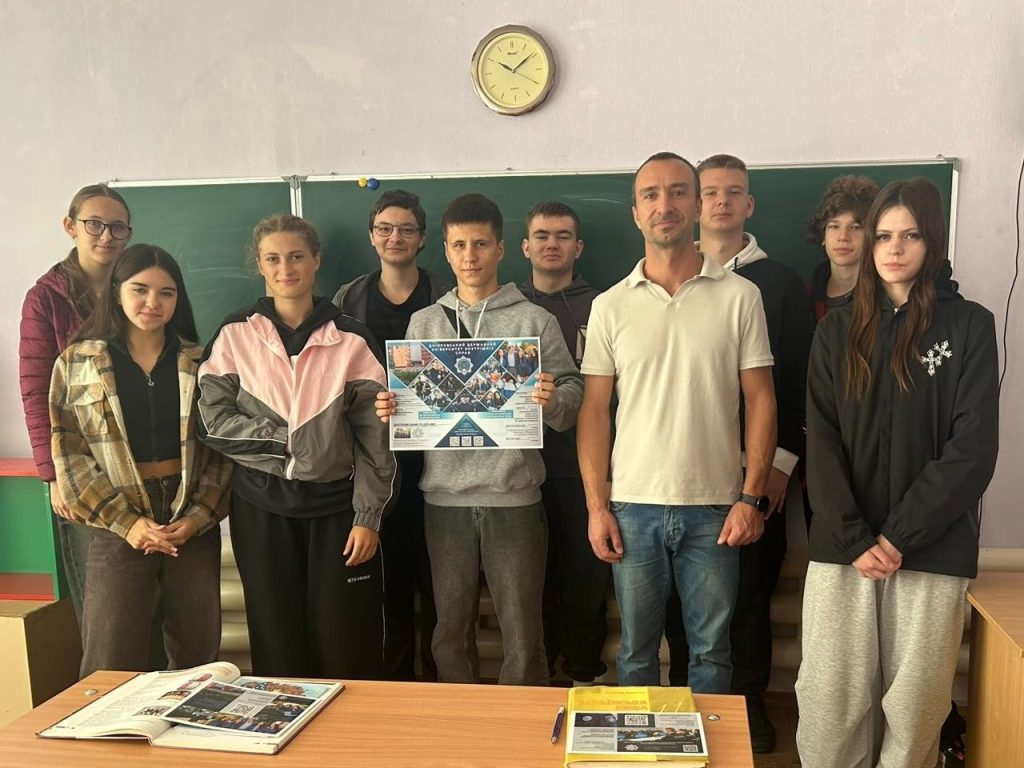
A career guidance meeting with 11th-grade students at Dnipro Lyceum No. 70 was conducted by Police Major Andrii Kyselov, Associate Professor at the Department of Operational and Investigative Activities of the Faculty for Training Specialists for the Criminal Police Units of the National Police of Ukraine. He introduced the students to the Faculty, explained the work of criminal police units and outlined the specifics of police service after graduation. The students also received answers to their questions about admission requirements, the educational process and cadets’ living conditions.
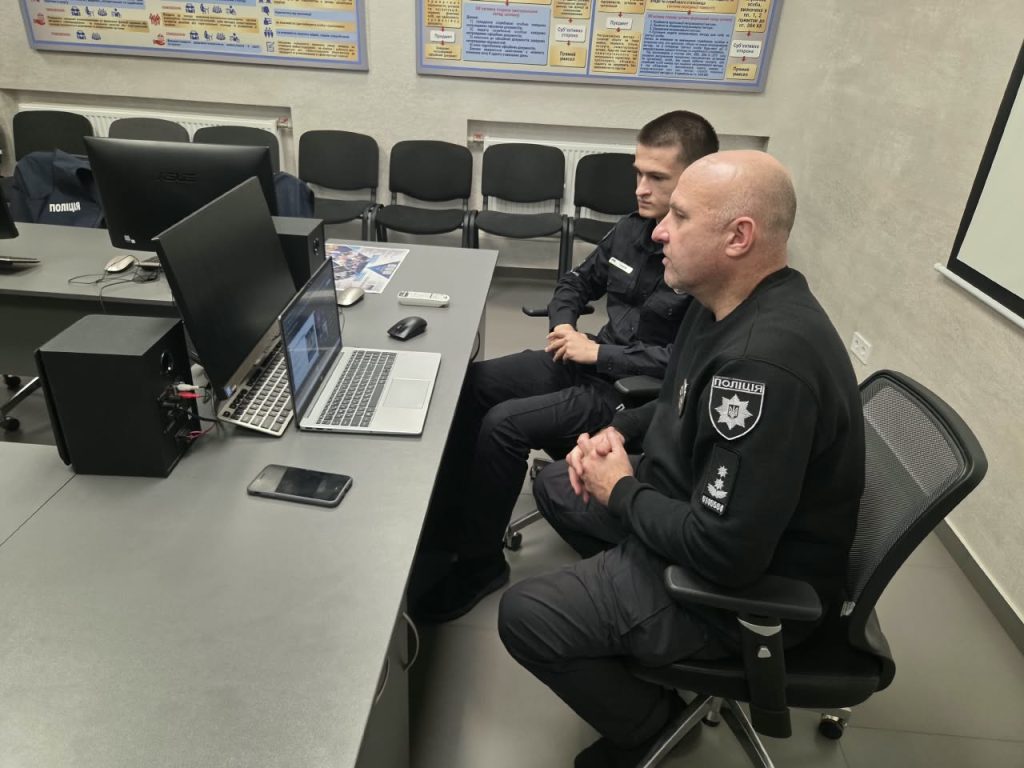
Police Lieutenant Colonel Ihor Shevchenko, Deputy Dean of the Faculty for Training Specialists for the Pre-Trial Investigation Bodies of the National Police of Ukraine, together with University cadets, held an online meeting with graduating students of Kryvyi Rih Lyceum No. 95. The participants learned about the work of pre-trial investigation units, admission requirements at DSUIA and the organization of the educational process. Particular attention was paid to training facilities and forensic laboratories, where cadets develop practical skills in crime scene documentation and criminal investigation.
Davyd Haboyan, a student at the Educational and Research Institute of Law and Innovative Education, also took part in the career guidance initiative. As part of the “Visit Your Former School” program, he met with students at Kamianske Lyceum No. 13. He provided prospective applicants with guidance on the application process, preparation for entrance examinations and opportunities for professional development after graduation.
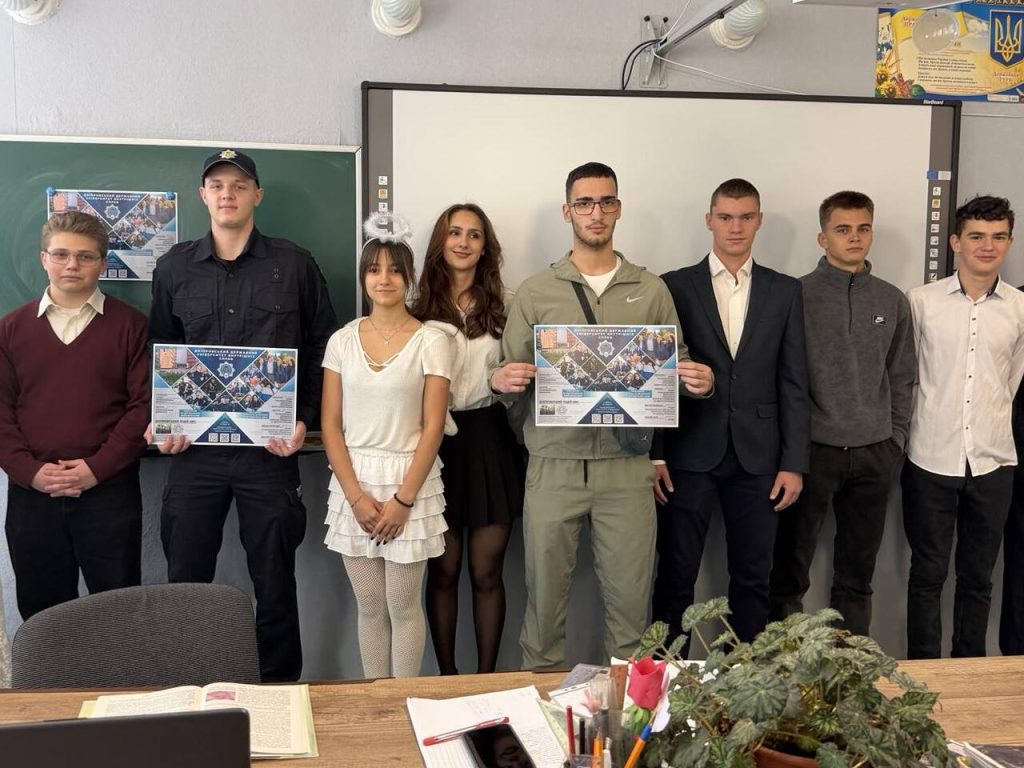
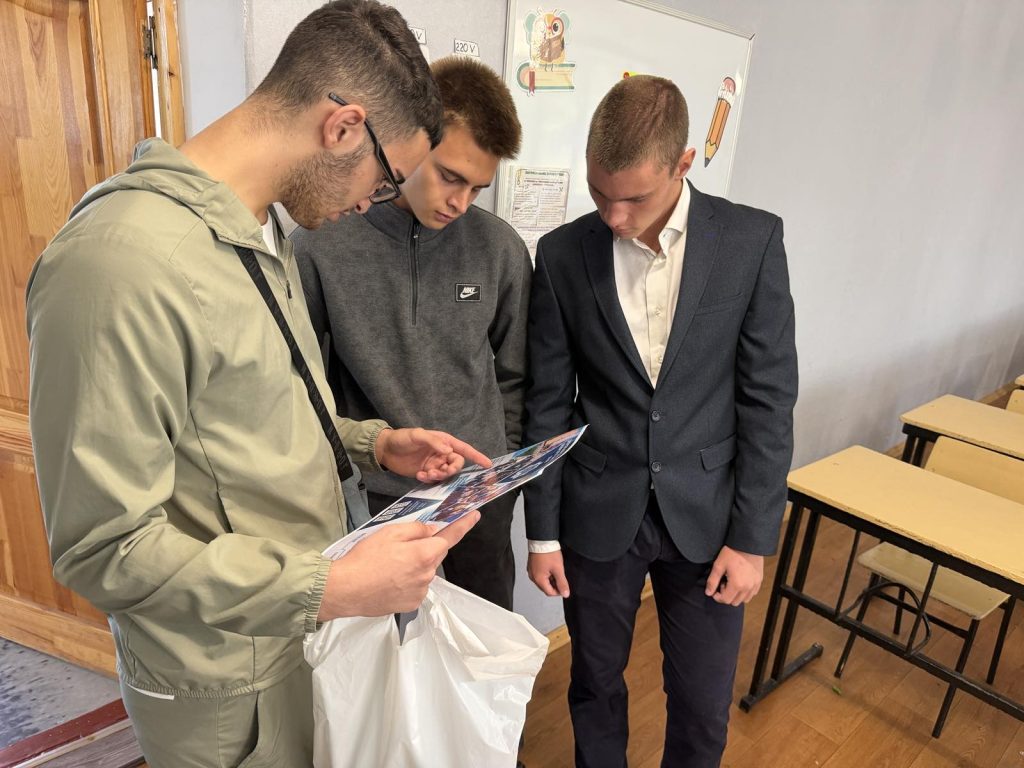
These initiatives help high school students obtain up-to-date information about admission to the University, explore different areas of law enforcement and assess their own professional interests. Direct communication with DSUIA representatives, police officers and students enables young people to gain a better understanding of their future profession and make more informed decisions about their further education.
— 16