

The event was organised and held at DSUIA with the support of the Ukrainian-Swiss project “Mental Health for Ukraine” (MH4U), which implements mental health care reforms in cooperation with the Ministry of Health of Ukraine.
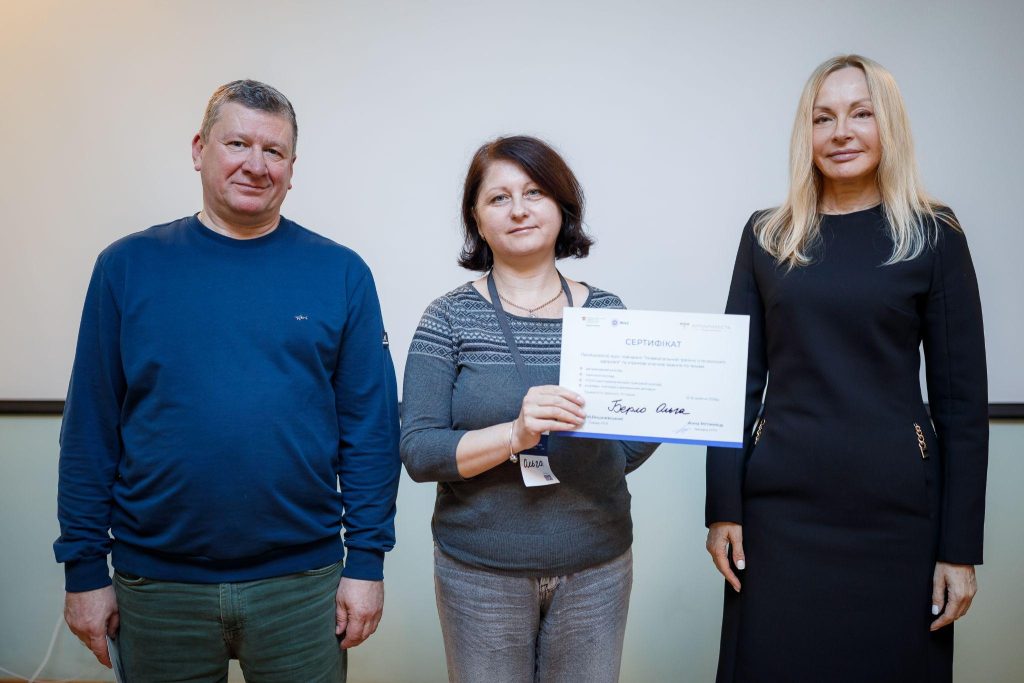
The event was opened by Larуsa Nalyvaiko, Assistant Rector of DSUIA for Gender Issues. She emphasised that caring for mental health is an integral part of the professional responsibilities of specialists who work with and support children on a daily basis. She wished the participants resilience, inner strength, and motivation during this challenging wartime period.
The training was attended by 16 members of the management and teaching staff of Dnipro Lyceum No. 67 “Dzherelo” of the Dnipro City Council. Their work involves educating and supporting students, as well as interacting daily with their parents and legal guardians.
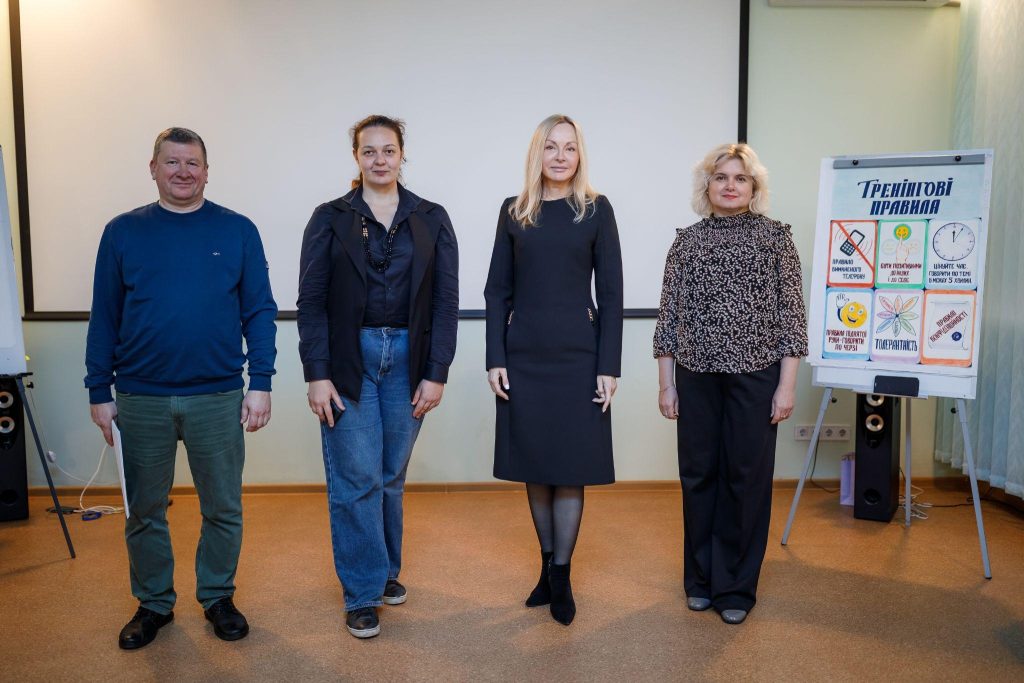
The training was delivered by Serhii Vyshnevskyi, Head of the DSUIA Psychological Support Unit, and psychologist Hanna Mhlynets.
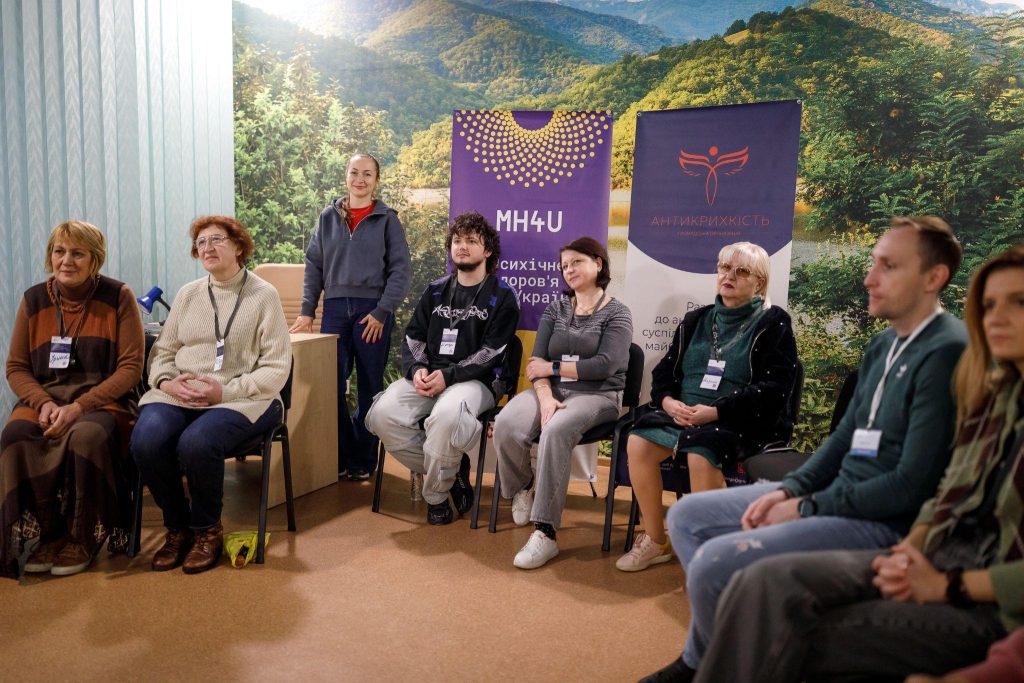
The course aimed to raise awareness of mental well-being, promote a culture of mental health care, and develop practical skills for supporting oneself and others under martial law. Taking into account the specific nature of the institution’s work, particular attention was paid to the emotional demands placed on managers and teaching staff, the prevention of professional burnout, and the establishment of constructive and safe interactions with students, parents, and legal guardians.
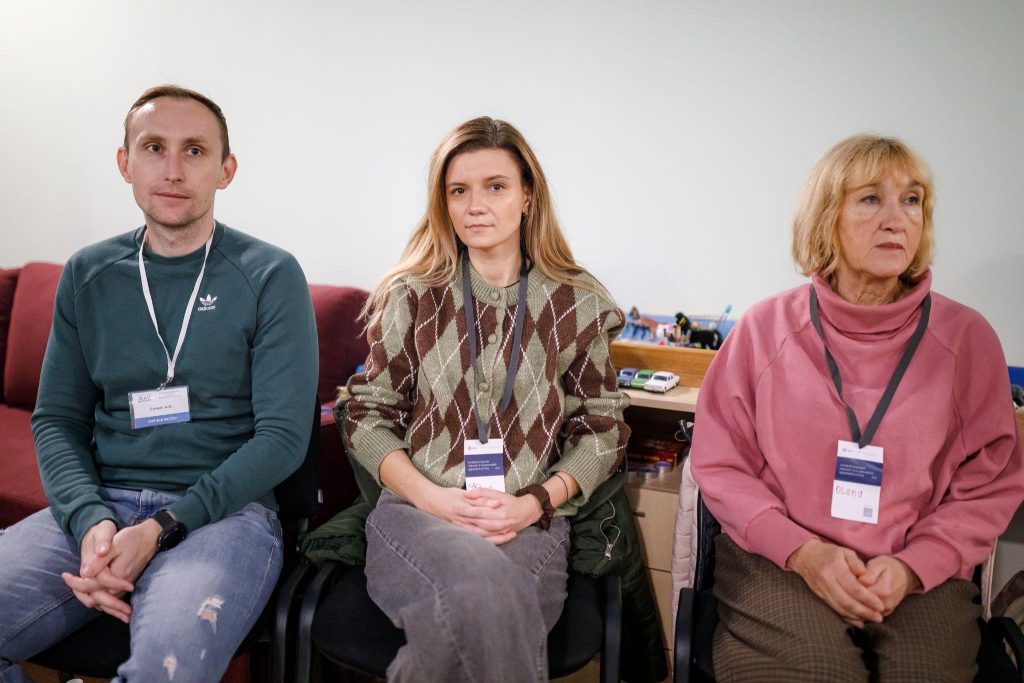
A separate module addressed wartime mental health issues, including how children and adults respond to acute and chronic stress, traumatic experiences, loss, forced displacement, and prolonged uncertainty. Participants also examined the specific features of psychological support for students during air raid alerts, while staying in shelters, and when their usual learning environment changes. The principles of psychological first aid for people affected by armed aggression were also discussed.
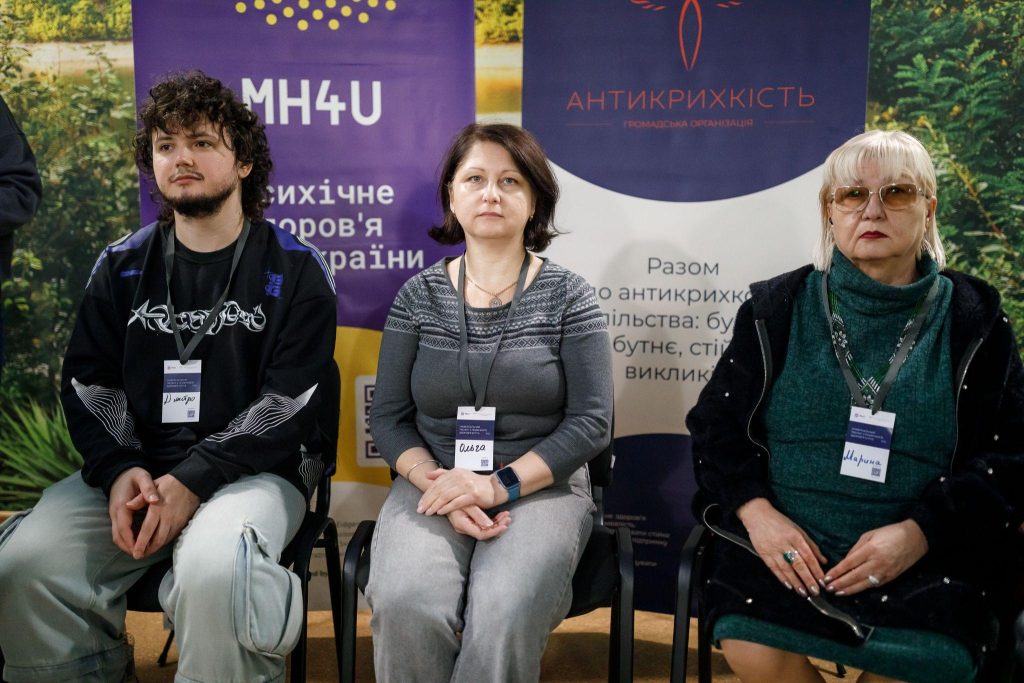
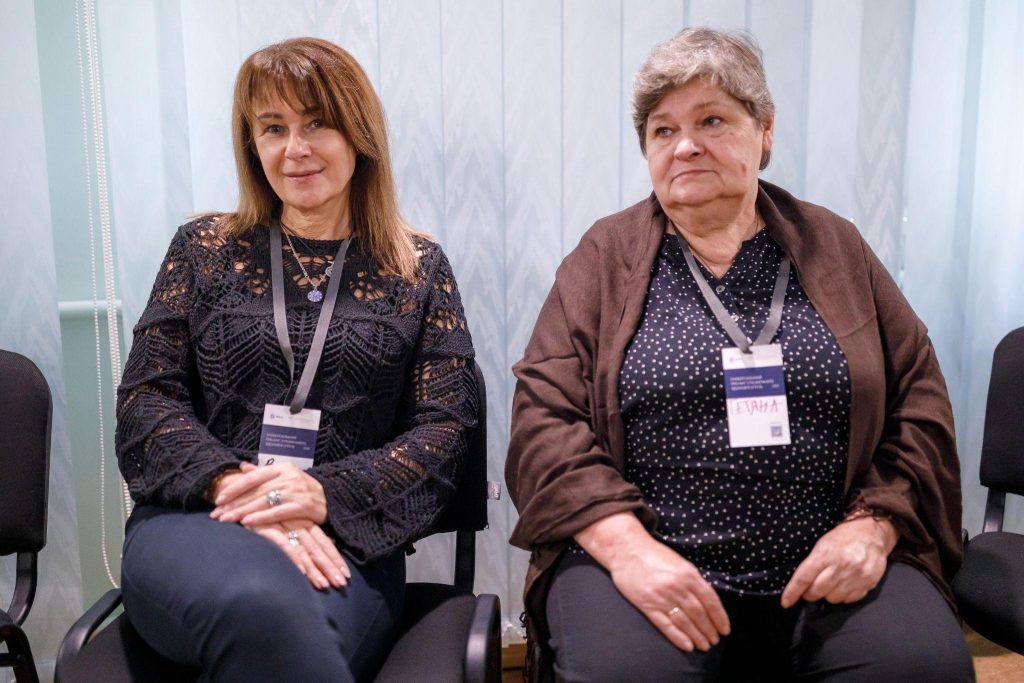
During the training, participants learned procedures for identifying signs of the most common mental health disorders. They also practised effective exercises for emotional stabilisation, self-help, and preventing professional burnout.
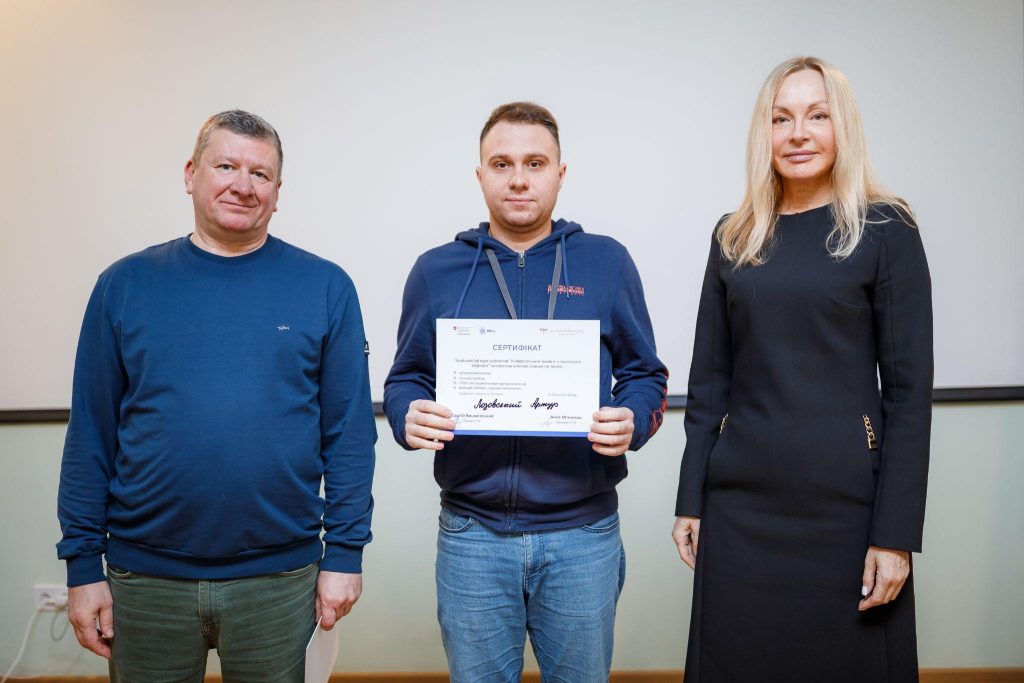
Upon completing the training, each participant received an official certificate and a workbook containing practical guidance on applying support procedures.
— 15